Many people look for ways to make their period come faster, especially when a delay creates anxiety or disrupts plans. While a few natural methods might support the body’s natural cycle, only medical treatment can reliably induce menstruation. This guide explains what may help, what actually works, and when professional care is important.
Delayed periods happen for many reasons. Stress, travel, sleep disruptions, weight changes, or underlying conditions like thyroid issues or PCOS can all influence hormone timing. Understanding what might be causing the delay often brings clarity, and makes it easier to choose the safest, most effective next step.
Why a Period Might Come Late
A late period does not always indicate a serious issue. Cycles vary from month to month, and several everyday factors influence timing. Stress is one of the biggest contributors. High cortisol interferes with the brain’s signals to the ovaries. Significant weight loss or gain can shift estrogen levels. Excessive exercise, thyroid disorders, and PCOS may delay ovulation. Stopping hormonal birth control can also temporarily disrupt regular flow. Even travel or illness can shift cycle timing. Recognizing these triggers helps someone understand what’s happening in their body and which strategies may be helpful.
Can a Period Be Made to Come Faster?
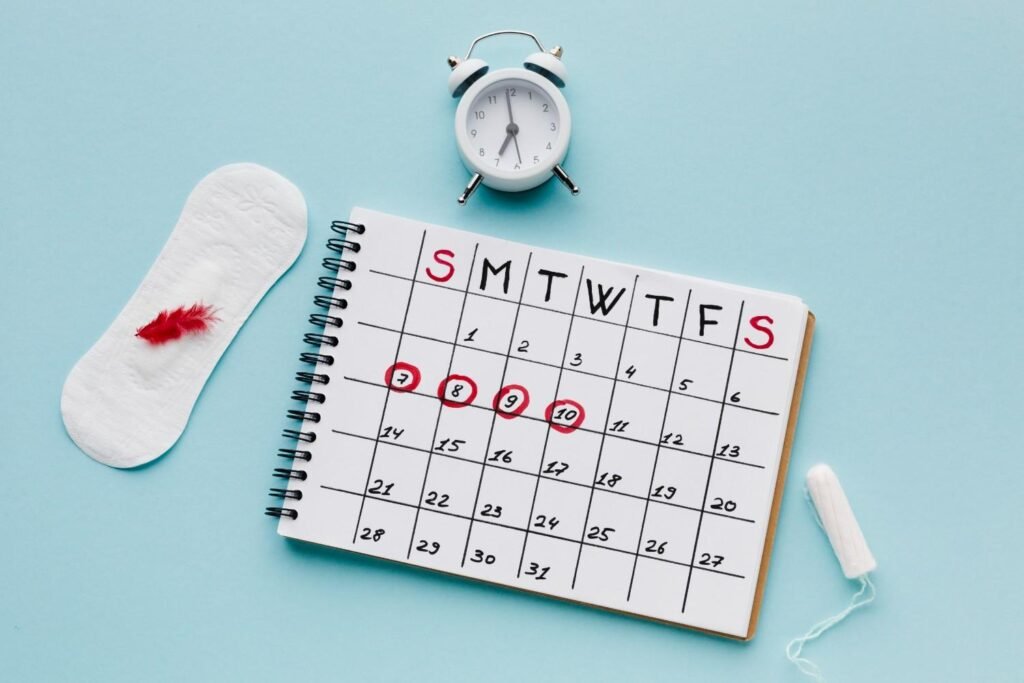
Many people look for simple ways to bring on a late period, especially when stress, travel, or routine changes throw the cycle off track. Natural methods can sometimes encourage the body to settle back into its rhythm, but they work best as gentle support, not as guaranteed solutions. When someone needs a reliable way to start their period, only a healthcare provider can offer medical treatments that are proven to work.
Natural Methods That May Help
Moderate Exercise
Gentle movement encourages circulation in the pelvic region. Light yoga, stretching, or a slow walk may ease tension and support hormonal balance. Strenuous exercise, however, may prolong a delay.
Stress Reduction
Stress often disrupts the menstrual cycle. Techniques such as deep breathing, meditation, journaling, or even a warm bath can lower cortisol. When stress settles, the menstrual cycle sometimes resumes more predictably.
Heat Therapy
Warmth relaxes abdominal muscles and increases blood flow. Heating pads, warm compresses, or a warm bath are simple methods that many people find soothing while waiting for their period.
Dietary Approaches
Certain foods are frequently recommended in traditional wellness practices:
- Vitamin C–rich fruits such as oranges, lemons, and kiwis
- Ginger and turmeric
- Parsley or cinnamon in culinary amounts
- Raw papaya, which contains papain, a compound believed to support uterine activity
These foods may influence hormonal balance, but they should be eaten in normal dietary quantities. Very large doses of herbs or supplements can be unsafe.
Medical Options That Are Reliable

When natural methods don’t seem to help, it can be frustrating to keep waiting. In those situations, medical treatments offer far more predictable results. They provide a clear, reliable path when timing really matters.
Hormonal Birth Control
Combination birth control pills regulate cycles and make timing more predictable. Some regimens even allow planning a period around personal schedules.
Progesterone Pills
A short course of progesterone, typically 5 to 10 days, can trigger withdrawal bleeding once stopped. Doctors commonly prescribe this method to bring on a delayed period.
Comparison of Natural and Medical Approaches
This table outlines how natural and medical options differ in effectiveness, speed, and purpose.
| Approach Type | Examples | Reliability | When It’s Helpful | Notes |
| Natural Support | Stress reduction, light exercise, heat therapy, papaya, ginger, vitamin C foods | Unreliable | Mild delays caused by lifestyle factors | Helps the body return to balance, but not guaranteed |
| Medical Treatment | Progesterone pills, hormonal birth control | Reliable | When a predictable or medically necessary result is needed | Requires a prescription and evaluation |
| Root Cause Treatment | Thyroid therapy, PCOS management, nutrition improvements, and sleep regulation | Reliable (long-term) | When an underlying health condition affects cycles | Helps normalize cycles over time |
What Not to Try

It’s easy to get swept up in the internet’s quick fixes when a period is running late. But many of the so-called “hacks” people try, like chugging high-dose vitamin C or drinking strong herbal brews, don’t actually work and can leave someone feeling worse. Some remedies, like large amounts of parsley tea, can even be harmful. And using emergency contraception to force a period is never safe; it’s meant strictly for pregnancy prevention, not cycle control. Sticking to safe, evidence-backed methods is the only way to support menstrual health without putting the body under unnecessary strain.
When Medical Care Is Necessary
A delayed period often resolves on its own, but certain situations call for a medical visit:
- A delay longer than two weeks
- Ongoing pelvic pain or unusual discharge
- Highly irregular cycles that continue for several months
- Symptoms suggesting PCOS or thyroid imbalance
- Recent major weight changes
- Possible pregnancy
Doctors can perform hormone testing, pelvic ultrasounds, and other evaluations to determine the cause. Identifying and treating the root issue brings more lasting results than trying to force a period early.
Long-Term Ways to Maintain Regular Cycles
Supporting a regular cycle starts with daily habits. Consistent sleep, balanced meals that include healthy fats and leafy greens, and moderate exercise all encourage hormonal stability. Avoiding extreme dieting or abrupt lifestyle changes also reduces cycle disturbances. Period-tracking apps help detect patterns, making it easier to spot early signs of irregularity. These practices not only help with a single delayed cycle but also support menstrual health long-term.
Frequently Asked Questions
Home methods may help the body relax and settle into its natural rhythm, but none guarantee bleeding. Only medications prescribed by a healthcare provider reliably bring on a period.
Does vitamin C help start a period?
While vitamin C foods support general reproductive health, high-dose supplements do not induce menstruation and can cause digestive problems. Food sources are the safest option.
How long is a delayed period normal?
A few days of delay are common. A delay of more than two weeks or repeated irregular cycles should be assessed by a healthcare provider.
Does papaya really help?
Papaya is used in traditional wellness practices and may support uterine activity, but evidence is mostly anecdotal. It can be included as part of a healthy diet.
Is it normal to have irregular cycles after stopping birth control?
Yes. Hormones may take several weeks or months to stabilize. Temporary irregularity is common during this adjustment period.
Final Thoughts
Understanding how to make the period come faster begins with understanding why the delay occurred. Natural methods may offer gentle support, while medical treatment remains the only reliable way to trigger menstruation. Paying attention to stress levels, nutrition, sleep, and overall hormone health often provides more consistent cycles over time. When delays become frequent or concerning, professional care is the safest and most effective step.