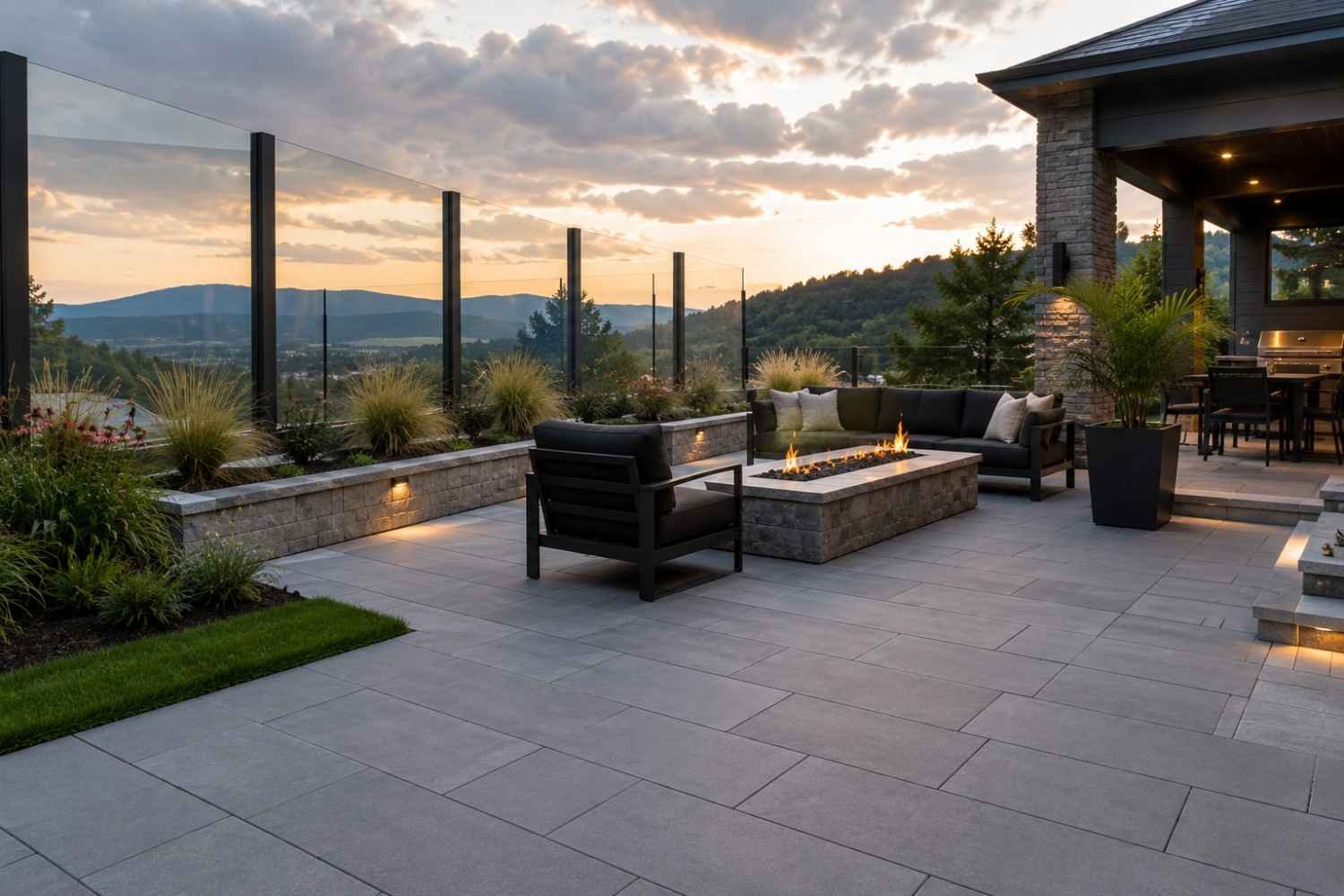
Outdoor spaces are essential components of modern living, offering areas for relaxation, socialising, and connecting with nature. However, when designing these areas, various environmental factors must be considered to ensure longevity and user comfort. One such challenge is managing the effects of wind, which can disrupt the usability of outdoor spaces and accelerate wear and tear. To address this, integrating a wind proof paving system is an effective solution that enhances both functionality and durability.
Understanding the Impact of Wind on Outdoor Areas
Wind can have a significant impact on outdoor spaces. It can cause discomfort for users, disrupt seating arrangements, and scatter debris across surfaces. More critically, persistent wind pressure can weaken the structural integrity of paving installations, leading to uneven surfaces and increased maintenance costs. Designers and homeowners alike must consider mitigation strategies to protect outdoor pavements and maintain aesthetic appeal.
The Concept of Wind Proof Paving Systems
A wind proof paving system refers to a specialised installation approach that minimises the effects of wind on paved surfaces. This system involves the use of interlocking components and adjustable supports that provide a stable and resilient surface capable of resisting wind-induced displacement. By doing so, these systems improve safety, reduce maintenance, and extend the lifespan of the paving area.
Components of a Wind Proof Paving System
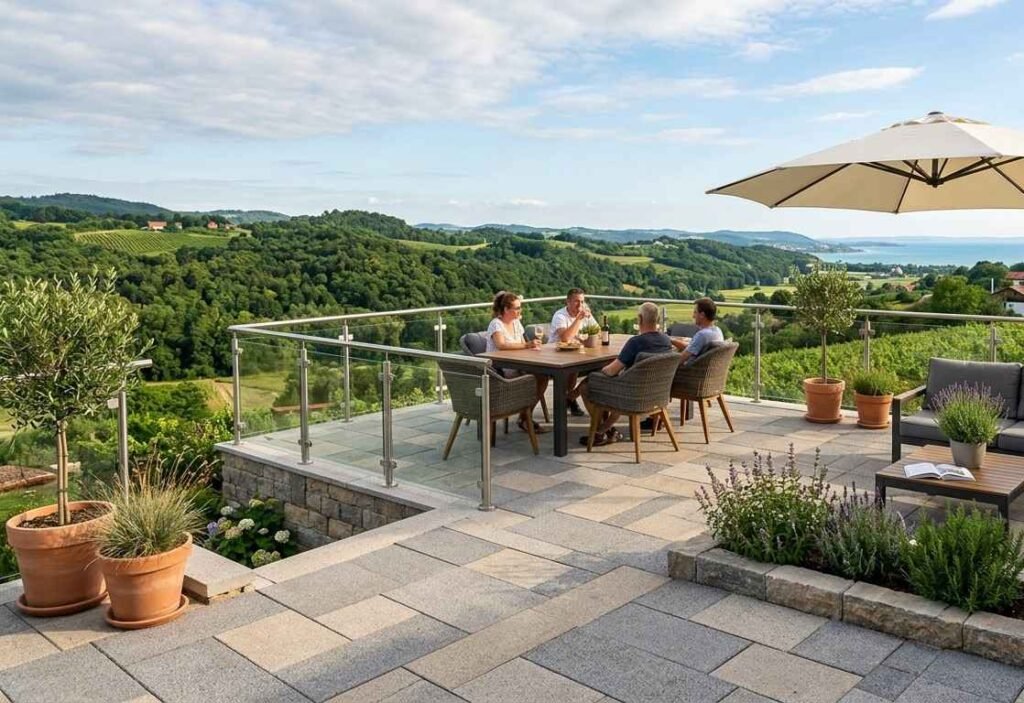
Typically, a wind proof paving system consists of adjustable pedestals, support brackets, and interlocking tiles or pavers. The adjustable pedestals elevate the paving surface, allowing for better water drainage and ventilation while also enabling precise height control for uneven substrates. The support brackets secure the tiles firmly, preventing movement even under strong wind conditions.
Advantages of Installing a Wind Proof Paving System
Implementing a wind proof paving system presents numerous benefits. First and foremost, it significantly improves stability and resistance to wind damage. With enhanced stability, the risk of accidents caused by loose or uneven tiles is reduced. Additionally, the elevated structure beneath the paving allows for better moisture management, reducing the risk of water pooling and associated damage.
Another advantage is the system’s versatility. It can be adapted for various surfaces, including rooftops, balconies, patios, and decking areas. This versatility makes wind proof paving systems an ideal choice for both residential and commercial outdoor spaces. The ease of installation and maintenance also contributes to reduced long-term costs associated with repairs and replacements.
Applications in Different Environments
Urban environments, characterised by high wind tunnels between buildings, benefit greatly from wind proof paving systems. These systems enhance the safety and comfort of rooftop terraces and balconies by minimising wind impact. Similarly, coastal locations exposed to strong, persistent winds require paving solutions that can withstand these harsh conditions without degradation.
Furthermore, commercial venues such as outdoor dining areas or event spaces demand reliable paving solutions that maintain appearance and function despite exposure to environmental factors. Wind proof paving systems provide the necessary robustness and aesthetic flexibility for such applications.
Material Considerations for Wind Proof Systems
The effectiveness of a wind proof paving system also depends on the choice of materials for the tiles or pavers. High-density concrete, natural stone, and composite materials are common selections due to their durability and resistance to weathering. These materials work in conjunction with adjustable pedestals to create a secure and long-lasting surface.
Installation Process and Best Practices
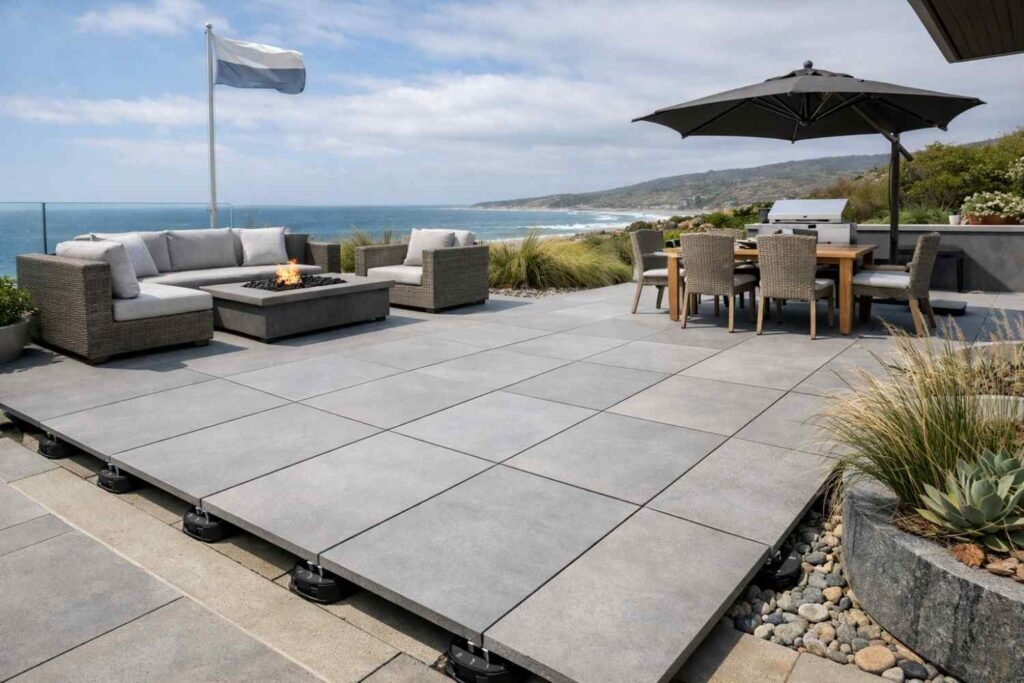
Proper installation is crucial to the performance of a wind proof paving system. It begins with a thorough assessment of the substrate to identify any unevenness or drainage issues. Following assessment, the adjustable pedestals are positioned and calibrated to create a level paving surface. Tiles or pavers are then laid and secured to the pedestals using the designed locking mechanisms.
Experts recommend professional installation to ensure system integrity and optimal performance. Additionally, regular inspections and maintenance are advisable to identify potential issues early and address them promptly.
Cost Implications and Value Over Time
While the initial cost of installing a wind proof paving system may be higher than traditional methods, the long-term benefits often justify the investment. The durability and reduced maintenance requirements translate into lower lifetime expenses. Property owners can expect enhanced property value and greater enjoyment of their outdoor spaces.
Environmental and Safety Benefits
Elevated paving systems contribute to environmental sustainability by facilitating natural water drainage and reducing heat retention on surfaces. Moreover, stabilised paving reduces hazards linked to displaced or broken tiles, improving safety for users. In public and commercial settings, these factors are particularly important.
Conclusion
Incorporating a wind proof paving system offers practical solutions for enhancing outdoor spaces exposed to challenging wind conditions. From improved durability and safety to aesthetic flexibility and environmental benefits, these systems are well-suited to meet the demands of modern outdoor design.
Whether for residential or commercial applications, investing in wind proof paving ensures a stable, attractive, and long-lasting outdoor environment. Understanding chat rock and the real value of landscape materials can also help property owners choose cost-effective, durable aggregates that complement wind-resistant paving systems while enhancing overall landscape performance and appearance.