As we age, our immune system naturally weakens, making it more important than ever to focus on the foods that can keep us strong and resilient. In 2026, it’s time to adjust our eating habits and fuel our bodies with the nutrients they need to fight off infections and stay healthy. But what exactly does a diet for seniors immune health look like?
I’ve learned that maintaining a healthy immune system isn’t about drastic changes or relying on expensive supplements. It’s about integrating simple, nutrient-packed foods into your daily routine—foods that support your immune system and overall well-being. Here’s how to build a senior-friendly immune-boosting diet you can actually stick to.
What Foods Should Seniors Eat to Boost Immunity?
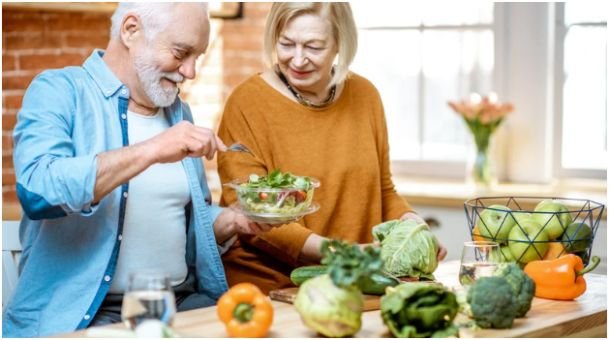
When I first started focusing on immune health, I quickly realized that it wasn’t just about adding one “superfood” to my plate. Instead, it’s about a combination of nutrients that work together to strengthen your body’s defenses. Here are the key nutrients and foods seniors should focus on:
Vitamin C: Your Immunity Boosting Ally
Vitamin C is a powerhouse when it comes to immune support. It helps stimulate the production of white blood cells, which are your body’s first line of defense against illness. To get a solid dose of this vital vitamin, I make sure to add citrus fruits like oranges and grapefruits to my day, along with strawberries and red bell peppers. You can even toss some broccoli into your meals for an extra hit.
Vitamin D: The Sunshine Vitamin
Vitamin D is essential not only for immune function but also for bone health, which is particularly important for seniors. I try to get a little bit of sunshine each day (about 15 minutes) but also enjoy fatty fish like salmon and fortified milk to top up my Vitamin D levels. If you don’t get enough sunlight or live in a place with long winters, supplements are often recommended.
Zinc: A Must-Have for Wound Healing
Zinc plays a major role in immune cell development and repair. I love incorporating zinc-rich foods like oysters, beef, beans, and pumpkin seeds into my diet. I’ve found that just adding a small handful of seeds to my salad or yogurt is an easy way to boost my zinc intake.
How Can Gut Health Support Immune Function?
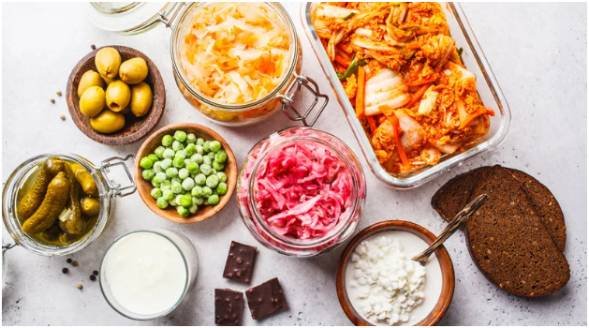
You might be surprised to hear that a large portion of our immune system resides in our gut. Keeping your gut healthy can significantly improve your immune function, which is why I pay extra attention to foods that nurture my microbiome.
Probiotics: The Friendly Bacteria
Probiotics are live bacteria that help keep your gut balanced. Fermented foods like yogurt with live cultures, kefir, and sauerkraut are my go-to sources of probiotics. They help maintain a healthy gut flora, which is essential for proper immune function.
Prebiotics: The Fuel for Good Bacteria
While probiotics provide the beneficial bacteria, prebiotics are the foods that feed them. I make sure to include plenty of fiber-rich foods like garlic, onions, whole grains, and leafy greens in my meals. These foods encourage the growth of the good bacteria in my gut, giving my immune system an extra boost.
What Daily Habits Should Seniors Adopt for Immune Health?

It’s not just the food that makes a difference; it’s also about the daily habits we build into our routine. Here are a few lifestyle changes that have worked wonders for me:
Stay Hydrated: Drink More Water
As we age, our sense of thirst diminishes, so I’ve made it a priority to drink at least 6–8 glasses of water every day. Staying hydrated helps flush out toxins and keeps my cells functioning at their best. I also sip on herbal teas and broth to mix it up and stay hydrated in a way that’s easy on my stomach.
Incorporate Spices for Extra Immune Support
One simple way I’ve upped my immune-boosting game is by using natural spices like garlic, ginger, and turmeric. I add fresh garlic to stir-fries, toss ginger into my smoothies, and sprinkle turmeric on roasted vegetables. Not only do they add flavor, but they also come packed with anti-inflammatory properties that support immune health.
Social Meals: Enjoy Food With Others
Eating with family or friends has its own set of health benefits. Social mealtimes help me maintain a healthy appetite and improve my mental well-being, which in turn positively impacts my physical health. Sharing a meal also brings joy and a sense of connection, which is essential for overall well-being.
How Can I Create a Senior-Friendly Immune-Boosting Meal Plan?

Creating a meal plan doesn’t have to be complicated. I like to focus on simplicity and variety while making sure I’m getting all the essential nutrients. Here’s a basic meal structure that I follow:
Breakfast
I start the day with a high-protein breakfast to keep me full and energized. A bowl of oatmeal with chia seeds, topped with berries and a dollop of Greek yogurt, is my favorite go-to. I make sure to add a side of citrus fruit for a quick Vitamin C boost.
Lunch
For lunch, I typically enjoy a leafy green salad with grilled chicken or salmon, avocado, and a handful of pumpkin seeds. I dress it with olive oil and lemon juice for some healthy fats and extra Vitamin C. You can easily swap out the protein for plant-based options like chickpeas if you prefer.
Dinner
Dinner usually includes a portion of fatty fish like salmon or a plant-based protein like lentils. I pair it with roasted vegetables such as sweet potatoes and broccoli for fiber and vitamins. I finish the meal with a glass of fortified milk for some Vitamin D.
FAQ: Common Questions About Immune Health for Seniors
1. Can I Get Enough Vitamin D Without Supplements?
It’s tough to get enough Vitamin D through food alone, especially as we age. While fatty fish and fortified foods like milk help, I find that moderate sun exposure is key. If you’re in a location with limited sunlight, a supplement might be a good idea—just consult with your doctor first.
2. How Much Protein Do I Need?
As a senior, your protein needs may increase to help maintain muscle mass. I aim for about 1–1.2 grams of protein per kilogram of body weight each day. For me, this means adding protein-rich foods like eggs, beans, and lean meats into each meal.
3. Are Probiotics Really That Important for Seniors?
Yes! Probiotics help maintain a healthy gut microbiome, which is directly linked to immune function. I’ve found that including fermented foods like yogurt and kefir in my diet regularly has made a noticeable difference in my digestion and overall health.
Time to Take Charge of Your Immunity!
Now that you know how to boost your immune health through diet and lifestyle, it’s time to get started! The key is consistency—incorporating nutrient-rich foods and good habits into your daily routine can make all the difference in staying healthy as you age.
Remember, small changes add up over time. So, try adding a little more Vitamin C, a handful of nuts for Vitamin E, or some extra fiber into your meals. Your immune system—and overall well-being—will thank you for it!