Retirement should be the time you’ve worked for, where you get to enjoy life, travel, and spend time with loved ones. But, to make that dream a reality, retirement income planning is key. I’ve been diving into ways to ensure a comfortable retirement without stressing over money. Here’s what I’ve learned and what’s worked for me in building a sustainable, manageable retirement income plan.
Why Is Retirement Income Planning So Important?

When I first thought about retirement, I had this vague idea that my savings would just get me by. But soon enough, I realized that without a structured plan, my savings could dwindle quicker than I expected. You don’t want to be stuck wondering how to make your nest egg last for 30 years or more.
The main idea behind retirement income planning is shifting from the accumulation phase (where you’re saving money) to the decumulation phase (where you’re using that money to fund your lifestyle). A solid plan ensures your money works for you throughout retirement, providing a steady stream of income.
How Do You Begin With Retirement Income Planning?

If you’re like me, you probably want to know where to start. Here’s a step-by-step guide that helped me kickstart my own plan:
- Assess Your Current Financial Situation
Look at how much you’ve saved, your current income, debts, and expected future expenses. Knowing where you stand is the first step in building a plan that works. - Estimate Your Retirement Expenses
Think about your lifestyle after retirement. Will you travel? Do you want to spend more on hobbies or healthcare? I started by estimating how much I’d need for monthly living expenses, healthcare, and fun. - Calculate Your Income Gap
Take the total estimated expenses and subtract guaranteed income sources like Social Security or a pension. The difference is the income gap, which you’ll need to fill using your savings. - Build a Diversified Income Plan
This is where it gets interesting. I found that relying solely on one income source wasn’t ideal. I started thinking about multiple income streams—Social Security, pensions, dividends, interest from investments, rental income, and even a small side business.
What Strategies Can You Use to Maximize Retirement Income?
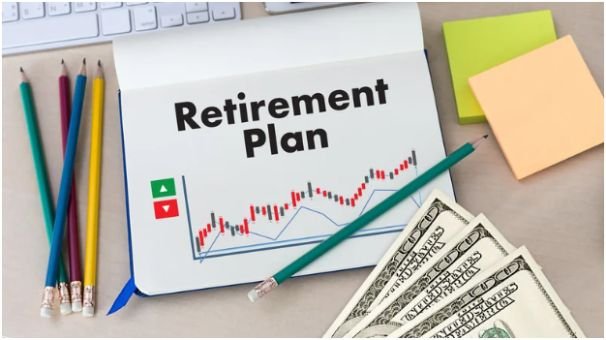
Here’s where I really started to take control of my retirement finances. I wanted to make sure my money wasn’t just sitting there—it needed to grow, even in retirement. These strategies helped me maximize my income while keeping things manageable:
1. The Bucket Strategy
This method splits your retirement savings into three “buckets”:
- Bucket 1 (1-2 years): This bucket is for immediate expenses, so it should hold cash and low-risk investments. I made sure I had enough here to avoid selling stocks during a market downturn.
- Bucket 2 (3-10 years): For mid-term needs, this bucket holds more conservative investments like bonds or CDs. I’ve found this balances safety and growth.
- Bucket 3 (10+ years): This is the growth bucket. I placed more aggressive investments here, like stocks. These assets have more time to grow and weather any short-term volatility.
2. The 4% Rule
The 4% rule suggests that you can withdraw 4% of your retirement savings each year without running out of money. While it’s a good guideline, I found that I need to be flexible with it, especially when markets are volatile or if my spending needs change.
3. Consider Tax Strategies
Tax planning is just as important as spending planning. I used tax-deferred accounts like 401(k)s and IRAs, but I also made sure to balance my withdrawals between taxable and tax-free accounts (like Roth IRAs). Minimizing taxes now can help stretch your retirement dollars longer.
How Can You Minimize Taxes During Retirement?

I learned early on that minimizing taxes in retirement is crucial. Here are the strategies that helped me reduce my tax burden:
1. Maximize Pre-Tax Contributions
If you’re still working, try to contribute as much as possible to tax-deferred accounts like a 401(k). This reduces your taxable income now and can leave you with more to work with in retirement.
2. Use Roth Conversions Strategically
Converting some of my traditional IRA funds to a Roth IRA in low-income years allowed me to avoid future taxes on that money. Yes, it’s a taxable event now, but future withdrawals from the Roth are tax-free, which can be a big win in the long run.
3. Consider Health Savings Accounts (HSAs)
I started putting money into an HSA. Not only does it grow tax-free, but withdrawals for medical expenses are also tax-free. Given how expensive healthcare can be in retirement, I highly recommend using this strategy if you qualify.
Common Retirement Income Planning Questions
Q1: How much should I save for retirement?
This depends on your lifestyle and expenses. I suggest aiming for at least 15% of your income saved each year if possible. A good goal is to save enough to cover 80% of your pre-retirement income.
Q2: How do I ensure my money lasts through retirement?
The key is to diversify your income streams and not rely on just one source. Use a combination of Social Security, pensions, investments, and even rental income if you can. The more diverse your sources, the better.
Q3: Can I still make money after retirement?
Absolutely! I’m focusing on creating passive income streams—rental properties, investments, and side businesses. Retirement doesn’t have to mean stopping work entirely; it just means doing it on your own terms.
Don’t Let Retirement Be a Financial Struggle
Retirement is the time to enjoy life, not stress over money. With the right retirement income planning, you can set yourself up for financial freedom and peace of mind. Start with a solid strategy, diversify your income streams, and always plan ahead for the unexpected.
My best advice? Don’t wait. The sooner you start planning, the more comfortable your retirement will be. And remember, retirement planning isn’t about perfection—it’s about making steady, smart choices that work for you.