I never thought much about my balance until one fateful trip over an uneven sidewalk. Suddenly, the idea of old age balance exercises seemed like something I should have been doing all along.
As we age, our balance can weaken, and this can lead to falls or injuries. But here’s the good news, balance exercises for older adults are simple, effective, and incredibly important for staying independent and active. Trust me, it’s never too late to start improving your balance, and you don’t need a gym membership to begin. In fact, you can start right at home!
You will learn about the best exercises to improve your balance and keep you feeling confident, steady, and ready for whatever the day brings. So let’s dive in and discover how you can maintain your balance as you age!
Why Is Balance So Important as We Age?
Improving balance as you age is critical for preventing falls and maintaining independence. As we get older, we naturally lose some of our muscle mass and flexibility, both of which are key factors in balance. But don’t worry, old age balance exercises can help reverse this decline and even enhance your ability to move safely.
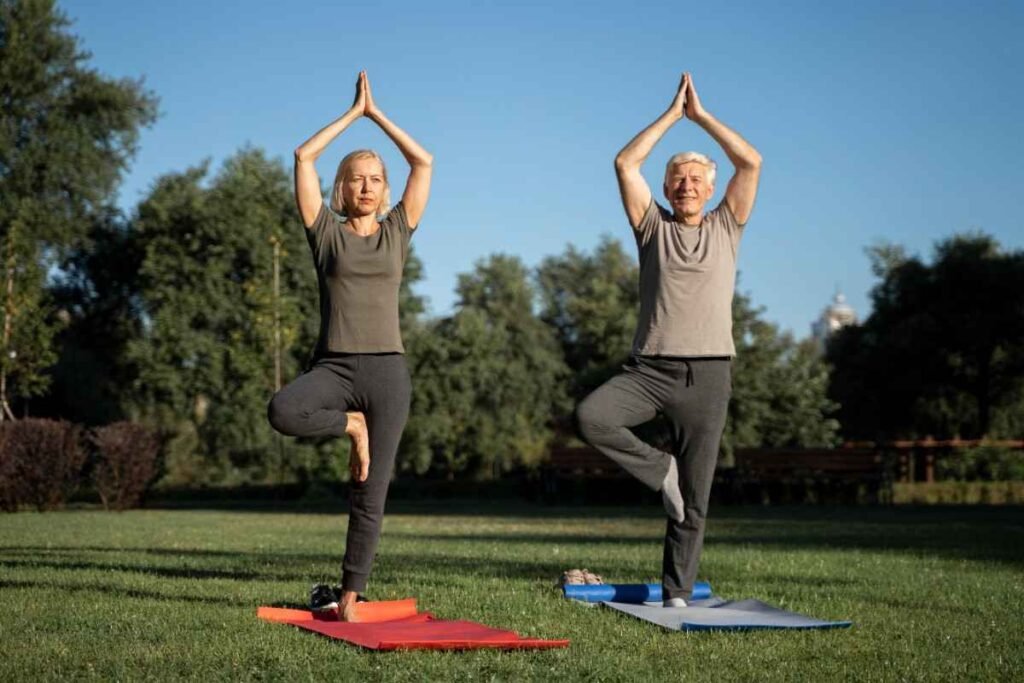
1. Prevents Falls: As we age, our risk of falling increases. Balance exercises help strengthen the muscles and improve coordination reducing the risk of falls.
2. Boosts Independence: With better balance, everyday tasks like getting up from a chair, walking to the kitchen, or climbing stairs become easier, allowing you to maintain your independence.
3. Improves Confidence: The more you practice balance exercises, the more confident you’ll feel in your ability to move around. This mental shift can do wonders for your overall quality of life.
Essential Old Age Balance Exercises You Can Do at Home
Let’s look at some of the best old age balance exercises to improve steadiness as you age:
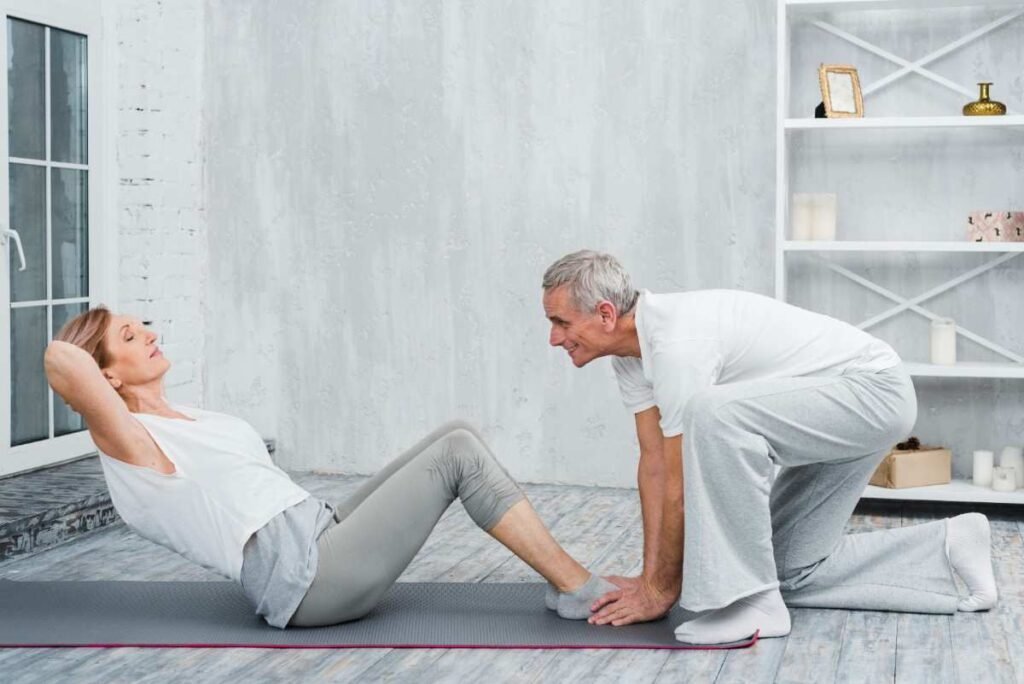
Single-Leg Balance
How It Works: This exercise helps strengthen your core and leg muscles, crucial for stability.
How to Do It: Stand behind a sturdy chair for support. Lift one foot off the ground and balance on the other for 10-30 seconds. Switch to the other leg. Repeat 3 times per leg.
Heel-to-Toe Walk (Tandem Walk)
How It Works: This exercise mimics walking in a straight line which helps improve coordination and stability.
How to Do It: Stand tall and take steps forward, placing the heel of one foot directly in front of the toes of the other. Walk 10-20 steps in a straight line. Focus on a fixed point ahead to stay steady.
Sit-to-Stand
How It Works: This exercise builds leg strength which is essential for maintaining balance and independence.
How to Do It: Sit in a sturdy chair with your feet flat on the floor. Lean slightly forward, then stand up without using your hands for support. Sit back down slowly and repeat 10 times.
Rock the Boat
How It Works: This fun exercise engages your core while improving stability and balance.
How to Do It: Stand with your feet hip-width apart and arms extended to the sides. Slowly shift your weight to one side, lifting the opposite foot off the ground. Hold for 10-30 seconds, then switch sides.
Flamingo Stand
How It Works: This is a great exercise to improve your leg and core strength while working on balance.
How to Do It: Stand on one leg while extending the other leg slightly forward or back. For added difficulty, reach toward your extended foot with the opposite hand. Hold for 10-30 seconds, then switch legs.
Side Leg Raises
How It Works: Side leg raises target the hip muscles and help improve stability.
How to Do It: Hold onto a sturdy chair for balance. Slowly lift one leg out to the side, keeping it straight and toes pointed forward. Hold for 5 seconds, then lower it slowly. Repeat 10 times per leg.
Clock Reach
How It Works: This exercise challenges your balance while improving flexibility and coordination.
How to Do It: Stand in the center of an imaginary clock. While balancing on one leg, use your arm or other leg to reach toward 12, 3, 6, and 9 o’clock. This will help you improve both your balance and reach.
How to Safely Perform Balance Exercises
To make sure you’re getting the most out of your old age balance exercises, here are some tips to help you stay safe and effective:
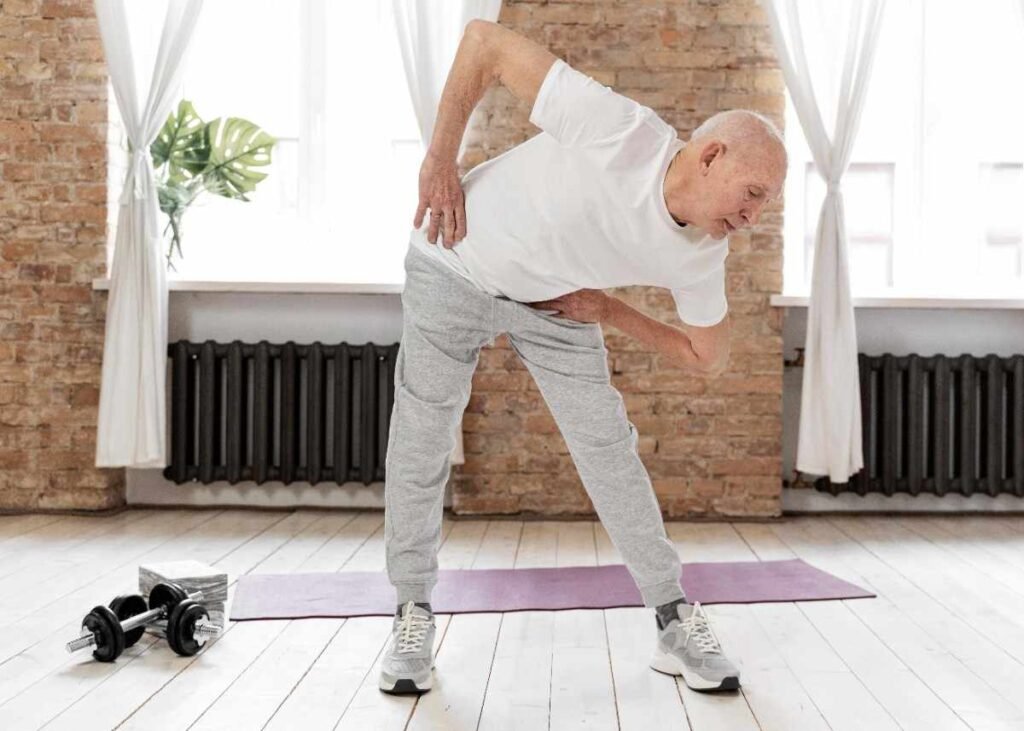
1. Use Support: Always have a sturdy chair or countertop nearby for support if needed. As your balance improves, you can gradually reduce the amount of support you rely on.
2. Start Slow: Don’t push yourself too hard at first. Start with easier exercises and work your way up as you gain strength and confidence.
3. Listen to Your Body: If you feel any pain, dizziness, or discomfort, stop immediately and rest. It’s important to avoid overexertion.
4. Wear Proper Footwear: Wear shoes with good grip to prevent slipping. Avoid doing exercises on slippery surfaces or in socks alone.
5. Stay Consistent: Practice balance exercises at least 3 times a week. Consistency is key to seeing real improvements over time.
Frequently Asked Questions
Q1. How often should seniors do balance exercises?
It’s recommended that seniors practice balance exercises at least 2-3 times a week. However, even a daily 5-10 minute session can greatly improve balance over time. Start with simple exercises and increase the duration and intensity as you feel more comfortable.
Q2. Can old age balance exercises prevent falls in older adults?
Yes, balance exercises can significantly reduce the risk of falls. Strengthening the muscles used for balance, improving coordination, and boosting confidence all help to prevent falls and maintain safety while walking or standing.
Q3. Are balance exercises safe for people with limited mobility?
Yes, balance exercises can be adapted for those with limited mobility. Seated exercises, like chair yoga or seated leg lifts, are excellent alternatives. Always consult a doctor or physical therapist before beginning any new exercise routine to ensure it’s safe for your specific health condition.
Q4. What should I do if I feel unsteady during balance exercises?
If you feel unsteady, take a break and use a chair or wall for support. It’s important to pace yourself and perform exercises at a level you’re comfortable with. As your strength and confidence build, you’ll notice improvements in your balance over time.
Stay Steady, Stay Strong
Improving your balance doesn’t require fancy equipment or complicated routines just a little bit of time, consistency, and effort. With these simple old age balance exercises, you can feel stronger, more confident, and safer in your daily movements. So, why wait? Start practicing today, and take the first step toward a steadier, healthier tomorrow!
Remember, balance is not just about preventing falls; it’s about staying active, independent, and in control of your life. You’ve got this—step by step, day by day, you’ll improve your balance and feel more confident in every move you make.