Smart home technology for seniors has transformed the way older adults age in place, making homes safer, easier to navigate, and more connected to caregivers. After seeing my own loved ones juggle daily tasks and safety concerns, I learned how even a few well-chosen smart devices can dramatically improve independence and peace of mind—without overwhelming the user.
This guide breaks down the best smart technologies for seniors, how they work, which categories matter most, and how families can introduce them smoothly.
What Is Smart Home Technology for Seniors?
Smart home technology for seniors includes voice-controlled devices, automated home systems, fall detection tools, safety alarms, communication hubs, and health-monitoring equipment that work together to help older adults live independently. These devices reduce risks like falls and fire hazards, simplify daily routines, and keep seniors connected to family and caregivers.
Top competitor blogs emphasize three themes: safety, independence, and connectivity—the same pillars we’ll cover here.
What Key Benefits Do Smart Home Devices Provide for Seniors?
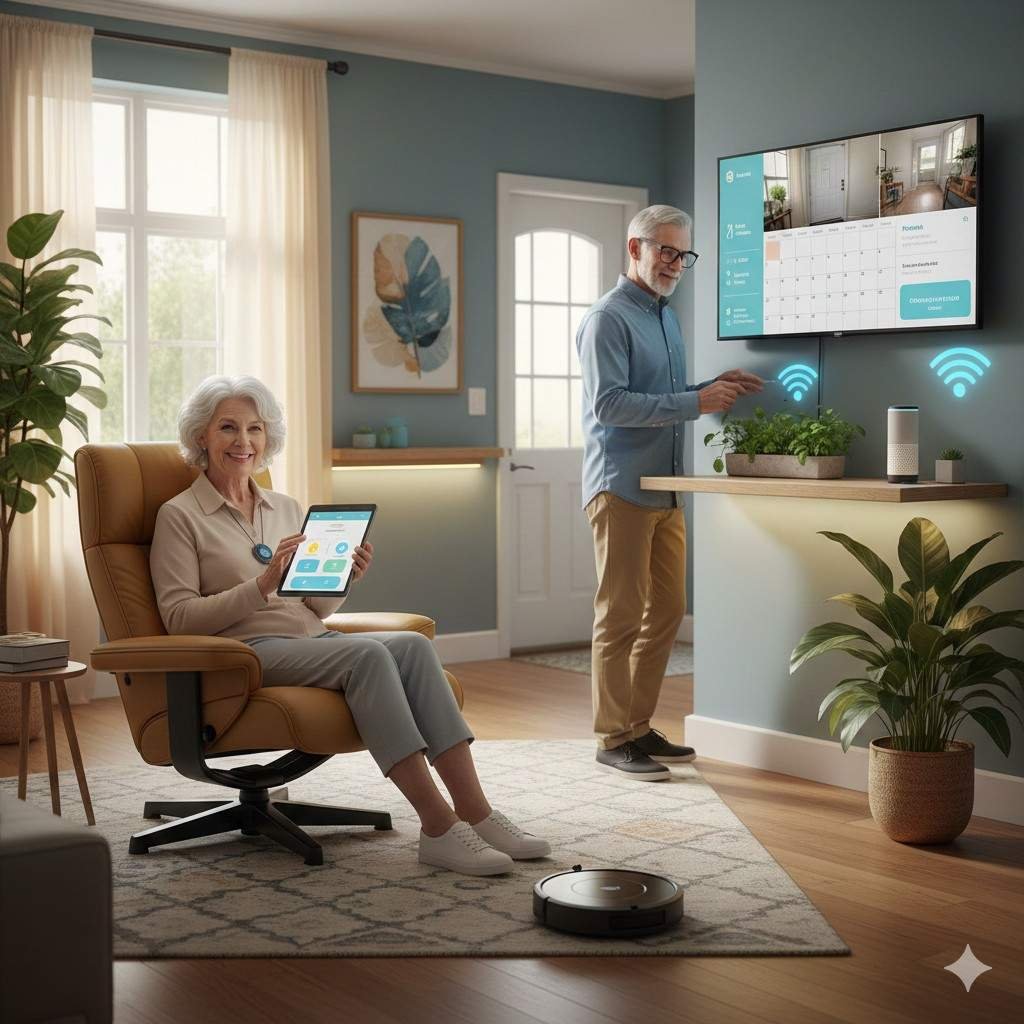
1. Enhanced Safety & Security
Safety is the leading reason families explore smart home tech. Modern devices can detect emergencies and alert caregivers instantly, even when the senior cannot reach a phone.
Smart systems can:
- Detect falls, abnormal inactivity, or wandering
- Alert caregivers or emergency services
- Provide early warnings for smoke, gas leaks, or carbon monoxide
This creates a safety net that allows seniors to stay in their homes longer with fewer risks.
2. Increased Independence
Automation removes physical barriers. Seniors can turn on lights, lock doors, adjust thermostats, or make calls without getting up or using complicated interfaces.
This reduces reliance on family members and supports confidence in daily routines.
3. Improved Communication & Reduced Isolation
With simple, screen-based video calling and smart speakers, older adults can stay in touch more easily. This is especially helpful for seniors who struggle with smartphones.
4. Health & Wellness Monitoring
Wearables and smart sensors can track vital signs, movement, sleep, and medication timing—crucial for chronic condition management and early intervention.
5. Caregiver Peace of Mind
Caregivers receive real-time alerts, activity patterns, and updates, reducing stress and anxiety while allowing more flexibility.
Recommended Smart Home Technologies for Seniors (With Examples)
To match competitor blogs’ clarity, here is a concise table grouping top devices by need, plus popular examples:
Smart Home Device Categories for Seniors
| Category | Device Examples | What They Do |
| Safety & Security | Ring Video Doorbell 3, Smart Locks, Buddi GPS Fall Detector, Smart Smoke/CO Detectors | See/speak to visitors, prevent scams, lock/unlock doors remotely, detect falls or unusual movement, send emergency alerts |
| Health Management | Pivotell® Advance GSM Medication Dispenser, Biomedical Monitoring Devices (heart-rate sensors, BP cuffs, pulse oximeters) | Dispense medications on time, prevent double dosing, track vital signs, send data to caregivers or healthcare providers |
| Convenience & Support | Amazon Echo Spot, Google Nest, Smart Lighting, Smart Thermostats | Control devices by voice, automate lighting to prevent falls, manage indoor temperature, receive reminders, hands-free calling |
| Communication Tools | ESTA Smart 2-Way Video Calling Camera, Amazon Echo Show, Google Nest Hub | Enable simple video calls with large screens and minimal setup |
This combination mirrors top-ranking blog layouts and improves user clarity.
Which Smart Home Devices Offer the Greatest Value for Seniors?
1. Voice Assistants & Smart Speakers
Devices like Amazon Echo and Google Nest are beginner-friendly and offer:
- Medication and appointment reminders
- Hands-free calling
- Simple voice control for lights, TVs, and thermostats
- Music, news, and entertainment
They help reduce loneliness and simplify complex tasks.
2. Fall Detection & Motion Sensors
Tools such as the Buddi GPS Fall Detector and room motion sensors monitor activity and alert caregivers instantly if something seems wrong.
This is essential for seniors living alone.
3. Smart Locks & Video Doorbells
Aging adults no longer need to physically get up to answer the door or confirm who is outside.
Benefits include:
- Scam prevention
- Remote door control
- Safer interactions with service providers or delivery drivers
4. Health Monitoring Wearables
This is a major element missing from many blogs, but extremely important.
Devices may include:
- Smart blood-pressure monitors
- Heart-rate monitors
- Pulse oximeters
- Activity and sleep trackers
- Medical-grade wearables for chronic conditions
These help family and doctors detect problems quickly.
5. Smart Medication Dispensers
Tools like Pivotell® Advance GSM ensure doses are taken on time, lock between cycles, and send alerts if a dose is missed.
How Can Families Introduce Smart Home Technology Without Overwhelming Seniors?
Competitor content highlights adoption difficulty, so this section is crucial.
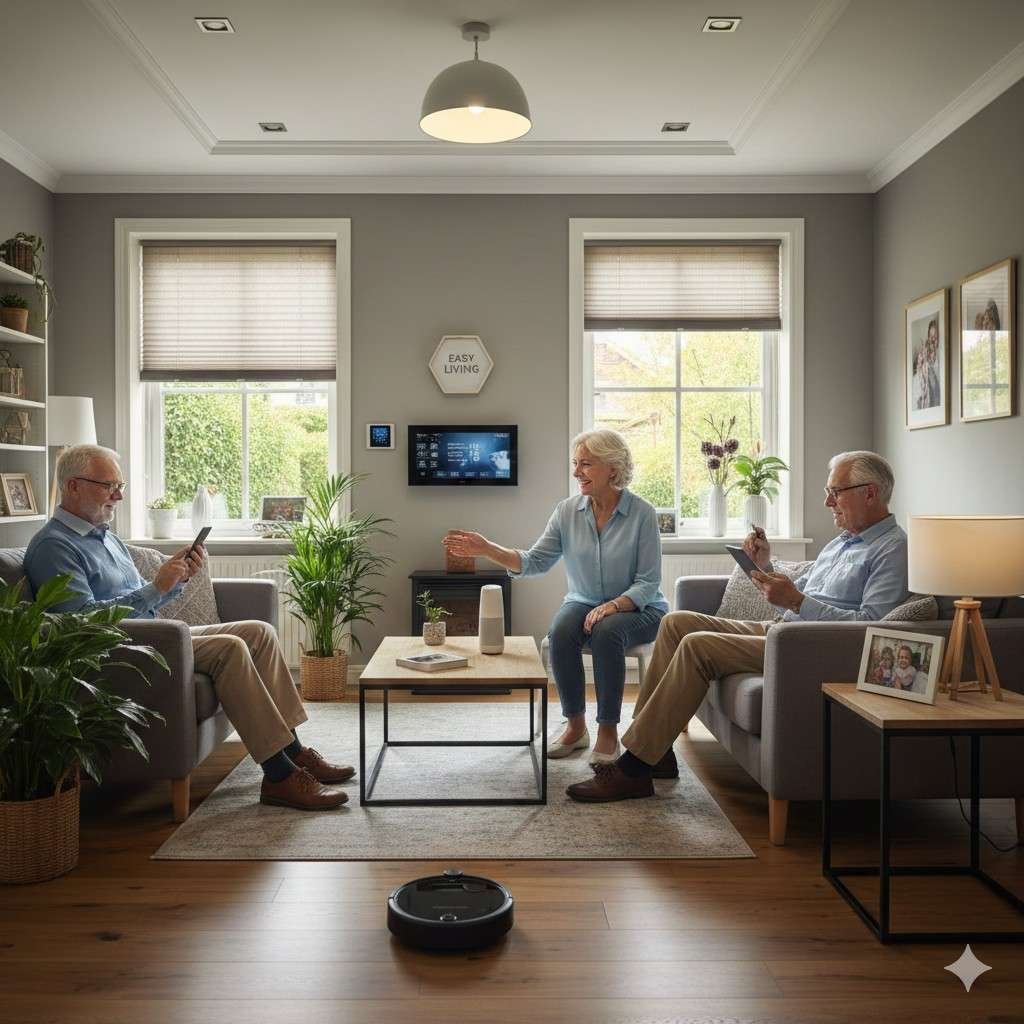
1. Start Small
Begin with one or two low-cost, high-impact devices—such as smart lights or a voice assistant.
2. Choose Easy Interfaces
Look for:
- Large text
- Voice control
- Simple buttons
- Clear visual cues
Complex apps can discourage use.
3. Seek Installation & Training Support
Family members, professional installers, or caregivers should:
- Set everything up
- Demonstrate usage
- Provide a simple “cheat sheet”
- Offer ongoing help
4. Ensure Device Compatibility
Choose devices within the same ecosystem (Alexa, Google Home, Apple Home) or universal protocols like Zigbee so everything works together smoothly.
Frequently Asked Questions
1. Are smart home devices safe for seniors who aren’t tech-savvy?
Yes—when kept simple. Voice assistants, automated lights, and smart locks remove complicated steps. Preprogramming routines and providing easy commands eliminate confusion.
2. How much does it cost to set up smart home technology for seniors?
A basic setup with lights, smart speakers, and locks may cost a few hundred dollars. More advanced systems—like fall detection wearables and monitored alarms—add subscription costs but are still far cheaper than assisted living alternatives.
3. Do smart home systems invade seniors’ privacy?
They can if not configured correctly. Use cameras only where appropriate, adjust permissions, set strong passwords, and ensure seniors understand what is monitored and why.
4. Can smart home technology replace a caregiver?
No. Tech enhances safety and independence but cannot provide emotional support, medical judgment, or hands-on help. It works best as a supplement—not a replacement.
Conclusion: Is Smart Home Technology for Seniors Worth It?
Smart home technology for seniors is one of the most effective ways to promote independence, safety, and comfort while reducing caregiver stress. With the right mix of tools—voice assistants, smart lighting, fall detection, medical monitors, and simple communication devices—older adults can enjoy safer daily living and a stronger sense of autonomy.
When chosen thoughtfully and introduced gradually, smart home solutions become a long-term investment in dignity, peace of mind, and aging in place.