I know that comfortable travel is rarely about doing less just for the sake of it. It is about doing the right amount, at the right pace, in a way that still feels enjoyable. The trips I remember most are not the ones packed with nonstop movement. They are the ones where each day felt manageable, calm, and actually fun from start to finish.
That is why I think How Seniors Can Travel Comfortably Without Overexertion starts with letting go of the idea that a good trip must be busy. A well-paced journey gives you more energy for the moments that matter. You notice more, enjoy more, and come home feeling better instead of needing days to recover.
Why Comfortable Travel Matters More Than a Busy Itinerary
A packed itinerary can look exciting on paper, but it often creates stress before the trip even begins. Long walking days, early departures, missed meals, and too many activities in a row can turn a pleasant getaway into something physically draining. Comfortable travel works better because it respects energy levels instead of fighting against them.
I always find that when travel feels lighter, everything improves. Mornings feel easier, transitions are smoother, and unexpected delays do not ruin the day. That kind of pacing creates more room for enjoyment, which is really the point of traveling in the first place.
How to Choose Destinations That Feel Easier to Enjoy
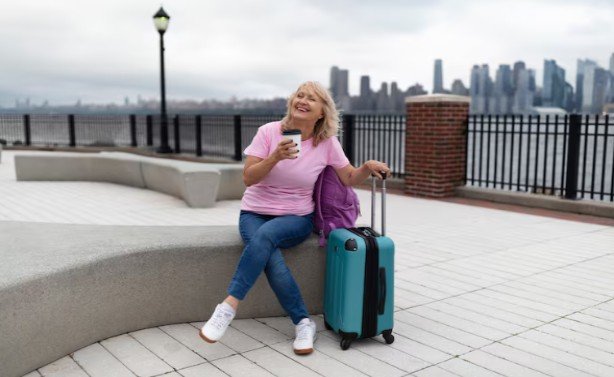
The best destination is often the one that matches your energy, not the one with the longest list of attractions. Places with shorter travel times, reliable transportation, mild weather, and easy access to food, restrooms, and seating usually make the trip far more pleasant. Walkable areas can be great, but only when they also offer plenty of places to stop and recharge.
I also think it helps to focus on one main experience per day. That could be a scenic drive, a museum visit, a relaxed lunch, or time near the water. Trips feel much more comfortable when the day has a clear rhythm instead of constant rushing from one stop to the next.
Booking Choices That Make Travel Less Tiring
Good travel decisions often begin before the trip starts. Direct flights, aisle seats, nearby hotel locations, ground-floor rooms, elevators, and luggage with smooth wheels can make a bigger difference than people expect. When the basic logistics feel easy, the entire trip feels lighter on the body.
I also recommend looking closely at the small details before booking. A hotel may look beautiful online but still have long hallways, steep entrances, or limited seating in common areas. Transportation options matter too. The less complicated it is to get from one place to another, the less tiring the full experience becomes.
How Seniors Can Travel Comfortably Without Overexertion With Better Daily Pacing
Pacing is where a comfortable trip is either protected or lost. I like to think of each day in blocks instead of cramming everything together. One outing in the morning, a proper break in the afternoon, and one easy evening activity usually feels much better than trying to fill every hour.
Rest should never feel like wasted time. A short sit-down after lunch, a slower start in the morning, or a quiet evening can help preserve energy for the next day. These simple habits are often part of low stress vacation ideas for older adults that make travel feel easier and more enjoyable. When the schedule has breathing room, travel becomes more sustainable and a lot more enjoyable.
What to Pack for a More Comfortable Trip
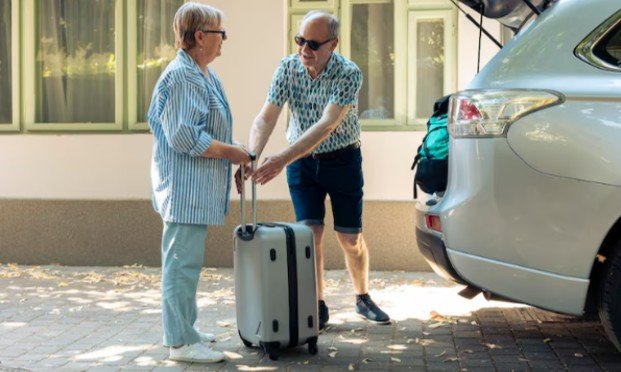
Packing for comfort is not about bringing more. It is about bringing what actually supports the body during movement and downtime. Comfortable shoes, light layers, refillable water bottles, medications in an easy-access bag, snacks, chargers, sunglasses, and a travel pillow can all reduce strain throughout the day.
I always think comfort items earn their place quickly. Compression socks on longer travel days, a small crossbody bag instead of a heavy tote, and clothing that works across different temperatures can help prevent the small annoyances that slowly drain energy.
How Food, Water, and Medication Help You Keep Your Energy Up
Energy can drop fast during a trip when meals are delayed, water intake structures, or medication routines get disrupted. Travel days often change the normal flow of eating and resting, which is why simple routines matter so much. Drinking water regularly, eating balanced meals, and keeping medications organized can make the day feel steadier.
I’ve noticed that travel feels much easier when the basics stay consistent. A comfortable breakfast, a snack before a long outing, and a clear plan for medication timing reduce the chance of the day unraveling. Small routines are often what hold a smooth trip together.
How Travel Companions Can Make the Trip Easier

A good travel companion understands that comfort is part of the plan, not an obstacle to it. That means being realistic about walking distances, avoiding last-minute schedule changes, and making space for breaks without making anyone feel guilty. The best trips happen when everyone respects the pace that keeps the day enjoyable.
Clear communication helps a lot here. It is easier to travel well when expectations are discussed early. When everyone knows the day will include breaks, simple meals, and manageable activity levels, the trip feels more supportive and less physically demanding.
How to Plan a Comfortable Trip Step by Step
I start by choosing a destination that does not require too many difficult transitions. I look for a place with simple transportation, easy hotel access, and activities that can be enjoyed without constant walking or rushing. That first decision shapes everything else.
Next, I build the schedule around one main activity each day. I leave space before and after it instead of stacking multiple demanding outings together. That simple change makes the trip feel calmer and gives the body time to recover naturally.
After that, I reviewed the practical side of the trip. I check seating, hotel access, luggage needs, meal timing, medications, and how much walking each day may involve. This is usually the step that prevents discomfort later.
Finally, I pack with comfort in mind and keep expectations flexible. I do not try to force perfect days. I plan for ease, leave room for rest, and remind myself that enjoying the trip matters more than squeezing in every possible activity.
Frequently Asked Questions
1. How many activities should seniors plan in one day?
One main activity and one lighter activity usually works well. That pace leaves room for meals, breaks, and a more relaxed overall experience.
2. What type of accommodation is best for a more comfortable trip?
Places with easy access, elevators, nearby dining, and quiet surroundings are usually the best choice. Convenience reduces physical strain throughout the stay.
3. What is the biggest mistake people make when planning senior travel?
They often try to do too much in too little time. Overloading the schedule can make even a good destination feel exhausting.
4. Should rest time be built into the itinerary?
Yes. Planned rest helps protect energy and makes the trip more enjoyable from beginning to end instead of turning downtime into an afterthought.
Final Thoughts
For me, How Seniors Can Travel Comfortably Without Overexertion comes down to thoughtful choices, realistic pacing, and the confidence to keep the trip simple. I never think comfort makes travel less meaningful. I think it makes travel better. When the day feels manageable, there is more space to enjoy the scenery, the conversation, the food, and the small moments that make a trip worth taking.