I used to think packing medicine for a trip was a small detail I could handle at the last minute. Then I realized how quickly one missed step can turn into a serious problem. Managing medications while traveling abroad takes more than tossing pill bottles into a carry-on. It takes planning, timing, and a few smart habits that make the whole trip feel safer and easier.
Why Medication Planning Matters More Than Most Travelers Expect
A lot of travelers focus on passports, flights, hotel bookings, and packing clothes first. Medication often gets pushed to the end of the list, even though it can affect your entire trip more than almost anything else. If you depend on daily prescriptions, missing a dose or losing access can create stress fast.
The bigger issue is that travel changes your routine. You may eat at different times, sleep on a new schedule, sit through long flights, and move across time zones. That can make even a familiar medication routine feel confusing if you have not prepared ahead of time.
There is also the practical side. Some medicines need extra documentation, some need temperature protection, and some should never be packed in checked luggage. When I plan early, I feel far more in control and I avoid the panic that comes from trying to solve health-related problems on the road.
Check The Rules Before You Pack Anything

Before I travel, I always make sure every medication I plan to bring is clearly identified and easy to explain. That means keeping it in original packaging whenever possible and making sure the label is readable. This small step can save a lot of trouble during airport screening or customs checks.
It also helps to carry a written list of drug medications with generic names, dosage details, and the reason I take them. Brand names can vary from place to place, so a clear medication list gives you a backup if you need help replacing something or speaking with a pharmacist later.
If you use controlled medications, injectables, medical devices, or liquid treatments, extra preparation matters even more. A short note from your doctor can make your travel routine much smoother and gives you a clear record to rely on if questions come up.
Keep A Doctor Letter Ready
A doctor letter should be simple, clear, and practical. It should mention your name, the medication, why it is needed, and how it should be used. You do not need a dramatic document. You just need something official and easy to understand.
I like to keep both a printed copy and a digital copy on my phone. That way I have a backup if one version gets lost, damaged, or buried inside my bag during a busy travel day.
Know Which Items Need Special Handling
Some medications are sensitive to heat, cold, light, or timing. Others need syringes, cooling packs, or medication drug scheduling. If that sounds like your routine, do not assume regular travel conditions will work fine.
I always check storage needs before leaving home. It is much easier to solve those details in advance than to figure them out in a hotel room after a long flight.
How To Pack Medications The Smart Way
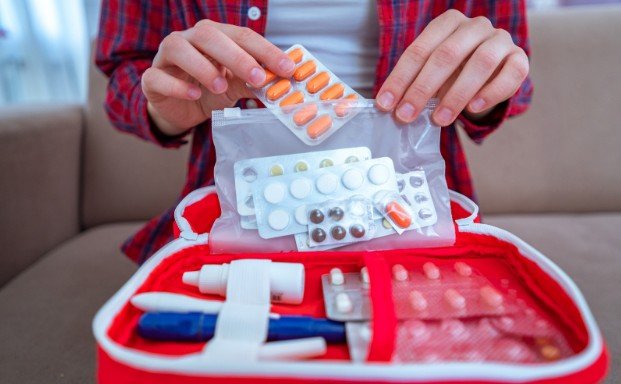
Packing medicine well is really about building layers of protection. I never keep important medication in only one place. My main supply stays in my carry-on, where I can reach it easily and protect it from lost luggage problems.
I also keep my medicine grouped in one dedicated pouch instead of spreading it across different bags. That makes security checks easier and helps me spot anything missing right away. A clean, organized setup reduces stress more than people expect.
Extra supply matters too. Delays happen. Flights get canceled. Plans change. I always feel better when I bring enough for the trip plus a small cushion for unexpected interruptions.
Use Original Containers When Possible
Original containers make your medication easier to identify and reduce confusion. They also help you remember instructions, refill details, and dosage information without relying on memory.
If you prefer a pill organizer for daily use, that can still work well during the trip. I just make sure I also carry the labeled prescription containers in case I need proof of what I am taking.
Never Put Essential Medicine In Checked Bags
This is one travel rule I take seriously every single time. Checked luggage can be delayed, lost, or exposed to harsh temperatures. None of that is worth risking when the medication is important.
If I need it to stay healthy, sleep properly, control symptoms, or function normally, it stays with me—especially on longer trips like visits to national parks for seniors where access to pharmacies may be limited. That simple rule has made my trips much easier.
How to Handle Timing Changes Without Missing Doses
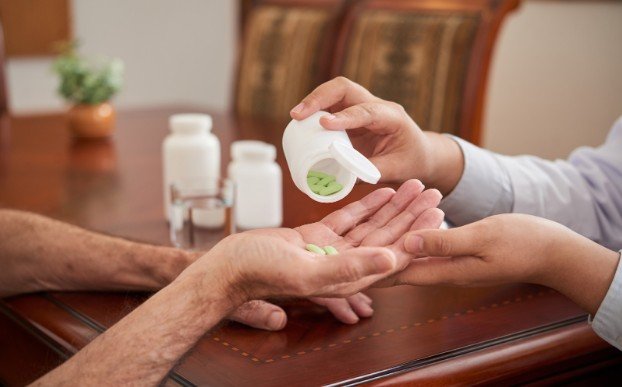
Time-zone changes can make a normal medication routine feel surprisingly tricky. I do not try to guess my way through it. Before I leave, I write down my normal schedule and compare it with my destination time so I can see where adjustments may be needed.
For short trips, some people prefer to stay close to their home schedule. For longer trips, it often makes more sense to shift gradually into local time. The right approach depends on the medication, how often you take it, and how strict the timing needs to be.
That is why I like having a written plan before the flight. When I am tired and disoriented after landing, I do not want to make important health decisions on the spot.
Use Alarms Instead Of Memory
Travel days are distracting. Between boarding calls, customs lines, hotel check-in, and sightseeing, it becomes easy to lose track of time. I set alarms on my phone so I do not rely on memory alone.
I also label alarms clearly. Instead of just setting a random reminder, I name it with the medication and dose time. That makes it much easier to stay consistent when the day gets busy.
What To Do If Something Goes Wrong Mid-Trip

Even with careful planning, things can still go off track. A bottle can spill. A bag can disappear. A dose can get missed. The best response is to stay calm and work from a backup plan instead of reacting emotionally.
That backup plan should include photos of your prescriptions, your medication list, your doctor letter, and the contact information for your pharmacy and healthcare provider. I keep all of this saved on my phone so I can access it quickly without digging through paperwork.
If you ever need a replacement, having the generic name, dosage, and treatment details in one place can save valuable time. Preparation does not remove every problem, but it makes problems much easier to solve.
How To Start Managing medications while traveling abroad
I start with a healthy meal plan about one to two weeks before departure. First, I check my supply and make sure I have enough for the full trip plus extra. Then I gather documentation, confirm storage needs, and organize everything into one easy-to-reach kit.
Next, I build a timing plan. I write down when I normally take each medication, how travel may affect that schedule, and what reminders I need on my phone. This step takes only a few minutes, but it prevents the kind of confusion that usually happens during long travel days.
Finally, I created a backup system. I save photos, print the essentials, and keep important items in my personal bag. That routine has helped me travel with much more confidence because I know I am not depending on memory or luck.
Frequently Asked Questions
1. Can I carry prescription medicine in my hand luggage?
Yes, that is usually the smartest option. I always keep essential medication with me so I can access it easily and avoid the risk of lost checked baggage.
2. Should I bring extra medication for my trip?
Yes. I always pack extra in case of delays, cancellations, or schedule changes. A small buffer can make a huge difference when travel plans shift.
3. Do I need a doctor letter for every trip?
Not always, but it is a smart backup. It becomes especially useful if you carry injectables, controlled medicine, liquids, or anything that may raise questions.
4. What is the biggest mistake travelers make with medicine?
Waiting too long to plan. Most medication problems during travel start with last-minute packing, poor organization, or not thinking through timing changes.
A Smoother Way To Travel With Confidence
I have learned that managing medications while traveling abroad is not about making travel feel complicated. It is about creating a routine that protects your health and gives you peace of mind.
When I pack carefully, keep documents ready, and stay ahead of timing changes, I travel with far less stress. A little planning before departure makes the whole trip feel lighter, safer, and much easier to enjoy.