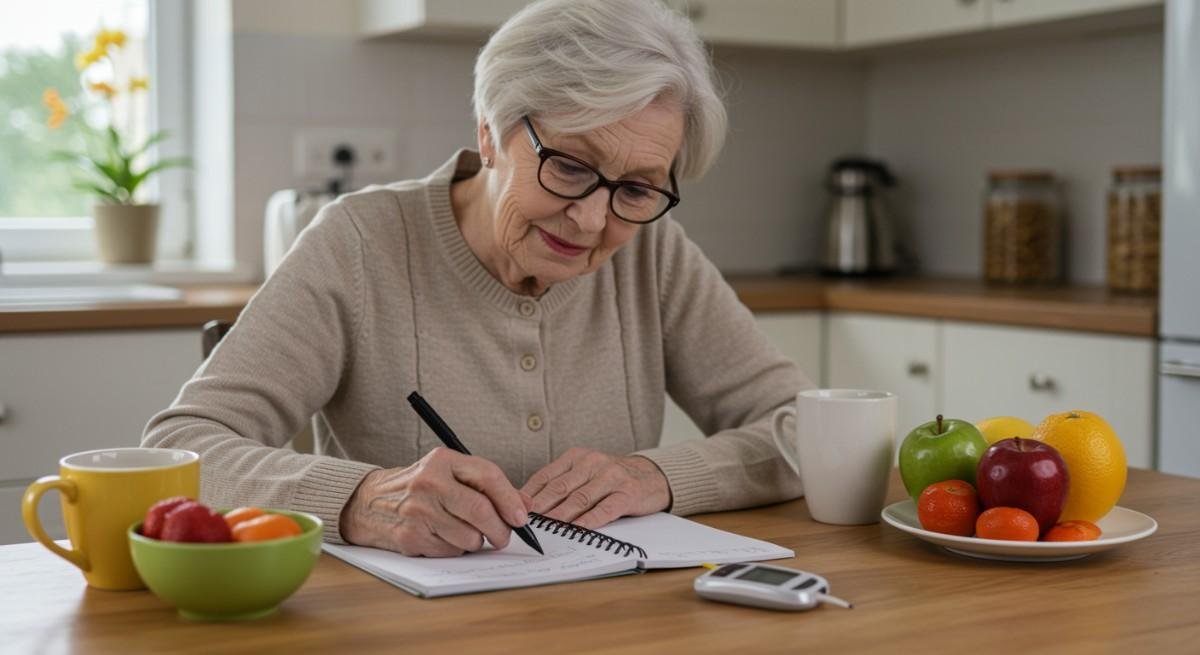
The first time my father was told he needed a diabetes management plan, his reaction was pure resistance. He said he had already lived long enough without charts and schedules. What finally changed his mind was realizing the plan was not about strict rules. It was about reducing daily stress, avoiding health scares, and keeping his independence. For seniors and elderly adults, a diabetes managing plan is not a trend or a checklist. It is a steady companion that makes everyday life feel safer and more predictable.
What Is a Diabetes Management Plan and Why Seniors Need One
A diabetes management plan is a personalized framework designed to keep blood glucose levels within a target range while reducing the risk of long-term complications. For seniors, this plan focuses on stability rather than aggressive control. It guides daily decisions around meals, activity, medication, and monitoring so nothing feels overwhelming.
Instead of guessing what to eat or when to check blood sugar it provides structure. This structure lowers anxiety and helps older adults feel more confident managing their condition independently or with light support.
Why Diabetes Management Looks Different For Older Adults
As people age, the body responds differently to insulin, medication, and physical activity. Seniors are also more vulnerable to low blood sugar episodes, which can lead to dizziness, confusion, or falls. A diabetes management plan for older adults is designed to reduce these risks while still keeping glucose levels steady.
The goal is not perfection. The goal is safety, comfort, and quality of life. A plan that respects real-life routines is far more effective than one that feels too strict to follow.
Core Components of a Diabetes Management Plan for Seniors
Below discussed are the core components to keep in mind when creating a plan to control diabetes:
Medicine Management
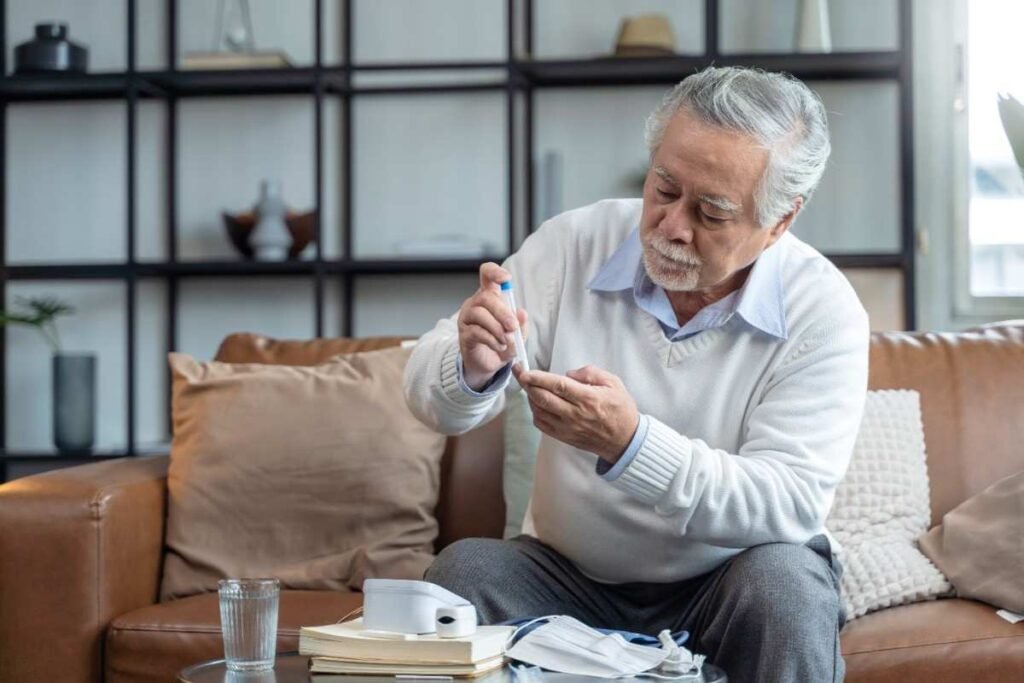
Medication is one of the most important parts of a diabetes management plan. Seniors may take oral medications, insulin, or both. Taking medicine exactly as prescribed helps prevent sudden drops in blood sugar that can be dangerous later in life. Because older adults often take multiple medications, timing and consistency matter.
Monitoring Blood Sugar For Seniors
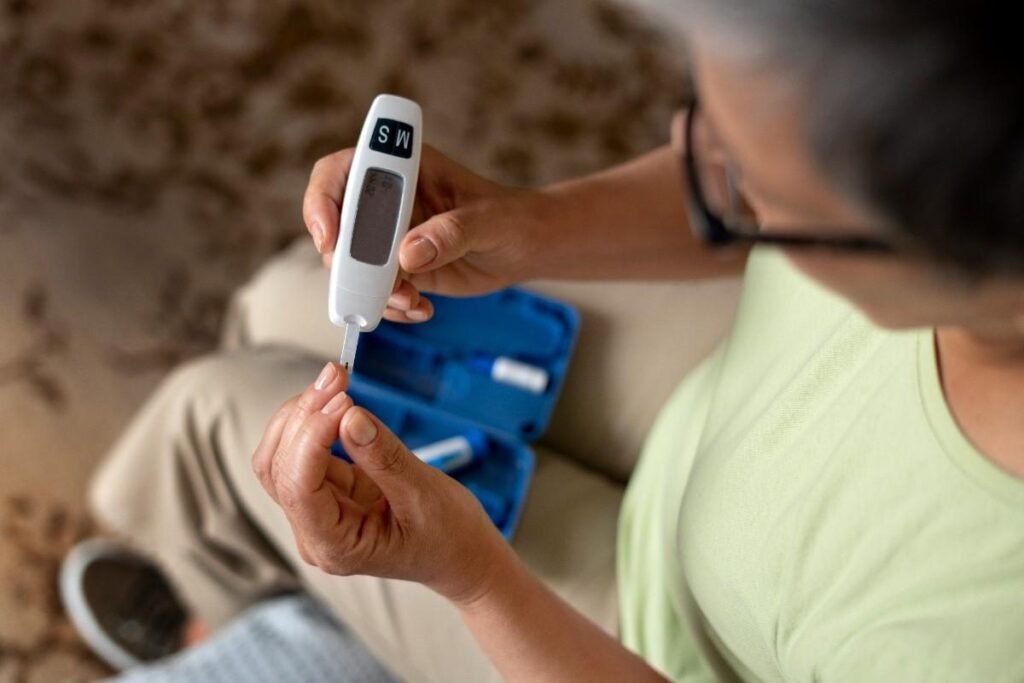
In a diabetes management plan, monitoring exists to provide useful information. Seniors may use a traditional glucose meter or a continuous glucose monitor depending on comfort and access. Regular monitoring helps identify patterns. It shows how meals, activity, stress, or illness affect blood sugar. Over time, this information supports small adjustments that improve stability without drastic changes.
Meals And Balanced Nutrition
Seniors benefit from simple balanced diets that immune senior health. The Diabetes Plate Method works well because it is easy to remember and practical for daily meals. Half the plate includes non-starchy vegetables, one quarter lean protein, and one quarter carbohydrates. This balance helps slow glucose absorption and supports steady energy throughout the day.
Movement That Supports Aging Bodies
In a diabetes tracking plan for seniors, movement includes walking, stretching, light strength training, or regular household activity. These movements help the body use insulin more effectively. Many guidelines suggest about 150 minutes of moderate activity per week, but this can be adjusted. The best management plan includes movement that feels safe, enjoyable, and sustainable.
Mood And Mental Health In Diabetes Care
Stress hormones can raise blood sugar even when meals and medication remain unchanged. Seniors may experience loneliness, anxiety, or frustration related to health changes. Managing stress through relaxation, social connection, or professional support helps stabilize blood sugar and improve overall well-being.
Specialized Diabetes Management Plans for Certain Situations
These plans help ensure consistent care, clear communication, and quick action when routine management is disrupted.

Diabetes Medical Management Plan (Dmmp)
A Diabetes Medical Management Plan, often referred to as a DMMP, is a set of medical orders written by a healthcare provider. While it is commonly used for children in school or childcare environments, similar structured documentation can be valuable for seniors receiving care at home, in assisted living, or through home health services. This plan outlines medication instructions, blood sugar monitoring needs, and emergency procedures so caregivers understand exactly how to provide support.
Sick Day Plan
A Sick Day Plan provides clear guidance for managing diabetes during illness. It includes instructions for adjusting medication, checking blood sugar more frequently, monitoring ketones when advised, and maintaining proper hydration. For seniors, having a sick day plan in place reduces confusion, prevents dehydration, and lowers the risk of complications that often lead to emergency care.
Emergency Action Plan
An Emergency Action Plan outlines step-by-step instructions for treating severe low blood sugar, also known as hypoglycemia. It explains when to use fast-acting carbohydrates and when emergency medication such as glucagon may be necessary. In a diabetes management plan, these instructions should be simple, visible, and accessible to family members or caregivers so action can be taken quickly and safely.
Key Health Targets in a Diabetes Management Plan
Success is often measured by reaching specific clinical goals:
A1c Goals For Seniors
A1C reflects average blood sugar over several months. In a diabetes management plan, A1C targets for seniors are often adjusted to reduce the risk of hypoglycemia. Many older adults may aim for slightly higher targets than younger individuals.
Blood Pressure And Cholesterol Targets
Blood pressure and cholesterol are also key markers of success. A diabetes management plan typically aims to keep blood pressure below 130 over 80 mm Hg and cholesterol within healthy ranges. Managing these targets protects the heart, brain, and kidneys, reducing the risk of stroke and heart disease in seniors.
How to Create a Diabetes Management Plan Step by Step
Follow these steps to create a diabetes management plan for your cared one:
Observing Daily Routines
Creating a diabetes management plan begins with awareness. Seniors should observe meal timing, energy levels, medication habits, and sleep patterns. This information forms the foundation of a plan that fits real life.
Understanding what already works makes the plan easier to follow.
Building Consistency Into Daily Habits
Consistency is the backbone of an effective diabetes management plan. Eating at regular times, choosing balanced meals, and adding gentle movement after meals help prevent blood sugar swings.
These habits create predictability, which is especially important for older adults.
Using Monitoring As Guidance
Monitoring should feel supportive, not stressful. In a diabetes management plan, blood sugar readings are tools for learning patterns rather than judging performance.
This approach reduces anxiety and supports long-term success.
Reviewing And Adjusting Over Time
No diabetes management plan stays the same forever. Regular check-ins with healthcare providers allow adjustments as health needs change.
These reviews keep the plan safe, realistic, and effective.
Frequently Asked Questions
Q1. Is a diabetes management plan different for seniors than younger adults?
Yes. For seniors it is usually more flexible and safety-focused. It accounts for other health conditions, medication sensitivity, and higher risk of low blood sugar, prioritizing comfort and independence.
Q2. How often should a diabetes management plan be reviewed?
Most seniors should review their t plan every three to six months. Health changes, new medications, or lifestyle shifts can all affect blood sugar control.
Q3. Can family members help manage a diabetes management plan?
Yes. Family members and caregivers often support medication schedules, meals, and monitoring. A clear plan makes caregiving easier and reduces confusion.
Q4. Are blood sugar targets always strict for seniors?
Not always. Many seniors have individualized targets to reduce hypoglycemia risk. A diabetes management plan balances control with safety and quality of life.
Final Thoughts on Seniors Living Well
A diabetes management plan for seniors is not about restriction. It is about creating steady routines that protect health and preserve independence. From experience, the plans that last are built around real habits, not ideal ones. Consistency matters more than perfection. When a plan fits comfortably into daily life, it becomes a source of confidence instead of stress.
Disclaimer: This is for informational purposes only. For medical advice or diagnosis, consult a professional.