
If you’re caring for an aging parent or grandparent, a GPS tracker for seniors can go from “interesting gadget” to “must-have” pretty fast. I remember the first time my loved one went for a walk and didn’t come back when expected. That sinking feeling made me research tracking devices the same day—and I quickly realized how many options (and confusing claims) are out there.
In this guide, I’ll break down how GPS trackers for seniors really work, what features matter, how much they cost, and how to choose a device that actually fits your family’s needs—not just the marketing promises.
What Is a GPS Tracker for Seniors and Why Are Families Using Them?
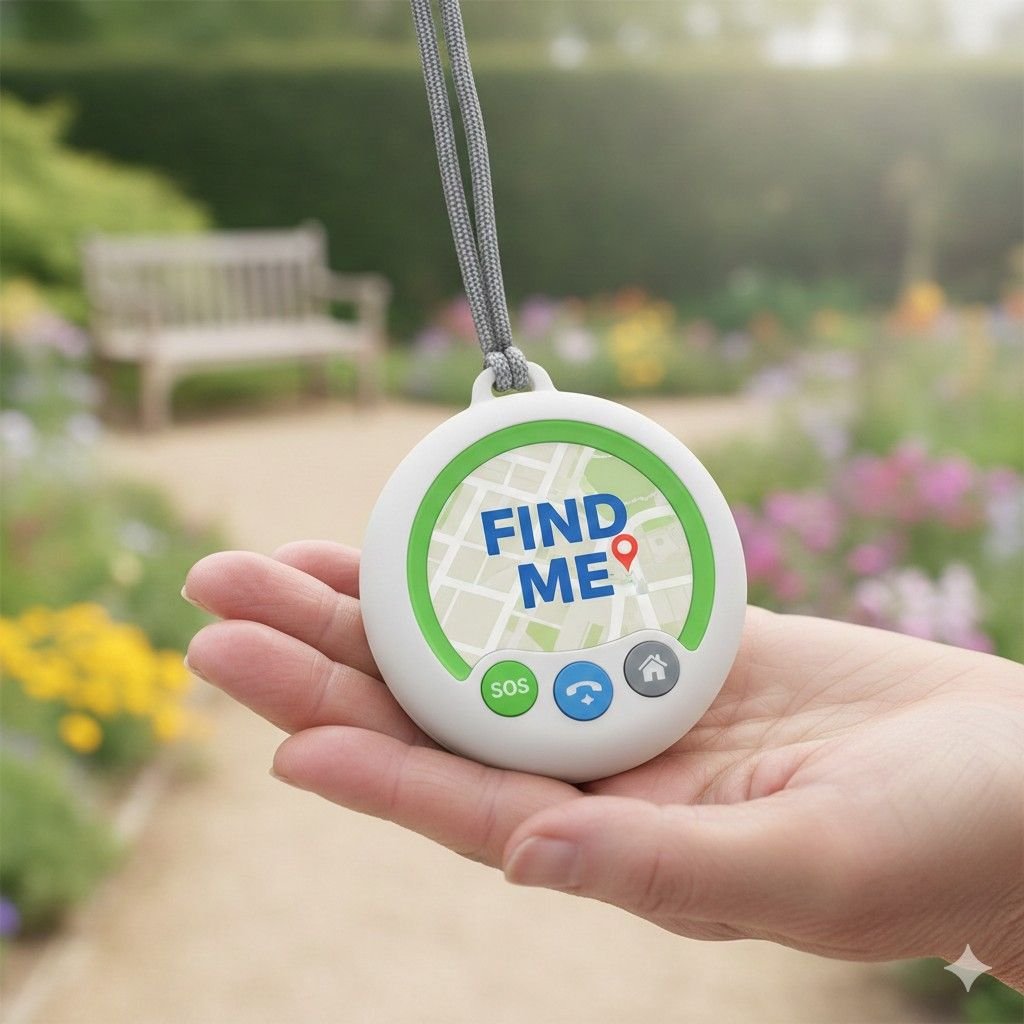
A GPS tracker for seniors is a small device—often a watch, pendant, bracelet, or clip-on—that uses GPS and cellular networks to share the wearer’s real-time location with caregivers via an app or web dashboard. Many devices also include safety features like SOS buttons, fall detection, and two-way calling.
Families typically use these trackers to:
- Support seniors who live independently but have health risks.
- Monitor older adults with dementia or Alzheimer’s who may wander or become disoriented.
- Get quick alerts if a senior leaves home unexpectedly or doesn’t arrive at a usual destination.
Modern trackers are designed to be discreet and comfortable, so seniors can keep their independence while family members get peace of mind.
Which Features Matter Most in a GPS Tracker for Seniors?
Not all devices are created equal. Top-performing models reviewed by safety and senior-care sites tend to focus on a few essential features.
Accurate real-time location tracking
Look for devices that combine GPS with cellular, Wi-Fi, and sometimes Bluetooth for more accurate positioning—especially in dense urban areas or indoors. Trackers like Jiobit, for example, use multiple systems to improve precision and reliability.
Easy-to-use caregiver app
A clean, simple app is crucial. The best devices let you:
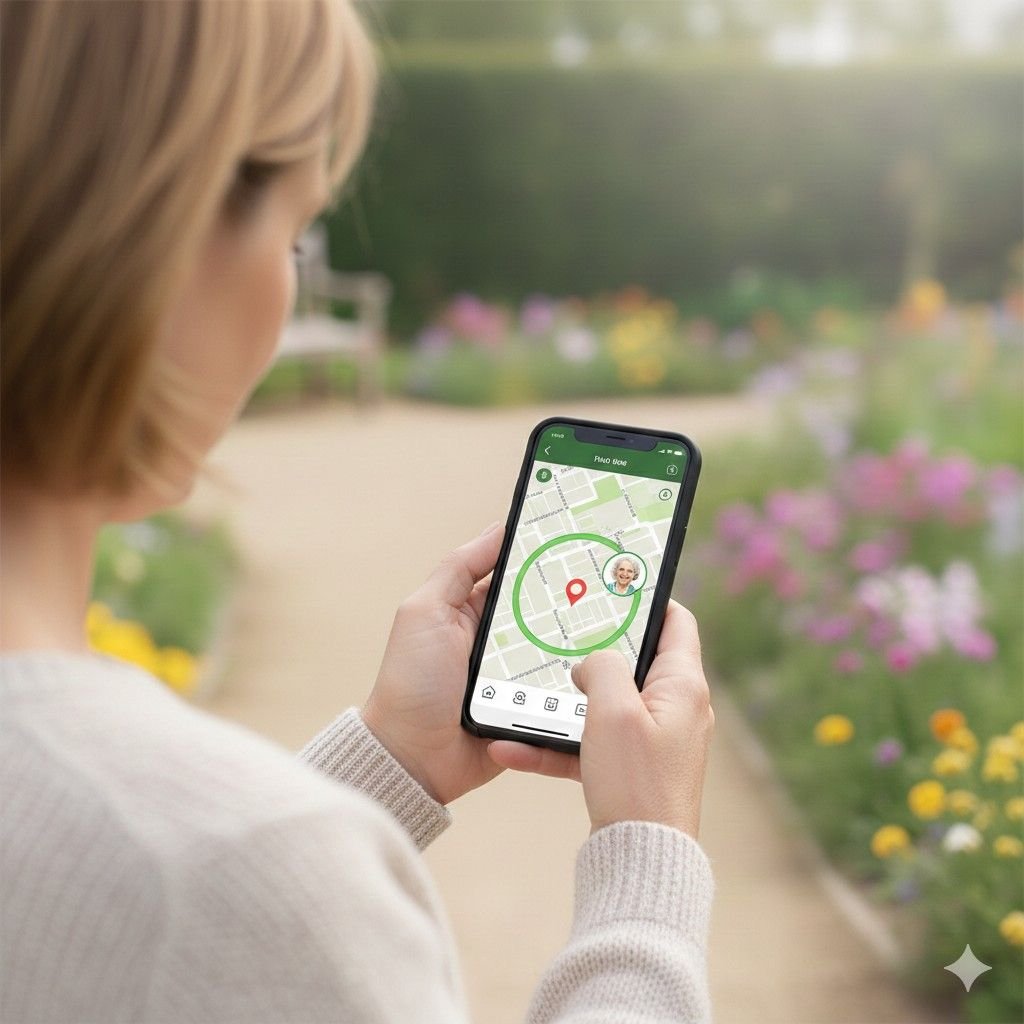
- See live location on a map
- View location history
- Set up “safe zones” (geofences) and get alerts when they’re entered or exited
SOS button and two-way communication
Many GPS tracker watches for seniors include an SOS button that triggers a call or alert to caregivers or a 24/7 monitoring center. Some, like AngelSense and certain medical alert wearables, allow two-way voice so you can talk directly to your loved one through the device.
Fall detection and health-related alerts
Some trackers add automatic fall detection, sending alerts if a hard impact is detected combined with a lack of movement. While not every GPS tracker has fall detection, it’s increasingly common in senior-focused devices and medical alert wearables.
Comfort, battery life, and water resistance
If a device is bulky, heavy, or needs charging every day, chances are it’ll sit on a nightstand instead of a wrist. Top-reviewed trackers emphasize:
- Lightweight, low-profile designs
- Multi-day battery life
- Water resistance for showers or rainy walks

How Do Popular GPS Trackers for Seniors Compare?
When you look at leading guides and product reviews, you’ll see a few common styles of GPS tracker for seniors show up again and again:
- GPS watches and bracelets – These look like regular wearables but add GPS, SOS, and often fall detection. Great for everyday wear.
- Neck pendants and clip-ons – Simple, often with one main button and a strong focus on emergency alerts.
- Hidden or integrated trackers – For dementia care, you’ll find devices built into shoe insoles (like GPS SmartSole) or discreet tags that can be attached to clothing or belts.
Many top picks—such as senior-focused GPS wearables highlighted by SafeWise, BrickHouse Security, and senior-care blogs—offer similar core features but differ in comfort, app quality, and service plans.
How Much Does a GPS Tracker for Seniors Cost?
Cost is usually a mix of device price plus an ongoing service fee.
- Device cost: Often ranges from about $50 to $250 depending on brand, build quality, and extras like fall detection or advanced apps.
- Monthly subscription: Many trackers require a cellular or monitoring plan, typically $20–$50 per month for real-time tracking, app access, and sometimes 24/7 professional monitoring.
- No-subscription options: A few devices use SIMs or direct alerts to family phones instead of monitoring centers. These can reduce monthly costs but may require a bit more setup and tech comfort on the family’s end.
It’s worth running the math: the extra dollars for more reliable service or better alerts may be worth it if your loved one is at high risk of wandering or falls.
How Do You Choose the Best GPS Tracker for Seniors?
Here’s a practical way to narrow things down:
- Start with your loved one’s needs.
Do they have dementia and frequently wander, or do they just enjoy independent walks? Higher-risk seniors usually benefit from more robust devices with real-time alerts, fall detection, and two-way voice.
- Choose a form factor they’ll actually wear.
Some seniors prefer a simple pendant over a smartwatch-style device. Others like the familiarity of a watch or even an in-shoe tracker that doesn’t look like tech at all. Comfort and routine matter more than specs on paper.
- Decide who will monitor alerts.
If family is monitoring, an easy-to-use app is key. If no one can reliably watch alerts, a monitored medical alert system with GPS might make more sense, even if it costs more each month.
- Check coverage and reliability.
Make sure the device’s cellular network works well in your area and read recent reviews about battery life, app glitches, and customer support before committing.
- Balance privacy and safety.
Whenever possible, involve your loved one in the decision. Explain how the tracker works, who can see their location, and when alerts are triggered.
Frequently Asked Questions
1. Do GPS trackers for seniors work without a monthly subscription?
Some GPS trackers for seniors are sold as no-subscription devices, often sending alerts directly to family phones via calls or texts instead of through a monitoring center. However, even “no-subscription” options may still rely on a SIM card and basic data plan. Most feature-rich trackers with apps and constant real-time updates do use a monthly subscription for connectivity and cloud services.
2. Is a GPS tracker for seniors safe and legal to use?
Yes—when used with consent and for safety, a GPS tracker for seniors is generally both safe and legal. The main consideration is privacy: ideally, your loved one should understand what’s being tracked and agree to it, especially if they’re cognitively able to make that decision. For individuals with advanced dementia, families often rely on medical and legal guidance to balance safety with autonomy.
3. Can a GPS tracker for seniors detect falls or health emergencies?
Many senior-focused wearables combine GPS tracking with fall detection, SOS buttons, and sometimes even heart-rate or activity monitoring. If a fall is detected, the device may automatically alert caregivers or a monitoring center and send the wearer’s location. Keep in mind, though, that fall detection isn’t perfect—false alarms and missed events are still possible, so it’s one tool in a broader safety plan.
4. What’s the difference between a GPS tracker for seniors and a medical alert system?
A traditional medical alert system usually focuses on in-home emergencies via a base station and pendant. A GPS tracker for seniors is typically mobile, working both indoors and outdoors using cellular networks and apps. Many modern devices blend both ideas, offering mobile GPS, SOS buttons, two-way voice, and access to either family caregivers or 24/7 professional monitoring.
Final Thoughts: Is a GPS Tracker for Seniors Worth It?
Ultimately, a GPS tracker for seniors is about buying time and peace of mind. It can’t prevent every emergency, but it can help you find a loved one quickly, respond faster when something goes wrong, and support their independence for longer.
If you choose a device that fits your senior’s lifestyle, has the right safety features, and offers reliable support, it becomes more than just a gadget—it becomes part of your family’s care plan.