When it comes to your vehicle, every component plays a crucial role in how it performs on the road. From the engine to the suspension, brakes, and even smaller components, automotive parts collectively determine your car’s reliability, efficiency, and safety. Understanding how these parts interact can help you maintain your vehicle better and make informed decisions when replacing or upgrading components.
Engine Components: The Heart of Performance
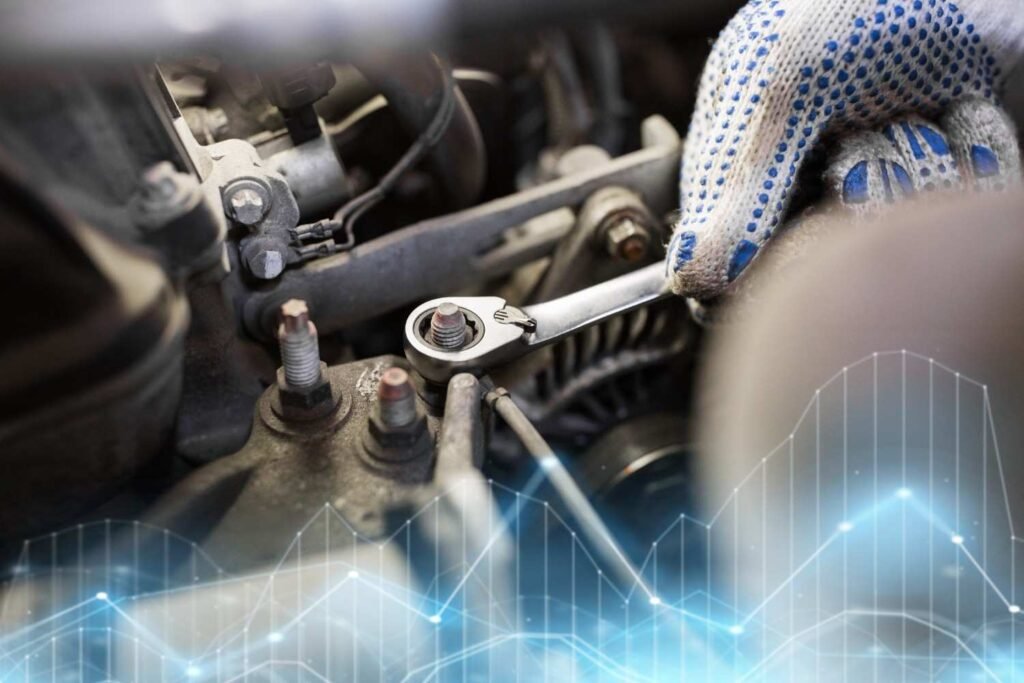
The engine is the core of your vehicle’s performance. Parts like pistons, camshafts, and valves control how efficiently fuel is burned and power is generated. Even small changes, such as upgrading spark plugs or air filters, can improve acceleration and fuel efficiency.
Modern vehicles also rely on efficient thermal systems to regulate engine temperature and prevent overheating. Regular maintenance of engine components ensures that your vehicle runs smoothly and avoids costly repairs down the line.
Transmission and Drivetrain: Power Delivery Matters
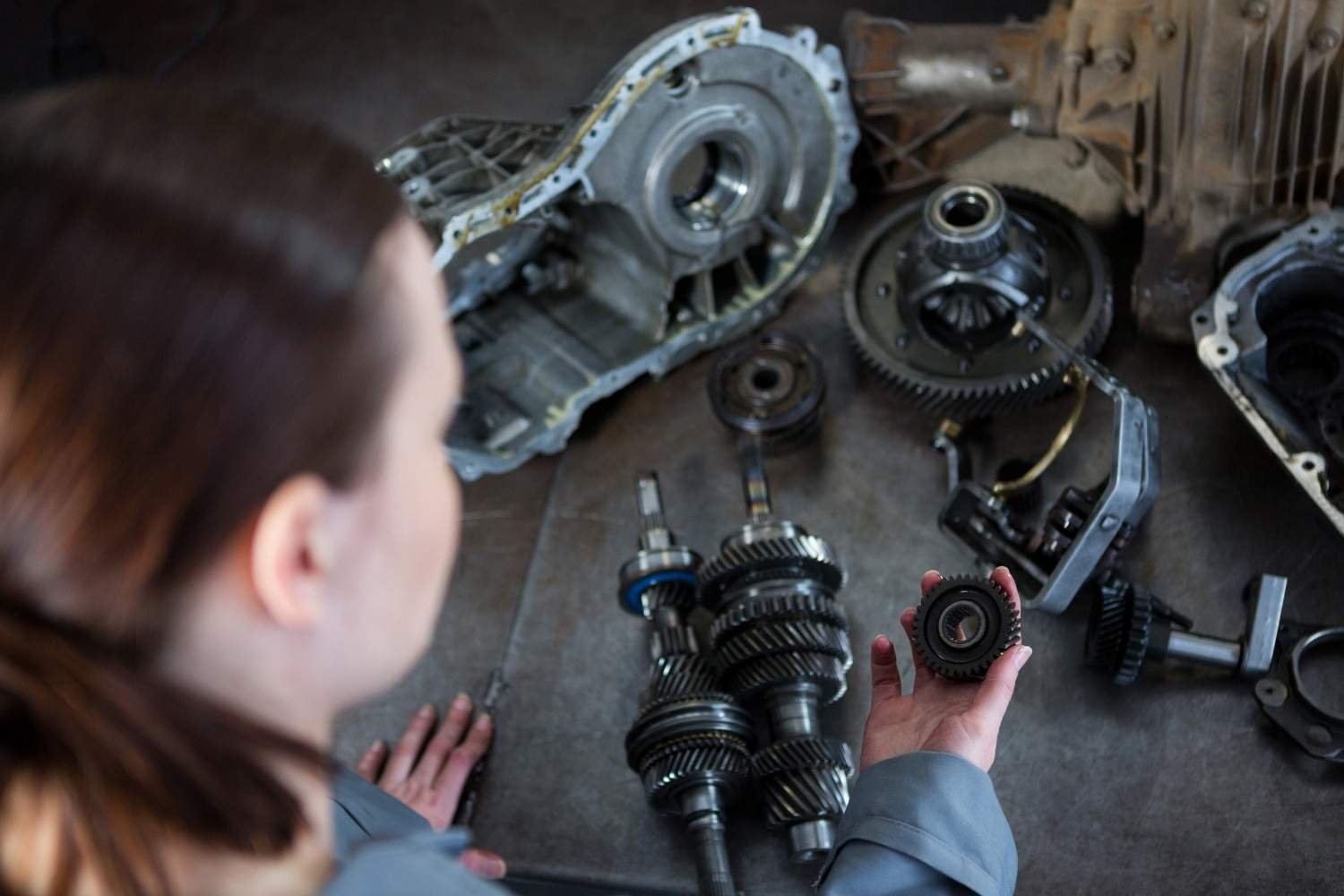
The transmission and drivetrain determine how the engine’s power reaches the wheels. Components such as gears, clutches, and differential systems are responsible for smooth acceleration and handling. Worn-out parts can cause delayed gear shifts, reduced efficiency, or even mechanical failure. Using high-quality transmission fluid and timely replacement of worn components can maintain optimal performance.
Suspension and Steering: Stability and Control
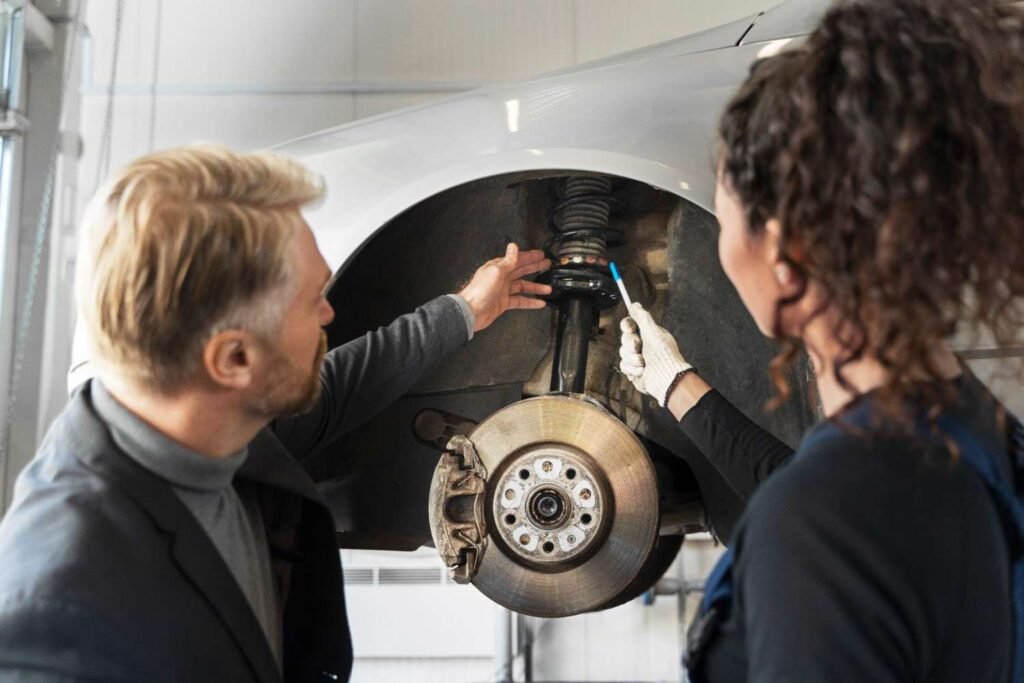
Suspension and steering parts, including shocks, struts, control arms, and tie rods, directly affect how your vehicle handles on different terrains. Worn suspension parts can reduce stability, cause uneven tire wear, and increase stopping distances. Regular inspections and timely replacement of these parts ensure a safer and smoother driving experience.
Braking Systems: Safety Comes First
Brakes are among the most critical automotive parts for safety. Components like rotors, brake pads, calipers, and brake lines must be in top condition to provide reliable stopping power. Poorly maintained brakes can lead to longer stopping distances and higher risk of accidents. Routine maintenance and quality replacement parts are non-negotiable for safe vehicle operation.
Exhaust and Emission Parts: Efficiency and Compliance
The exhaust system, including the muffler, catalytic converter, and oxygen sensors, impacts both performance and emissions. A clogged or damaged exhaust system can reduce engine efficiency and increase fuel consumption. Modern emission-control parts ensure compliance with environmental regulations while maintaining performance.
Wheels, Tires, and Alignment: Grip and Efficiency
Wheels and tires are the vehicle’s only contact points with the road. Proper tire selection, alignment, and rotation can significantly impact handling, fuel efficiency, and safety. Even high-performance engines won’t deliver their full potential if the tires cannot provide adequate traction.
Minor Components with Major Impact
Sometimes, small components can make a significant difference in vehicle performance. For example, a steady rest in machining or engine rebuilding helps ensure precise alignment of rotating components, which reduces vibrations and improves overall efficiency. Similarly, sensors, belts, and hoses, although small, play essential roles in keeping the vehicle running smoothly.
Choosing Quality Parts Matters
Not all automotive parts are created equal. Original Equipment Manufacturer (OEM) parts are designed specifically for your vehicle, offering reliability and compatibility. Aftermarket parts may be more affordable, but quality can vary widely. Investing in high-quality components not only enhances performance but also extends the life of your vehicle.
Maintenance and Performance: A Continuous Cycle
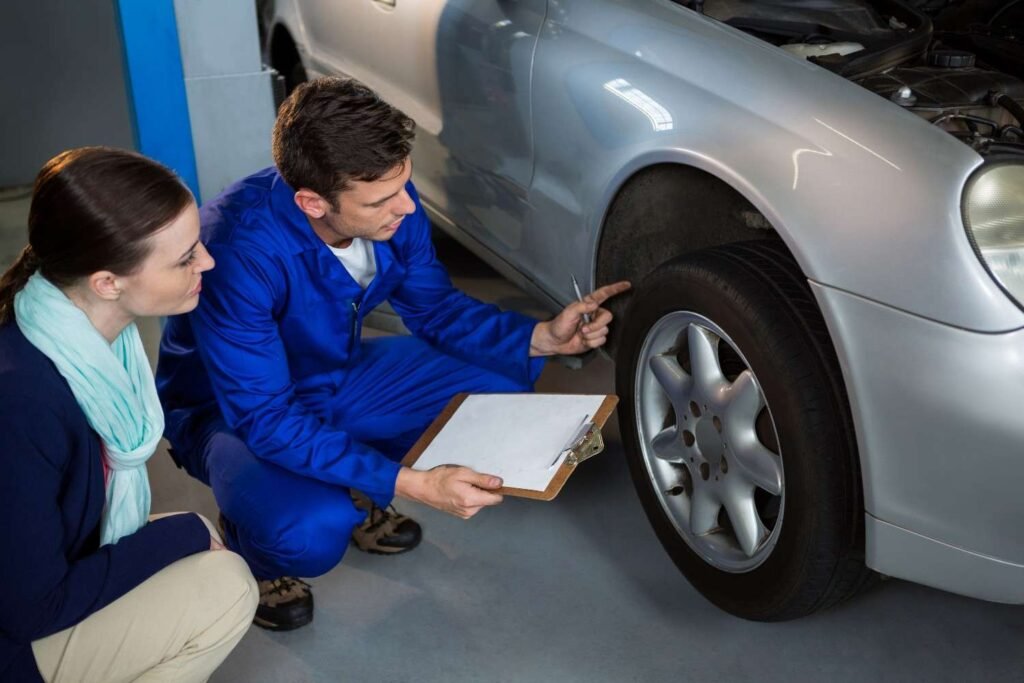
Maintaining automotive parts is just as important as selecting the right ones. Regular inspections, timely replacements, and proper servicing ensure that every component functions optimally. Neglecting maintenance can lead to performance loss, decreased fuel efficiency, and increased risk of breakdowns.
Conclusion
Every automotive part contributes to your vehicle’s performance, from major components like the engine and transmission to smaller but crucial parts like belts and sensors. Understanding their roles and maintaining them properly can improve efficiency, safety, and longevity. By investing in quality parts and regular maintenance, drivers can enjoy a smoother, safer, and more reliable driving experience.