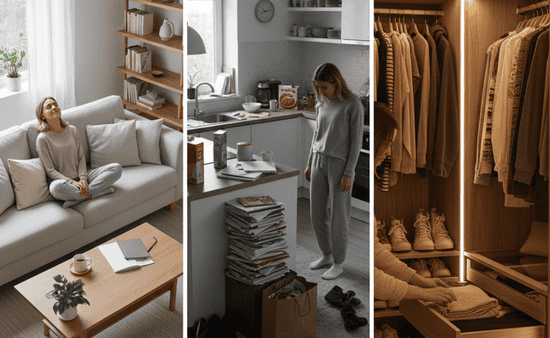
You walk through the front door after a long day at work. Shoes are scattered across the entryway, a stack of unopened mail is teetering on the counter, and the sink is full of dishes from breakfast. Immediately, you feel a tightness in your chest. Your shoulders hunch up toward your ears. Instead of relaxing, you feel a spike of irritation.
Decluttering for Clarity
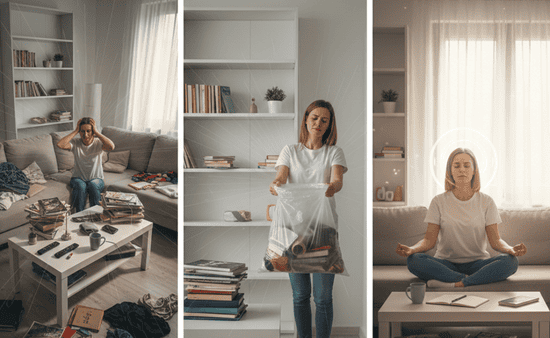
We often think of clutter as merely physical—a pile of magazines, a drawer full of mismatched cords, or a closet bursting with clothes we never wear. However, clutter is also visual noise. Every item in your line of sight competes for your attention, even if you aren’t consciously looking at it.
When your environment is filled with excess “stuff,” your brain has to work harder to filter out the unnecessary visual data. This constant processing drains your cognitive resources, leaving you feeling tired, distracted, and irritable.
Reducing Anxiety Through Reduction
The process of decluttering does more than clear floor space; it clears headspace. Living in a cluttered environment can create a low-level, chronic fight-or-flight response. Your brain perceives the mess as a task that needs to be done, a problem that needs to be solved. Because the mess is constantly present, the brain never truly rests.
By removing the excess, you remove the constant reminders of unfinished business. You strip away the visual noise that triggers anxiety. Many people report a physical sensation of lightness after a significant decluttering session. It turns out that getting rid of physical baggage often helps release emotional baggage as well.
Overcoming Decision Fatigue
Clutter also contributes heavily to decision fatigue. When you have to dig through five different spatulas to find the one you like, or when you have to shove aside ten shirts that don’t fit to find the one that does, you are forcing your brain to make micro-decisions before you’ve even started your day. These tiny frustrations add up, depleting your willpower and patience. A simplified environment removes these barriers, preserving your mental energy for things that actually matter.
Practical Organization Techniques
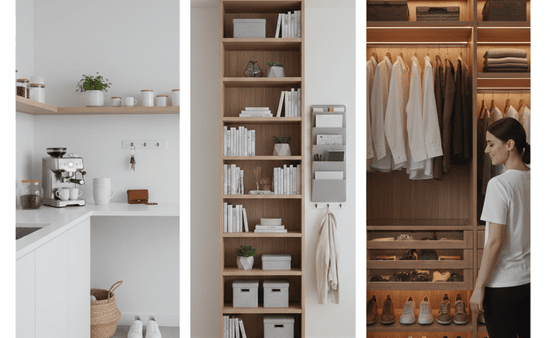
Knowing you need to organize is one thing; knowing where to start is another. The prospect of organizing an entire home can feel overwhelming. The key is to break it down into manageable systems rather than viewing it as a massive, one-time project.
Zone Your Home
Think of your home in terms of “zones” based on function. In the kitchen, keep all coffee supplies in one specific corner. In the entryway, have a designated basket for keys and wallets. When everything has a specific “home,” the mental load of tidying up decreases significantly. You stop asking, “Where does this go?” and start automatically placing items where they belong.
Vertical Storage Solutions
When floor space is limited, look up. Utilizing vertical space can drastically reduce the feeling of being closed in. Shelving units, hanging organizers, and wall hooks keep items off the ground and surfaces clear. Clear surfaces are visually calming and make a room feel larger and more open.
Optimize Your Wardrobe
The bedroom is arguably the most critical room to keep organized because it impacts how you start and end your day. A chaotic closet can set a frantic tone for the morning. This is where investing in infrastructure matters. Installing custom closet systems, like those offered in Salt Lake City, can revolutionize your relationship with your wardrobe. By having designated spaces for shoes, varied hanging heights for clothes, and drawers for accessories, you eliminate the daily struggle of finding an outfit. When your closet is organized, getting dressed becomes a streamlined, peaceful ritual rather than a stressful hunt.
The “One Touch” Rule
This is a simple technique to prevent future mess. When you bring an item into a room, deal with it immediately rather than putting it down to deal with later. Hang your coat up as soon as you walk in. Put the scissors back in the drawer immediately after using them. This prevents the “doom piles” that tend to accumulate on dining tables and chairs.
The Psychology of Space
Beyond the immediate relief of a tidy room, there are deeper psychological mechanisms at play when we organize our living spaces. Our environment acts as a container for our lives, and the state of that container influences how we see ourselves.
Restoring a Sense of Control
Life is unpredictable. We cannot control the economy, the traffic, or the behavior of others. However, we can control where our socks go. In times of high stress or trauma, organizing offers a tangible way to exert agency over our lives. It provides immediate, visible proof of our competence. This sense of efficacy—the belief that we can effect change in our environment—is a crucial component of mental resilience.
Improving Sleep Hygiene
Your bedroom environment directly impacts sleep quality. A cluttered room can make it difficult to wind down. If the last thing you see before closing your eyes is a pile of laundry, your brain stays in “to-do list” mode. An organized, minimalist bedroom signals to the brain that the day is done. By clearing the physical space, you help clear the mental space necessary for deep, restorative sleep.
Impact on Relationships
A disorganized home is a frequent source of tension between couples and housemates. Arguments over chores and mess can erode relationship satisfaction over time. Conversely, a systemized home reduces friction. When expectations are clear and systems are in place, the home becomes a collaborative space rather than a battleground. Peace in the home environment naturally fosters peace in relationships.
Creating a Routine
Organization is not a destination; it is a practice. The “set it and forget it” mentality often leads to a rebound effect, where the mess returns within a few weeks. To maintain the mental health benefits of an organized home, you must build maintenance into your daily life.
The 10-Minute Reset
Set a timer for ten minutes every evening to do a “house reset.” Put the throw pillows back on the couch, load the dishwasher, and clear the counters. Doing this before bed ensures you wake up to a fresh slate. It’s a gift you give to your future self.
One In, One Out
To prevent clutter from creeping back in, adopt the “one in, one out” policy. If you buy a new pair of shoes, donate an old pair. If you buy a new book, pass one you’ve already read to a friend. This keeps the volume of possessions at a manageable level and forces you to be mindful about what you bring into your space.
Start Small
If you are currently overwhelmed by clutter, do not attempt to organize the whole house in a weekend. Start with one drawer. Then one shelf. Then one room. Small wins build momentum. As you experience the mental clarity that comes from that single organized drawer, you will be motivated to tackle the next challenge.
Conclusion
The state of your home is a reflection of your internal state, but it works both ways: by changing your environment, you can change your mind. You don’t need to aspire to a sterile, magazine-perfect home to reap the benefits. The goal is simply to create a space that supports you rather than drains you.