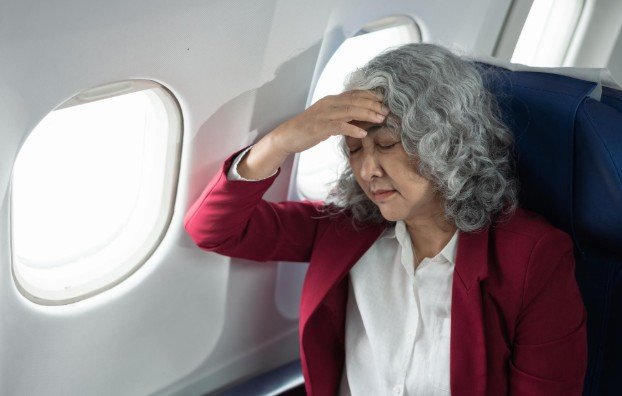
The feeling wiped out after a trip was just part of getting older. Over time, I realized that was not the full story. Once I changed the way I planned flights, paced my days, and recovered after arrival, travel started feeling far more enjoyable. If you are wondering how to avoid travel fatigue after 60, the answer is not one big fix. It is a series of smart, simple habits that protect your energy before, during, and after the trip.
Travel fatigue after 60 often comes from a mix of poor sleep, dehydration, long walking days, irregular meals, stress, and trying to do too much too fast. The good news is that you can reduce all of that with better timing, better routines, and a little more recovery space built into your plans.
Why Travel Feels More Draining With Age
Travel can wear anyone down, but it tends to hit harder later in life because energy recovery is not always as quick as it used to be. A long flight, a noisy hotel, a missed meal, or a packed sightseeing schedule can stack up fast and leave you feeling foggy for days.
I have found that the biggest issue is rarely one dramatic problem. It is usually a chain reaction. Poor sleep leads to low energy. Low energy makes airports feel harder. Dehydration adds headaches and heaviness. Then an overplanned first day makes everything worse. Once I started treating travel energy like something I needed to manage on purpose, trips became much easier.
What Should You Do Before the Trip Starts?
Adjust Your Routine Early
The best travel recovery begins before you even leave home. I try to shift my sleep and meal timing a little ahead of time when I know my schedule will change. Even a small adjustment can make arrival feel less jarring.
I also avoid staying up late to pack the night before. That habit used to ruin my first day every time. Now I pack earlier, keep the final evening calm, and protect my sleep like it is part of the itinerary.
Book With Energy in Mind
Convenience matters more than people admit. I always look at layovers, total travel time, airport walking distances, and arrival time before I look at price alone. A cheaper route is not a better deal if it costs me two recovery days.
Morning departures often work better for me because I can move through the day with less confusion and arrive with enough time to settle in. I also like giving myself a lighter first evening instead of planning a full schedule right after landing, especially when managing medications while traveling so I can stay on track without feeling rushed.
Prepare Medications and Comfort Essentials
One of the smartest travel habits is keeping important items easy to reach. I carry medications, water, snacks, a light layer, and anything that helps me rest more comfortably. I never leave those buried in luggage.
That one change reduces stress immediately. I do not have to search through bags, rush at the gate, or skip something important because I packed without thinking about the actual travel day.
How to Avoid Travel Fatigue After 60 During Transit

Hydrate More Than You Think You Need
This is one of the biggest differences I notice on travel days. If I do not drink enough water, I feel it fast. My head feels heavy, my patience drops, and my body feels slower than it should.
Now I treat hydration like a travel rule, not a suggestion. I sip water before the airport, during the flight or drive, and after arrival. I also go lighter on alcohol and very salty foods when I am in transit because they tend to make me feel more drained.
Move Often and Sit Smarter
Staying in one position too long can make the whole journey feel harder. On flights, I like to stand up, stretch gently, and walk when I can. On road trips, I prefer several types of shorter road blocks and regular stops instead of pushing through.
I also pay attention to comfort in ways I used to ignore. Better shoes, back support, neck support, and easy layers make a real difference. Small discomforts become big energy drains when they last all day.
Eat for Steady Energy
Heavy meals used to sound like a reward when I traveled, but they often made me sluggish. I feel better when I keep meals lighter and more balanced, especially during transit. Simple foods that do not leave me overly full help me stay steady.
Snacks matter too. I always keep something easy with me so I do not go too long without eating. That prevents the sudden crash that can turn a normal travel day into an exhausting one.
How Can You Recover Faster After You Arrive?
Get Into Local Time Quickly
The sooner I settle into the rhythm of the destination, the better I feel. I try to eat, rest, and go outside according to the local clock instead of clinging to the time back home. Natural daylight helps a lot. When I get outside, walk a little, and let my body read the new day properly, I adjust faster and feel less foggy.
Do Less on Day One
This has probably saved me more energy than anything else. I no longer treat arrival day like a race. I use it for check-in, a short walk, a simple meal, and a calm evening. That lighter start helps me enjoy the whole trip more.
When I used to schedule too much on day one, I paid for it later. Now I build in margin. That one decision keeps the rest of the trip from feeling like recovery mode.
Nap Carefully
A short nap can help, but a long one can throw off the whole night. I keep naps brief and early enough that they do not replace actual sleep. The goal is to take the edge off, not restart the day. This kind of pacing works far better for me than forcing myself to power through exhaustion or sleeping for hours and waking up disoriented.
What Travel Habits Protect Your Energy Best?

Plan One Big Thing Per Day
I enjoy travel more when I stop trying to fit everything into one trip. One major activity a day is often enough, especially when there is walking, heat, lines, or unfamiliar transit involved. Leaving room between activities helps me stay present. I am less rushed, less sore, and much more likely to enjoy what I actually came to see.
Choose Comfort Over Pressure
I have learned that the best trips are not the ones with the most packed schedule. They are the ones where I feel good enough to stay curious, relaxed, and flexible. That means choosing hotels in practical locations, using transport when needed, and not feeling guilty for slowing down.
Protecting your energy is not laziness. It is smart travel. The more realistic your pace, the better your experience usually becomes.
Keep Stress Low
Travel stress drains energy just as much as physical activity. When I simplify directions, confirm bookings ahead of time, and give myself extra time for transitions, I feel noticeably better.
A calmer travel day helps everything else fall into place. I make better decisions, sleep better, and recover faster because I am not running on tension from the start.
How To Avoid Travel Fatigue After 60 Step By Step
Start by building a trip around energy, not just attractions. Choose travel times that do not force you into a miserable schedule. Leave enough space between connections. Traveling abroad with medicine, water, snacks, and layers where you can reach them quickly. Protect your sleep the night before departure instead of trying to squeeze in last-minute tasks.
During the trip, keep drinking water, move regularly, and eat in a way that supports stable energy. After arrival, resist the urge to do too much too soon. Get outside, adjust to local time, and keep the first day simple. Over the rest of the trip, pace yourself by focusing on one main activity a day and building in real recovery time. That is the system that has worked best for me.
Frequently Asked Questions
1. Can travel fatigue last several days after 60?
Yes. Poor sleep, dehydration, time changes, and overplanning can make fatigue last longer than expected, especially if you do too much right after arrival.
2. Is it better to rest or stay active after arriving?
A mix usually works best. I prefer light movement, fresh air, and a calm evening instead of total inactivity or an overloaded first day.
3. Do morning flights help reduce fatigue?
They often can. Earlier departures may make it easier to stay on a normal rhythm and settle in before the day feels lost.
4. What is the biggest mistake older travelers make?
Trying to travel at the same pace they used years ago. A better rhythm usually leads to a better trip.
Final Takeaways
I have learned that great travel is not about pushing harder. It is about recovering smarter, pacing better, and making choices that protect your energy from the start. Once I stopped treating exhaustion like an unavoidable part of aging, trips became much smoother. If you want to know how to avoid travel fatigue after 60, focus on sleep, hydration, lighter arrival days, and a schedule that gives your body room to enjoy the journey.