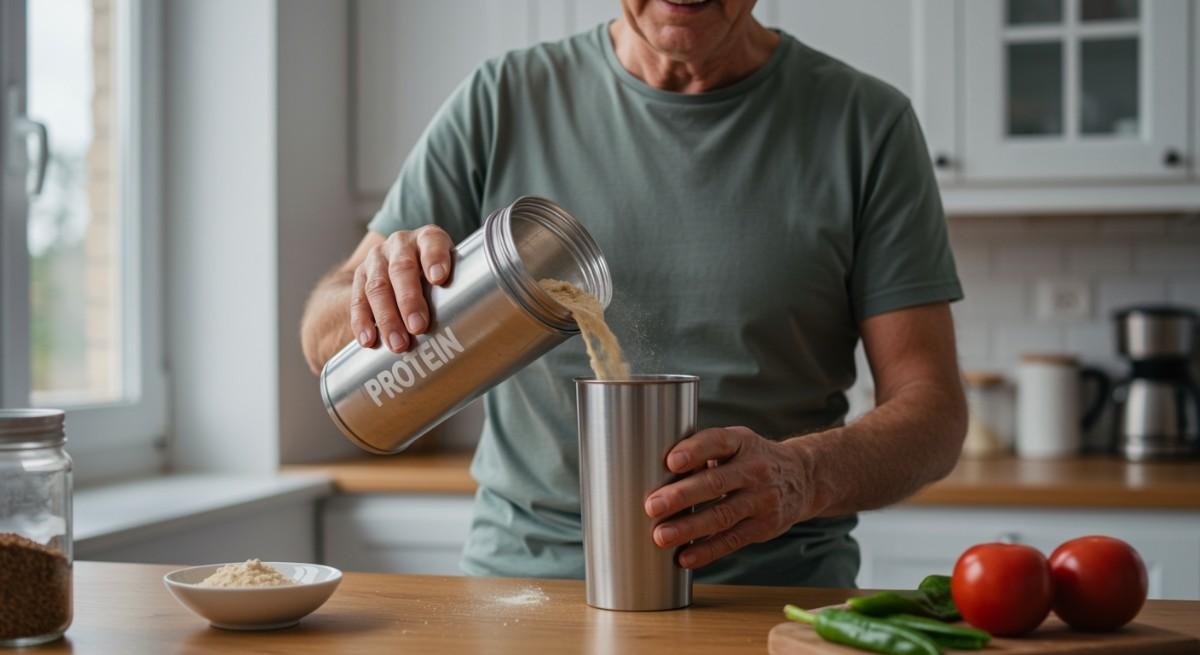
I still remember realizing my mother was eating less protein without noticing. Breakfast became toast instead of eggs, lunch was light, and dinner portions shrank. That moment pushed me to understand whether a protein supplement for older adults actually helps or is just marketing noise. What I learned is simple. Aging bodies need more protein support, not less, and the right approach can protect strength and independence.
A protein supplement for seniors is not about fitness trends. It is about meeting higher nutritional needs when appetite, digestion, or chewing makes food intake harder. I’ll explain to you how protein supplements support senior health, what to look for, and how to use them safely and effectively.
Why Is A Protein Supplement For Older Adults Important For Muscle Health?
Muscle mass naturally declines with age, even in active individuals. The body becomes less responsive to protein, which means older adults need higher amounts to maintain muscle strength and mobility. Without enough protein, everyday tasks like walking, lifting, or balancing become harder over time.
A protein supplement for older adults helps deliver concentrated, easy-to-absorb protein when meals fall short. This support becomes especially important for those recovering from illness, eating smaller meals, or experiencing age-related muscle loss. Maintaining muscle plays a key role in reducing fall risk and preserving independence.
How Much Protein Supplement For Older Adults Is Recommended Daily?
Protein requirements increase after age 50. Most guidelines suggest older adults aim for about 1 to 1.2 grams of protein per kilogram of body weight each day or more depending on activity level and health status. This is higher than recommendations for younger adults.
Meeting these needs through food alone can be challenging.
A protein supplement for older adults makes it easier to spread protein intake throughout the day which helps improve muscle response and overall absorption. Consistent daily intake matters more than consuming large amounts at one meal.
What Type Of Protein Supplement For Older Adults Works Best?

Whey protein is often considered the most effective option for older adults. It absorbs quickly and contains high levels of leucine, an amino acid that triggers muscle protein synthesis. This makes whey particularly effective for maintaining and building muscle mass.
Plant-based protein supplements can also support older adults, especially those with dairy intolerance. They may require slightly higher servings to achieve similar benefits. The best protein supplement for senior adults is one that digests well, fits dietary needs, and is easy to use consistently.
Top 5 Protein Supplement Choices For Older Adults
Know about the the top protein supplement choices for older adults:
1. Optimum Nutrition Gold Standard 100% Whey
A reliable, budget-friendly choice that delivers 24 grams of protein per serving from a whey blend. It mixes easily and provides naturally occurring BCAAs to support muscle health.
2. Premier Protein Shake
A ready-to-drink option ideal for convenience. Each bottle offers 30 grams of protein with just 1 gram of sugar, making it easy to use on busy days.
3. Transparent Labs Whey Protein Isolate
This grass-fed whey isolate provides 28 grams of protein per serving and is third-party tested, appealing to those who want high purity and more protein per calorie.
4. Ritual Essential Daily Shake 50+
Formulated for adults over 50, this vegan option includes 20 grams of protein plus calcium HMB to support muscle and bone health.
5. KOS Organic Plant Protein
A dairy-free, plant-based blend with added digestive enzymes, suitable for those with lactose intolerance or plant-based preferences.
What Should You Consider When Choosing A Protein Supplement For Older Adults?

Protein type is critical, with whey protein often viewed as the gold standard due to its rapid absorption and high leucine content. Older adults may need 30 to 40 grams of protein per meal to overcome age-related anabolic resistance and stimulate muscle maintenance.
Added nutrients can increase the value of a protein supplement for older adults. Calcium and vitamin D support bone health, while ingredients like HMB or creatine may enhance muscle strength when combined with stretching exercises. Choosing products with minimal additives and low sugar is important especially for those managing diabetes or digestive sensitivity.
How Do You Use A Protein Supplement For Seniors Correctly?

Using a protein supplement for older adults works best when it fits into existing daily habits. Many people add protein powder to breakfast foods like oatmeal or smoothies to boost morning intake. Others use it after light exercise when muscles are more responsive to nutrients.
Consistency matters more than timing. Smaller servings taken regularly can be easier to digest and more effective than large occasional doses. Protein supplements should support a balanced diet not replace whole food protein sources.
Frequently Asked Questions
1. Is a protein supplement for older adults safe for daily use?
For most healthy older adults, daily use is safe when taken in appropriate amounts. Choosing high-quality products with minimal sugar and additives is important. Those with kidney disease or other medical conditions should consult a healthcare provider before starting supplementation.
2. Can a protein supplement for older adults replace regular meals?
A protein supplement for older adults should not replace meals. Whole foods provide fiber and essential nutrients that supplements cannot fully replicate. Supplements are best used to fill nutritional gaps when food intake is insufficient.
3. Does a protein supplement for older adults help prevent muscle loss?
Yes, especially when combined with regular movement. Protein provides the building blocks for muscle, while walking or strength training activates muscle maintenance. Supplements support muscle health but work best alongside an active lifestyle.
4. When is the best time to take a protein supplement for older adults?
There is no single ideal time. Many older adults benefit from spreading protein intake across meals. Morning or post-activity use often works well, particularly when appetite is lower later in the day.
Final Thoughts On Protein Supplement For Seniors
A protein supplement for older adults is not about extreme fitness goals. It is about maintaining strength, balance, and quality of life as the body changes with age. When chosen wisely and used consistently, protein supplements can play a valuable role in healthy aging.
The most effective approach is simple. Choose a clean supplement with adequate protein per serving, pair it with regular movement, and continue eating a balanced diet rich in whole foods. Small daily habits make a big difference in long-term senior health.