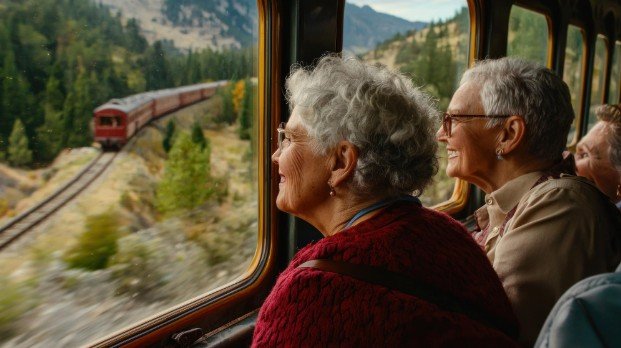
I have always felt that train travel gives me something air travel rarely does: time to settle in, look outside, and actually enjoy the trip. When I think about scenic train journeys perfect for seniors, I think about comfort, easier boarding, less rushing, and those long stretches of beautiful scenery that make the journey feel like part of the vacation.
That is why rail travel stands out for older adults who want something memorable without the stress of constant airport lines, tight connections, or long drives. The best trips combine smooth pacing, roomy seating, good service, and scenery that changes hour by hour. In America, that can mean mountain passes, desert views, forested valleys, coastal cliffs, and small towns that still feel unhurried.
Why does train travel work so well for seniors?
Train travel feels gentler from the very beginning. Stations are often easier to manage than major airports, and the overall pace is more relaxed. Instead of worrying about baggage rules, gate changes, and cramped boarding lines, travelers can settle into a seat and ease into the trip.
It also helps that rail journeys are naturally scenic and low-pressure. You can read, chat, nap, or simply watch the landscape pass by. That slower rhythm matters, especially for travelers who want the vacation to feel restful rather than exhausting.
Another big advantage is flexibility. Many routes offer different seating classes, overnight accommodations, and dining options. That makes it easier to choose a trip that fits both comfort needs and budget.
Which train routes in America are best for scenic senior travel?

The California Zephyr is one of the strongest choices for travelers who want dramatic scenery. Its route brings together mountain views, open plains, canyons, and beautiful western landscapes. The sightseeing feels constant, which makes it a great fit for travelers who want a true rail experience rather than simple transportation.
The Coast Starlight is another standout. This route is especially appealing for travelers who enjoy ocean views, rolling hills, and a laid-back atmosphere. It offers a softer, more leisurely feel, which is ideal for seniors who want scenery without feeling overbooked or rushed.
The Grand Canyon Railway is perfect for those who prefer a shorter and more focused experience. It blends nostalgia, comfort, and a destination that already appeals to multi-generational travelers. For seniors who want an iconic trip without committing to several days on board, this one makes a lot of sense.
The Adirondack route is also worth serious attention. It combines river views, forests, and mountain scenery in a way that feels calm and classic. During peak foliage season, it becomes especially attractive for older travelers who want a beautiful domestic rail trip without overly complex planning.
What should seniors look for when choosing a scenic train trip?
Comfort should come first. A beautiful route is important, but the full experience depends on seat space, ease of walking around, restrooms, food access, and how many hours the trip lasts. A route that looks amazing online may not feel ideal if it requires too many transfers or very long stretches without a break.
Trip length matters just as much. Some seniors enjoy overnight rail travel and private sleepers, while others prefer a one-day scenic ride with a hotel stay at the destination. Choosing the right pace makes the entire experience better.
Station access is another practical detail. It helps to check how easy it is to reach the departure station, whether luggage assistance is available, and how much walking is required, so seniors travel comfortably without overexertion. The easier those parts are, the more enjoyable the trip becomes.
How can seniors make a train journey more comfortable?

The smartest approach is to build a breathing room. Booking a slightly better class of service, choosing a seat with extra legroom, or adding an overnight stop can make a major difference. Comfort upgrades matter more on a rail trip than many travelers expect.
Packing light also improves the experience. One manageable suitcase and a small personal bag usually work better than carrying too much. A light sweater, medications, a refillable water bottle, snacks, reading glasses, and a neck pillow can turn a good trip into a very comfortable one.
It also helps to plan around energy levels. Morning departures often feel easier than late-night arrivals, and routes with simple boarding tend to reduce stress. Small planning choices usually have the biggest impact on how relaxed the trip feels.
How do I plan a senior-friendly rail vacation step by step?
Start by choosing the kind of scenery you want most. Some travelers love mountains and dramatic elevation changes, while others prefer coastlines, river valleys for resorting, or small-town landscapes. Once that part is clear, it becomes much easier to narrow down the best route.
Next, match the route to the right trip length. A shorter scenic ride may be better for travelers who want simplicity, while a longer overnight route works well for those who see the train itself as part of the vacation. It is also wise to think about how much activity will happen before and after the ride. A gentle itinerary usually feels better than trying to do too much at once.
After that, book seats early and review comfort options carefully. Look at seat classes, sleeper choices, meal access, baggage policies, and station details. Then map out hotel stays, local transportation, and rest time so the whole trip feels balanced from start to finish.
What mistakes should seniors avoid when booking train travel?

One common mistake is choosing a route only because it looks famous. A popular train may not be the best option if it is too long, too busy, or too complicated for the traveler’s pace. The best trip is usually the one that feels manageable and enjoyable.
Another mistake is underestimating the value of comfort upgrades. Saving a little on seating may not feel worth it on a longer journey. More space, quieter surroundings, and easier rest can completely change the experience.
It is also easy to overpack the schedule. Some travelers try to fit in too many stops, tours, or transfers. Rail travel works best when there is enough time to enjoy the ride itself instead of treating it like a race between destinations.
Are seasonal train trips a good option for seniors?
Yes, and seasonality can actually make the trip much better. Fall is excellent for forest routes and mountain scenery, especially in the Northeast and parts of the West. Spring offers greener landscapes and milder weather, while summer works well for high-elevation railways and long daylight hours.
Winter can also be appealing for seniors who enjoy quieter travel and dramatic snowy scenery. Some routes feel especially peaceful during colder months, and the train becomes a warm, comfortable place to enjoy the view.
The key is matching the season to personal comfort. Travelers who dislike heat may prefer spring or fall, while those who want fewer crowds may enjoy shoulder-season departures.
Frequently Asked Questions
1. Are train trips easier than flying for seniors?
In many cases, yes. Train travel usually involves less rushing, more seat space, and a calmer overall experience. That makes it appealing for older adults who value comfort and a slower pace.
2. What is the best scenic train ride for a first senior trip?
The best choice depends on trip length and comfort preferences, but shorter scenic routes or well-known domestic journeys with simple boarding are often the easiest starting point.
3. Should seniors book coach or sleeper accommodations?
For shorter daytime routes, coach or business-style seating may work well. For longer trips, sleeper options usually offer much better rest, privacy, and overall comfort.
4. Is rail travel a good choice for solo seniors?
Yes. Trains can feel safer, calmer, and more social than many other travel options. They also reduce the stress of driving long distances alone.
Final Thoughts
I think the real charm of rail travel is that it lets me enjoy the country at a human pace. Instead of hurrying from one checkpoint to the next, I get to sit back, breathe, and notice the details that make a trip memorable. That is exactly why scenic train journeys perfect for seniors continue to stand out as one of the smartest and most enjoyable ways to travel.
For older adults who want comfort, scenery, and a trip that feels rewarding from start to finish, rail vacations offer a strong mix of ease and beauty. With the right route, the right timing, and a little thoughtful planning, scenic train journeys perfect for seniors can become the kind of travel experience you look forward to long before departure.