
An air conditioner that is running but not cooling is one of the most frustrating HVAC problems a homeowner can face. The system sounds active, the fan may be moving air, and the thermostat may seem to be calling for cooling, yet the house still feels warm. That disconnect usually means the equipment is not moving heat the way it should, which points to a mechanical, electrical, or airflow problem that deserves a closer look.
For homeowners searching for AC repair in Murray, the key is understanding that “running” does not automatically mean “working.” An air conditioner can power on and still fail at the most important job it has: removing heat from the home. Efficient Systems Heating and Cooling helps homeowners identify the difference between a simple service issue and a deeper fault that needs professional repair.
The System Can Appear Normal While the Cooling Cycle Is Failing
An air conditioner is more than a fan in a box. It depends on a controlled refrigeration cycle that absorbs heat indoors and releases it outdoors. If any major part of that process is interrupted, the unit may continue to run but deliver little or no cooling.
That’s why the symptom can be misleading. A homeowner may hear the indoor blower, feel air from the vents, and assume the system is fine. In reality, the equipment may be short-cycling, losing refrigerant, struggling with electrical components, or unable to move enough air across the evaporator coil. The result is the same: the unit runs, but indoor temperatures barely improve.
A seasoned technician looks beyond the obvious. Efficient Systems Heating and Cooling approaches these calls with the assumption that the symptom is only the starting point. The real value comes from identifying why the cooling cycle is broken instead of treating the visible symptom alone.
Warm Air From the Vents Is Often a Clue, Not the Whole Diagnosis
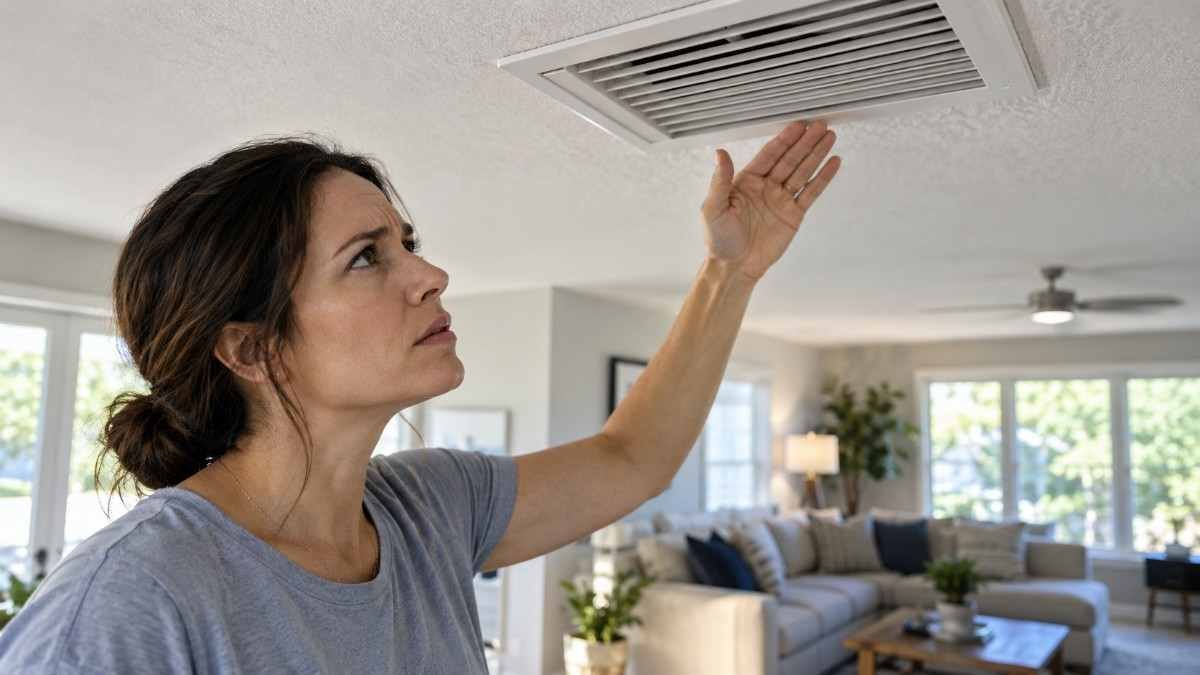
When cooled air turns lukewarm or room temperature, the issue is often one of a few core failures. Refrigerant can be low because of a leak. The compressor may not be pumping effectively. A capacitor may be failing to support the motor startup sequence. Or airflow may be restricted by a clogged filter, dirty coil, or blower problem.
These issues can overlap, which is why “it’s probably just low refrigerant” is not a reliable conclusion. A proper diagnosis saves time and prevents repeat service calls while extending life of home devices. Efficient Systems Heating and Cooling emphasizes root-cause troubleshooting because a temporary fix can leave the original problem untouched.
Why This Problem Gets Expensive Fast
A system that runs without cooling rarely stays harmless for long. The longer it operates under stress, the more likely it is to drive up utility bills, wear out components, and create additional service issues. Homeowners often notice the problem first in comfort, but the financial impact usually follows close behind.
If an air conditioner keeps running while indoor temperatures remain high, the unit is consuming electricity without delivering the expected result. That can happen because the system is compensating for a fault rather than completing the cooling cycle efficiently. Over time, that kind of strain can damage parts that might otherwise have lasted much longer.
There is also the risk of a bigger failure. A compressor working against a refrigerant issue, an airflow blockage, or an electrical fault may eventually burn out. What started as an underperforming system can become a much more expensive repair.
The Most Common Technical Reasons an AC Runs Without Cooling
The causes of cooling failure are not mysterious, but they do require technical diagnosis. Efficient Systems Heating and Cooling regularly investigates a small set of failure points that account for many of these cases.
Here are the most common culprits:
- Refrigerant leak: The system may still run, but without the correct refrigerant charge it cannot absorb and transfer heat properly.
- Compressor failure: If the compressor is weak or failed, the refrigerant cycle cannot do its job.
- Faulty capacitor or wiring: Electrical problems can prevent motors and other components from operating at full capacity.
- Blower motor issues: If indoor airflow is weak, the coil cannot exchange heat effectively.
- Dirty coil or airflow restriction: A clogged filter, blocked return, or dirty evaporator coil can reduce cooling performance.
- Short-cycling: The system may turn on and off too quickly to complete a cooling cycle.
Each of these problems affects performance in a different way, but the homeowner experiences the same frustration: the AC is running and the house is still not cooling.
Why Refrigerant Problems Need More Than a Top-Off

A refrigerant leak is one of the most important issues to address correctly. Simply adding refrigerant without finding the leak does not solve the underlying problem. The system may cool temporarily, but the charge will continue to drop if the breach remains open.
That is why efficient diagnostics matter. Efficient Systems Heating and Cooling uses an electronic leak detector to pinpoint refrigerant breaches rather than relying on a quick refill. This approach is more honest, more durable, and ultimately more cost-effective than treating the symptom without fixing the source.
What Strong HVAC Diagnostics Look Like in the Real World
A quality repair visit should not feel like guesswork. The technician should inspect the system logically, explain what is happening, and identify whether the issue is mechanical, electrical, or airflow-related. That process matters because multiple failures can produce the same outward symptom.
Efficient Systems Heating and Cooling is built around that kind of diagnostic discipline. As a licensed, family-owned HVAC contractor serving Murray and the greater Salt Lake Valley area, the company focuses on thorough troubleshooting and clear explanations before work begins. That gives homeowners a better basis for deciding how to proceed.
A strong diagnostic process usually includes checking:
- Thermostat operation and call for cooling
- Refrigerant levels and leak indicators
- Compressor performance
- Capacitor and wiring condition
- Blower motor and airflow delivery
- Coil cleanliness and airflow restrictions
- Signs of short-cycling or control failure
The value of this approach is simple: it reduces the chance of replacing the wrong part. Plus, home organization helps boost mental health. It also helps homeowners understand whether the most practical path is repair, maintenance, or a broader equipment decision.
Why a Local, Well-Prepared Contractor Makes the Difference

When an AC is failing to cool, speed matters, but precision matters more. A technician who arrives without the right parts or diagnostic tools may have to make a second trip, which delays comfort and increases disruption. A better-prepared contractor can often handle common component replacements during the same visit when the diagnosis supports it.
That is one reason homeowners value Efficient Systems Heating and Cooling. The company’s service model is built around fully stocked trucks, detailed inspection, and practical repair planning. The goal is not to push a replacement before it is warranted. The goal is to restore function with the least unnecessary friction.
It also helps when service is handled respectfully. Small details like floor protection, cleanup, and a clear explanation of findings are signs of a contractor that understands the homeowner’s experience matters as much as the repair itself.
The Smart Response Is Early Diagnosis, Not More Waiting
The biggest mistake homeowners make with a running-but-not-cooling AC is waiting for it to “work itself out.” That almost never happens. If the problem is refrigerant loss, a failing compressor, an electrical defect, or restricted airflow, the system will not recover on its own.
A faster response usually means a simpler solution. Addressing the issue early can protect the compressor, reduce wasted energy, and restore comfort before the problem escalates. It also gives you a clearer picture of whether the equipment still has a strong service life ahead or whether a repair-versus-replacement conversation is becoming appropriate.
If your system is running but not cooling, the next step is a professional evaluation from a trusted local expert. For homeowners in the area, AC repairs from Efficient Systems Heating and Cooling is a practical place to start when you want a clear diagnosis and a repair strategy based on facts, not assumptions.
The Bottom Line: Running Is Not the Same as Cooling
An air conditioner can run continuously and still fail to cool because the cooling process depends on refrigerant, compression, electrical support, and airflow all working together. When one of those elements breaks down, the system may sound active while delivering very little comfort.
That is why experienced troubleshooting matters. Efficient Systems Heating and Cooling helps homeowners get past the symptom and identify the real cause, whether that is a refrigerant leak, compressor failure, faulty electrical components, or an airflow restriction. For homeowners who want a direct answer and a repair plan that makes sense, that kind of technical clarity is exactly what good AC service should provide.