Thinking about sustainability is no longer just a choice for businesses; it’s a necessity. An environmental plan is a strategic document that outlines how a company will operate in a way that minimizes its negative impact on the environment. Creating one is a proactive step that moves beyond basic compliance and integrates responsible practices into the very core of business operations. This forward-thinking approach offers significant advantages, from boosting your brand reputation to uncovering new efficiencies.
What is an Environmental Plan?
At its heart, an environmental plan is a detailed roadmap. It identifies a company’s environmental footprint and establishes clear, measurable goals to reduce it. This isn’t just about recycling office paper. It involves a comprehensive look at everything from energy consumption and waste management to supply chain sourcing and water usage.
The plan sets specific objectives and outlines the actions needed to achieve them. For instance, a goal might be to reduce electricity use by 15% over two years. The corresponding actions could include upgrading to energy-efficient lighting, installing smart thermostats, and implementing an employee awareness program.
Key Components of a Strong Plan
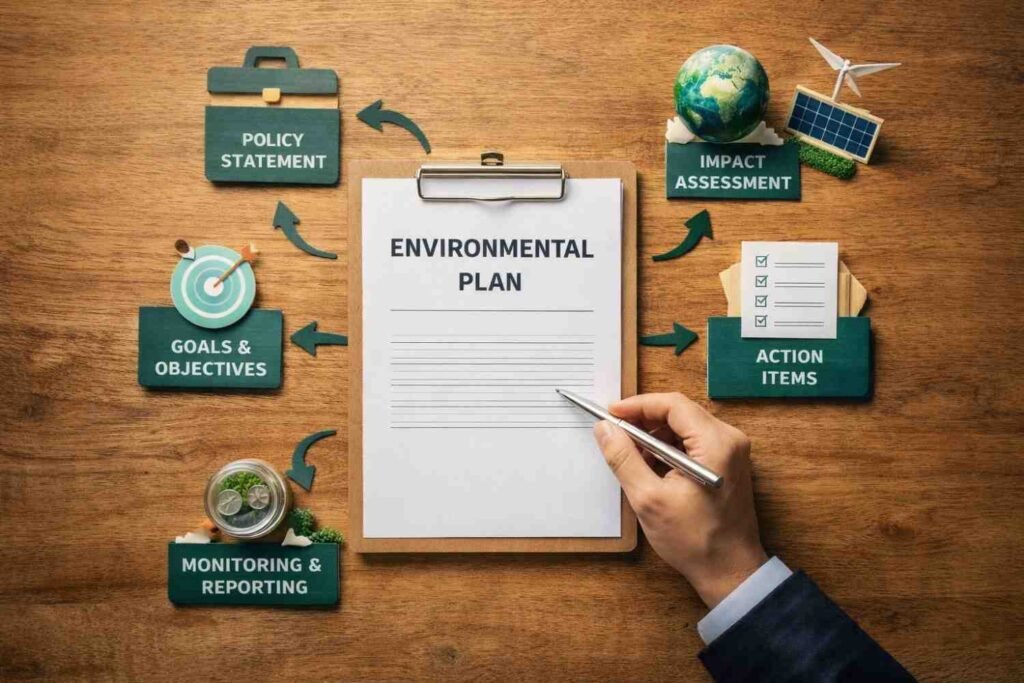
A robust environmental strategy typically includes:
- A Policy Statement: A public commitment to environmental responsibility.
- Impact Assessment: An analysis of the company’s current environmental effects.
- Goals and Objectives: Specific, measurable, achievable, relevant, and time-bound (SMART) targets.
- Action Items: Concrete steps to reach each goal.
- Monitoring and Reporting: A system for tracking progress and communicating results.
The Business Case for Going Green
Adopting an environmental plan is not just about corporate responsibility; it makes good business sense. The benefits are tangible and can affect nearly every aspect of an organization.
Enhancing Brand Reputation
Consumers and business partners are increasingly drawn to companies that demonstrate a genuine commitment to sustainability. A well-executed environmental plan can significantly improve public perception, building trust and loyalty. This positive reputation can become a powerful differentiator in a crowded marketplace, attracting customers who share similar values.
Achieving Cost Savings
Sustainability and profitability often go hand in hand. By focusing on resource efficiency, businesses can uncover substantial cost savings. Reducing energy and water consumption directly lowers utility bills. Optimizing waste management processes can decrease disposal fees and even create new revenue streams through the sale of recyclable materials. These operational efficiencies contribute directly to a healthier bottom line.
Attracting and Retaining Talent
The modern workforce, particularly younger generations, wants to work for companies that make a positive impact. A strong environmental commitment can make your business a more attractive place to work. It shows that the company has a long-term vision and cares about more than just profits. This can improve employee morale, boost retention rates, and help you attract top-tier talent.
Mitigating Risks and Ensuring Compliance
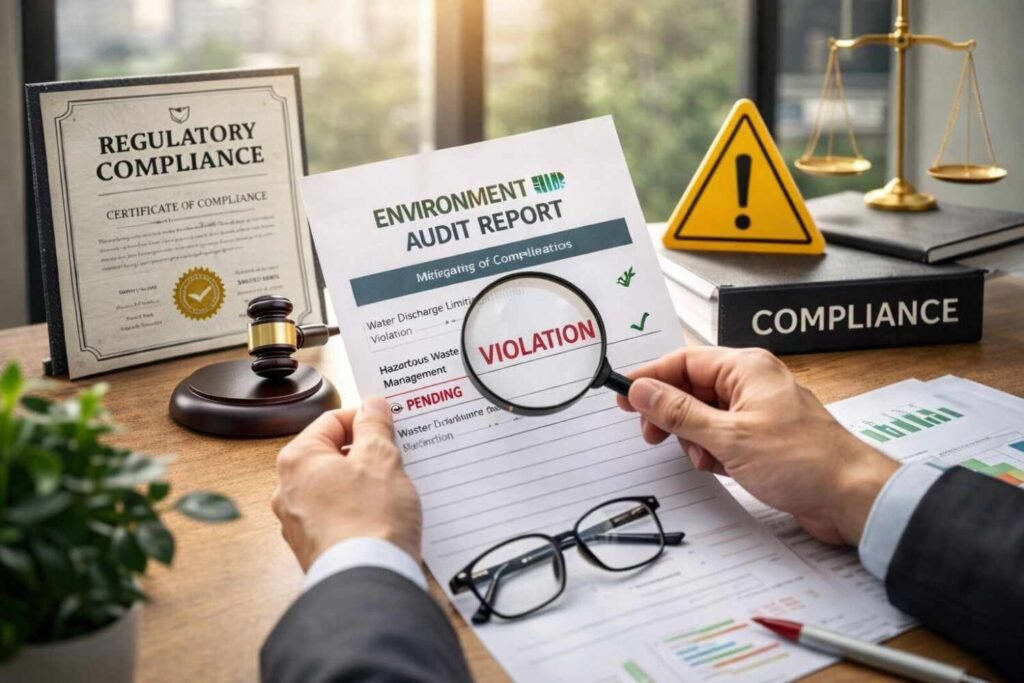
Environmental regulations are constantly evolving and becoming more stringent. A proactive environmental plan helps a company stay ahead of these changes, reducing the risk of fines and legal complications. It also prepares the business for potential resource scarcity or supply chain disruptions related to environmental factors. For complex site analysis and resource mapping, some organizations even utilize specialized GIS consulting services to better understand and manage their environmental impact.
How to Get Started
Creating an environmental plan may seem like a large undertaking, but it can be broken down into manageable steps.
1. Form a Team: Assemble a dedicated group of employees from various departments to lead the initiative.
2. Conduct an Audit: Assess your current operations to identify areas with the most significant environmental impact.
3. Set Clear Goals: Define what you want to achieve. Start with a few key objectives that will deliver visible results.
4. Develop an Action Plan: Outline the specific steps, timelines, and responsibilities for meeting your goals.
5. Communicate and Engage: Share the plan with all employees and stakeholders to get everyone on board.
6. Track and Report: Regularly monitor your progress and share your achievements both internally and externally.
By developing a thoughtful environmental plan, your business can build resilience, unlock new opportunities, and contribute to a more sustainable future for everyone.