Human error is an unavoidable reality in any medical or dental practice. A receptionist might transpose a digit in a phone number, a clinician might misread a handwritten note, or a billing coordinator might select the wrong insurance code. While these slip-ups often seem minor in isolation, they accumulate over time, leading to lost revenue, frustrated patients, and increased liability risks.
Trying to eliminate error by simply telling staff to “be more careful” rarely works. The brain fatigues, distractions happen, and details get missed. The most effective way to safeguard your practice is not through sheer willpower, but through robust systems. By automating repetitive tasks and digitizing manual workflows, you remove the variables that lead to mistakes.
Here are eight essential practice systems that significantly reduce manual errors and improve your operational efficiency.
1. Automated Appointment Scheduling
The front desk is often the busiest area of a practice, making it a hotspot for administrative errors. Manual scheduling relies heavily on the receptionist’s ability to multitask, which can lead to double-booked slots, incorrect appointment lengths, or forgotten confirmation calls.
Automated scheduling systems put guardrails on the calendar. They can be configured to only allow specific procedures at specific times, ensuring providers aren’t overbooked. Furthermore, automated reminders via text or email ensure patients confirm their times directly into the system, eliminating the risk of a staff member forgetting to log a confirmation.
2. Electronic Health Records (EHR)
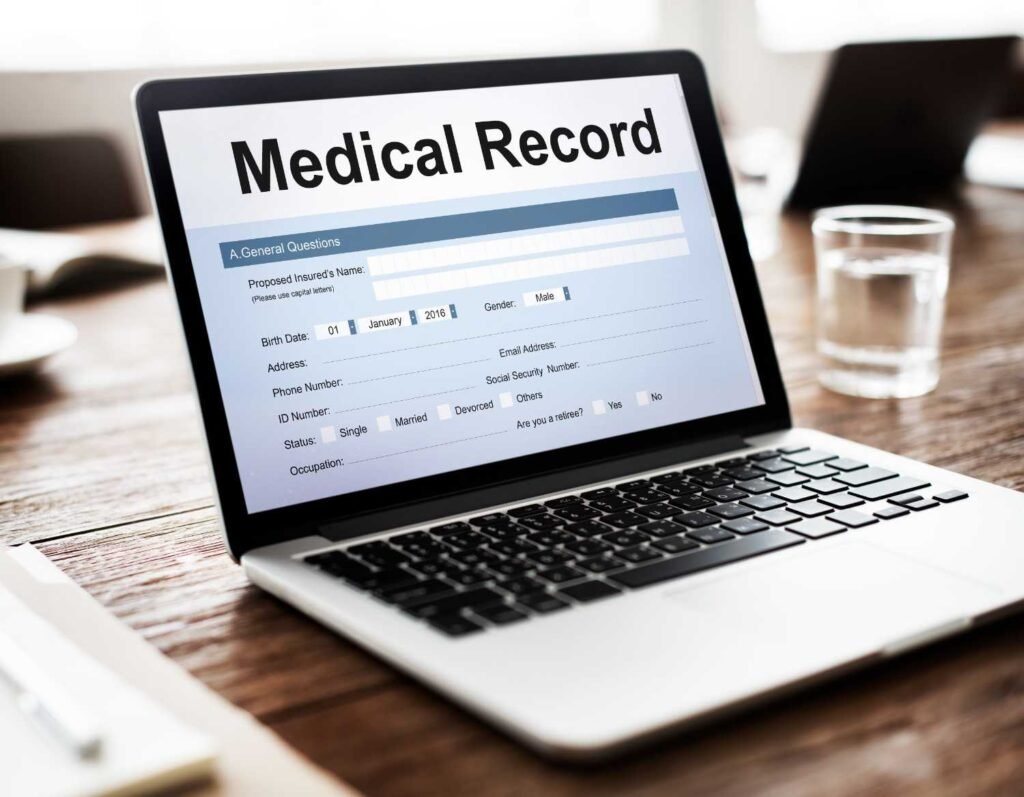
Paper charts are notorious for causing confusion. Handwriting can be illegible, pages can be misplaced, and critical health history updates can get buried in a thick file. Relying on physical documentation invites misinterpretation.
Transitioning to a cloud-based EHR system standardizes how data is entered and retrieved. Drop-down menus and required fields ensure that clinical notes are complete and legible every time. Additionally, digital records allow for instant cross-referencing of medical alerts, ensuring that a patient’s allergies or conditions are flashed on the screen before any treatment begins.
3. Automated Billing and Claims Processing
Billing errors are among the most costly mistakes a practice can make. A simple typo in a patient’s ID number or an outdated procedure code can result in a rejected claim, delaying payment for weeks or months. When handled manually, the claims process is slow and prone to oversight.
Modern practice management software includes scrubbing features that review claims for common errors before they are submitted to the clearinghouse. These systems automatically update with the latest insurance codes and verify patient eligibility in real-time, drastically reducing the rejection rate and ensuring the practice gets paid for the work performed.
4. Digital Clinical Treatment Planning
In orthodontic and dental specialty practices, the difference between a good result and a perfect result often comes down to millimeters. Traditional manual bracket placement or implant planning relies heavily on the clinician’s hand-eye coordination and visual estimation at the moment of the procedure.
Digital planning tools remove the guesswork. For orthodontists specifically, digital indirect bonding software allows the doctor to place brackets on a virtual model of the patient’s teeth with extreme precision. Once the ideal position is determined digitally, a transfer tray is 3D printed to replicate that exact positioning in the patient’s mouth. This technology minimizes the need for repositioning brackets later, reducing appointment times and improving clinical outcomes.
5. Inventory Management Software

Managing supplies with a clipboard and a spreadsheet is a recipe for disaster. It leads to two common errors: over-ordering, which ties up cash flow in expiring products, or under-ordering, which forces rescheduling of procedures because a critical material is out of stock.
Barcoding and digital inventory systems track usage in real-time. When a box of gloves or a composite kit is taken from the shelf, it is scanned out of the system. These platforms can set automatic reorder points, generating a purchase order when stock levels dip below a certain threshold. This ensures you always have what you need without relying on a staff member to visually check the supply closet.
6. Centralized Patient Communication
Phone tag is an inefficient way to communicate. When staff members rely on sticky notes to remind themselves to call a patient back, messages inevitably get lost. Furthermore, verbal post-op instructions given to a groggy patient are often forgotten by the time they reach the parking lot.
Centralized communication platforms aggregate texts, emails, and internal notes into a single dashboard. This creates a permanent, searchable record of all interactions. You can automate pre-procedure instructions and post-op check-ins, ensuring every patient receives the exact same high-quality information without relying on staff memory.
7. Digital Sterilization Logs
Compliance is not an area where you want to gamble with manual errors. In many practices, sterilization logs are kept in paper binders where staff manually record cycle times, temperatures, and test results. These logs are easy to falsify, damage, or lose.
Digital sterilization logging automates this compliance tracking. Connected autoclaves and ultrasonic cleaners can record cycle data directly to a server. If a cycle fails, the system alerts the staff immediately, preventing non-sterile instruments from reaching the operatory. This creates an unalterable audit trail that protects both the patient and the practice license.
8. Prescription Management (e-Prescribing)

Handwritten prescriptions have been a source of medical error for decades. Illegible writing can lead pharmacists to dispense the wrong medication or dosage. Additionally, manual prescribing relies on the doctor remembering potential drug interactions.
e-Prescribing systems integrate directly with the patient’s health record. They automatically check for interactions with current medications and alert the provider to patient allergies. The prescription is sent directly to the pharmacy, removing the patient as the courier and ensuring the pharmacist receives clear, typed instructions.
Systematize Your Success
Errors will always occur where humans are involved, but the goal of a high-performing practice is to make those errors difficult to commit. By leveraging tools like digital indirect bonding software, automated billing, and EHRs, you build a safety net around your operations. These systems do more than just save time; they protect your revenue, your reputation, and most importantly, your patients. Take an audit of your current manual workflows this week and identify which one is ready for a digital upgrade.