Dementia tracking devices can feel like a lifeline when someone you love wanders or becomes disoriented. And wandering is more common than many expect—6 in 10 people with dementia will wander at least once, and many do so repeatedly. The critical window to locate someone safely is short, making fast location updates and alerts essential. Dementia tracking devices, which use GPS and cellular technology to monitor real-time location, are one of the most effective tools caregivers now rely on.
If you’re caring for someone with Alzheimer’s or another dementia, understanding how these devices work—and which features matter—can give you the clarity and confidence you need to keep them safe while still supporting independence.
What Are Dementia Tracking Devices and How Do They Work?
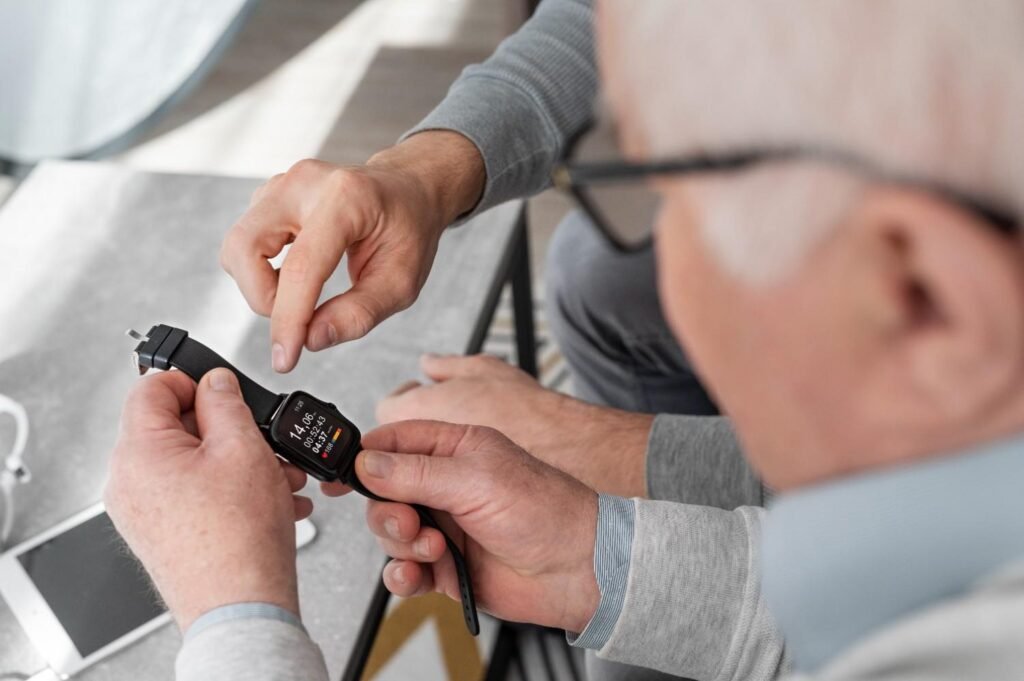
Dementia tracking devices are small wearables—often watches, pendants, or tags—that send constant or periodic location updates to a caregiver’s phone. Using GPS satellites and cellular networks, these devices can track movement with surprising precision, sometimes pinging location every 10 seconds.
Most also allow you to create geofenced safety zones, sending alerts if the person steps outside familiar areas like home or a care facility. This quick notification can drastically reduce search time and increase safety.
What Types of Dementia Tracking Devices Are Available?
1. Wearable Watches and Smartwatch-Style Trackers
Watches are popular because they blend in with daily life. These devices typically include:
- GPS + cellular tracking
- SOS button
- Two-way communication
- Fall detection
- Location history reports
Brands like TheoraCare offer smartwatch-style designs that feel familiar and comfortable.
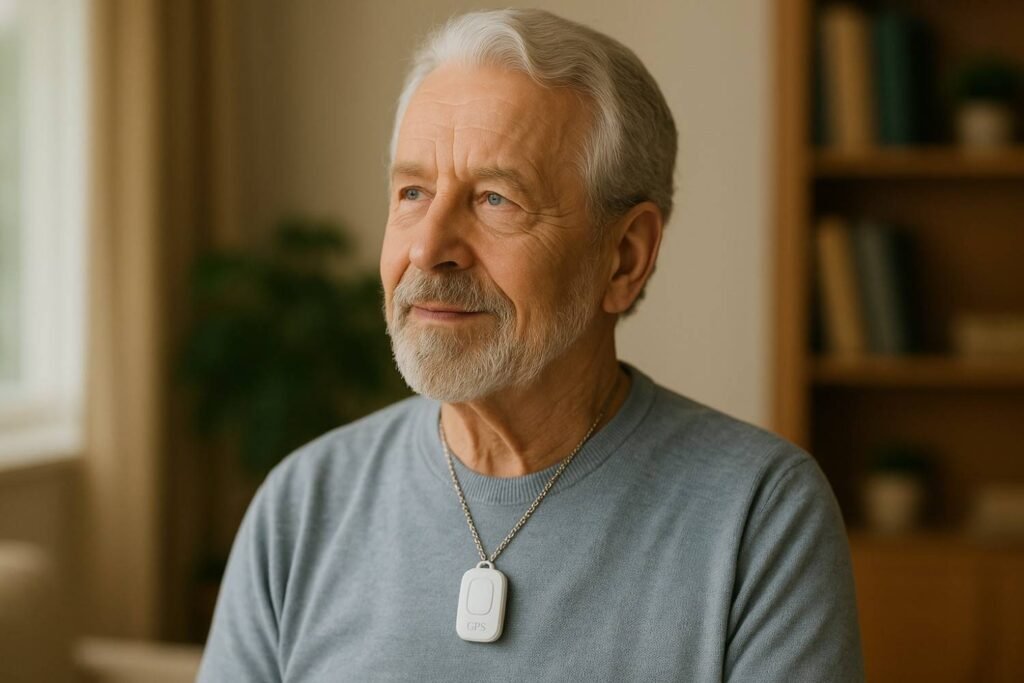
2. GPS Pendants and Necklaces
Lightweight pendants offer features like:
- Real-time GPS
- Built-in speakerphone
- Auto-answer for caregivers
- Emergency SOS
These are great for individuals who don’t like wearing wrist devices.
3. Tags, Fobs, and Clip-On Devices
Small fobs attach discreetly to clothing or belts. They’re comfortable, subtle, and harder to remove—making them a smart choice for people who may resist wearables.
Must-Have Features in Dementia Tracking Devices
Real-Time GPS Tracking
High-quality devices update every few seconds. This helps caregivers see where their loved one is at any moment and respond quickly if confusion or wandering begins.
Geofencing (Safety Zones)
Set virtual boundaries for home, backyard, or neighborhood. Alerts arrive instantly through text, email, or app notifications when the person exits a safe zone.
SOS / Help Button
A one-press emergency feature that notifies caregivers or monitoring teams immediately.
Two-Way Communication with Auto-Answer
Many devices let you talk directly to the wearer—even if they don’t know how to answer a call. Auto-answer ensures communication can happen without the user pressing anything.
Location History
This log shows:
- Places visited
- Routes taken
- Wandering patterns
It’s helpful for both daily monitoring and spotting behavioral changes.
Fall Detection
Some advanced models include sensors that detect sudden falls and send automatic alerts.
Long Battery Life
Battery life ranges widely:
- 24–48 hours for many GPS wearables
- A week or more for select models
- Up to one month for long-battery devices like Otiom, which only activates GPS when the user leaves a safe zone
Longer battery life reduces risks from forgotten charging.
Popular Dementia Tracking Device Options
AngelSense Personal GPS Tracker
Known for:
- Highly accurate indoor/outdoor tracking
- Auto-answer speakerphone
- Multiple secure wearing methods
- Continuous real-time updates
It requires a monthly cellular subscription.
Otiom
Designed in Denmark with autonomy and simplicity in mind:
- Up to one month of battery life
- Waterproof, lightweight tag
- Only activates GPS when out of a safe zone
Ideal when you need powerful tracking with very low maintenance.
GPS Pendants & Smartwatches (e.g., TheoraCare)
These blend into everyday wear and include:
- SOS button
- Two-way audio
- Location history
- Instant alerts through geofencing
They’re great for people comfortable with jewelry or watches.
Comparison Table: Best Dementia Tracking Devices (Side-by-Side)
This table helps readers quickly compare features—an SEO-boosting element that improves user engagement and snippet visibility.
| Feature / Device | AngelSense GPS Tracker | Otiom | TheoraCare Pendant/Watch |
| Tracking Type | GPS + Cellular + Wi-Fi | Safe-zone-triggered GPS | GPS + Cellular |
| Update Frequency | Every 10 seconds | Activates when leaving safe zone | Regular interval updates |
| Geofencing | Yes | Yes | Yes |
| SOS Button | Yes | No | Yes |
| Two-Way Communication | Yes (auto-answer) | No | Yes |
| Fall Detection | Yes (model-dependent) | No | Available in some models |
| Battery Life | 24–48 hours | Up to 1 month | 1–5 days depending on use |
| Wearing Options | Clips, sleeves, belt, no-remove fasteners | Tag for clothing | Pendant or wristwatch |
| Subscription Needed | Yes | No | Yes |
| Best For | High-alert users needing constant monitoring | Low-maintenance tracking | Everyday wearable with communication |
Frequently Asked Questions
1. Are dementia tracking devices reliable?
Yes—most use GPS, cellular towers, and sometimes Wi-Fi triangulation. GPS is strongest outdoors, but hybrid tracking improves indoor accuracy as well.
2. Do these devices need a subscription?
Most do. Subscriptions fund cellular data, real-time tracking, and caregiver alerts. Prices vary between providers.
3. Can the user remove the device?
Some devices include secure attachments, locking clasps, or tamper-resistant sleeves to make removal difficult. Others are discreet enough that the wearer forgets they’re there.
4. Will a tracker work indoors or in care facilities?
Accuracy indoors can vary, but advanced devices combine GPS with Wi-Fi and cellular signals to keep tracking consistent.
A Better Way to Support Safety, Independence, and Peace of Mind
The most valuable part of choosing a dementia tracking device isn’t just the technology—it’s the freedom it gives both you and your loved one. These devices help reduce emergency response times, improve safety, and support a more independent daily routine. More importantly, they allow caregivers to shift from constant worry to more meaningful, present caregiving.
If you’re navigating wandering risks or growing safety concerns, the right dementia tracking device becomes more than a gadget—it becomes a tool that strengthens connection, confidence, and dignity. The goal isn’t to restrict freedom, but to make freedom safer.