Let’s be real — who hasn’t had a backache that feels like it’s making you an old person before your time? I’ve been there, sitting hunched over my desk for hours, feeling the tension creep up my spine like an annoying reminder of my poor posture. But guess what? Yoga saved me.
Not only did it provide the stretch my body craved, but it also worked wonders for strengthening the muscles that support my back. If you’re looking for ways to relieve that aching back of yours, you’re in the right place. These best yoga poses for back pain will help get you back on track, feeling relaxed and pain-free in no time.
What Are the Best Yoga Poses for Back Pain?
Yoga is an excellent tool for relieving back pain by improving spinal flexibility, strengthening the muscles that support the spine, and releasing tension. Different yoga poses target different parts of your back, so whether you’re dealing with lower back pain, upper back tension, or a tight neck, there’s something here for you.
- Cat-Cow Stretch (Marjaryasana-Bitilasana)
This dynamic movement warms up the spine and releases tension in the neck and back, preparing the body for deeper stretches. - Child’s Pose (Balasana)
A restorative and soothing pose, Child’s Pose decompresses the spine and stretches the hips and lower back. - Downward-Facing Dog (Adho Mukha Svanasana)
This iconic pose stretches the hamstrings and calves, which are often culprits in lower back pain. - Bridge Pose (Setu Bandha Sarvangasana)
Strengthens the lower back, glutes, and core while promoting spinal alignment and mobility. - Sphinx Pose
A gentle backbend that strengthens the spine, making it ideal for people with disc issues or chronic back discomfort.
How Do the Best Yoga Poses for Back Pain Work?
If you’re ready to get started, let’s break down how to perform these poses step-by-step to ensure you’re doing them correctly for the maximum benefit.
1. Cat-Cow Stretch (Marjaryasana-Bitilasana)
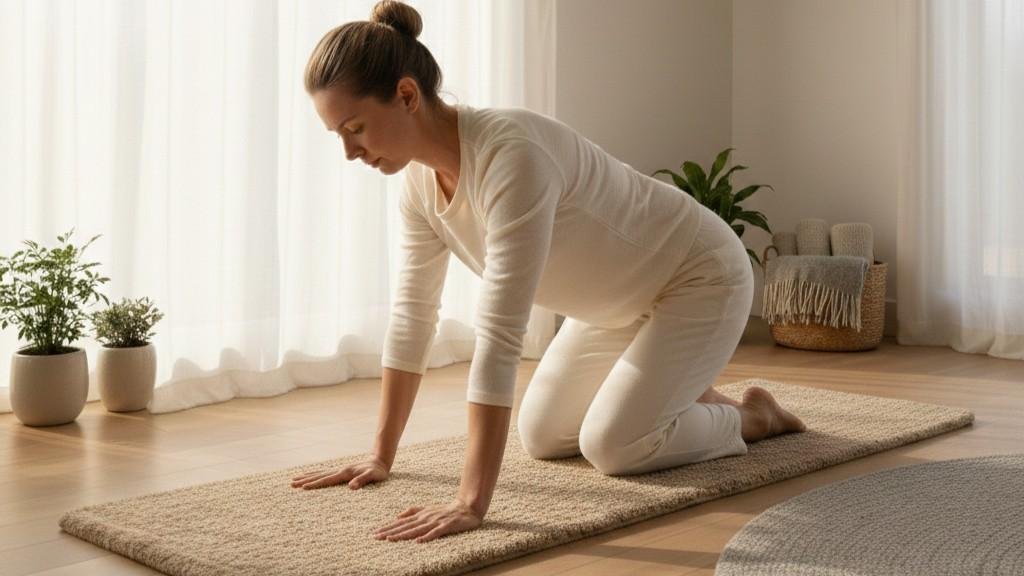
To start, come onto your hands and knees in a tabletop position, with your wrists under your shoulders and your knees directly below your hips.
- For Cow Pose: Inhale and drop your belly toward the floor while lifting your tailbone and chest towards the ceiling. This creates a natural arch in your back.
- For Cat Pose: Exhale as you round your spine upward toward the ceiling, tucking your chin and tailbone.
- Repeat this flow for 1-2 minutes, coordinating your breath with each movement. This dynamic motion helps loosen up the spine and relieves tension in your back and neck.
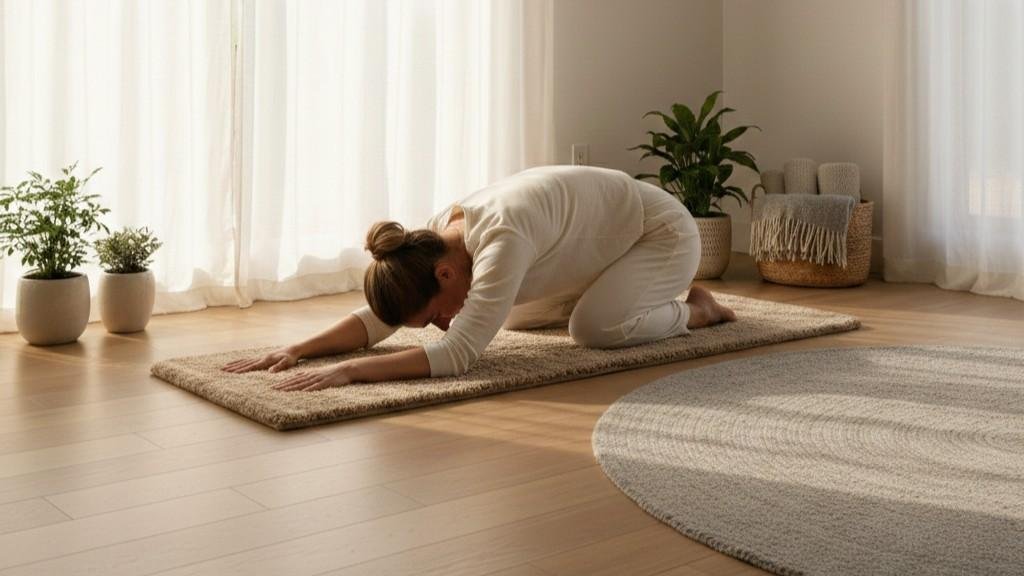
2. Child’s Pose (Balasana)
Kneel on the floor with your big toes touching and knees spread wide apart. Sit your hips back toward your heels and fold forward, extending your arms in front of you.
- Rest your forehead on the floor (or use a prop like a pillow to support your head) and relax your whole body into the stretch.
- Hold for 1-3 minutes. This calming pose helps lengthen and decompress the spine, relieving tightness in the lower back and hips.
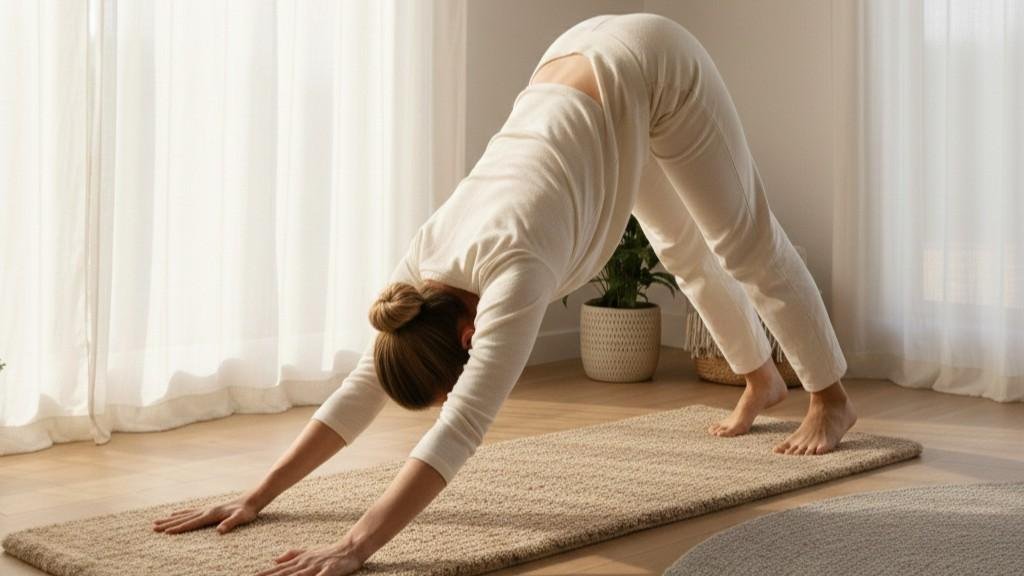
3. Downward-Facing Dog (Adho Mukha Svanasana)
Begin on all fours and then lift your hips toward the ceiling, creating an inverted “V” shape with your body. Keep your hands pressed firmly into the floor, with your fingers spread wide.
- Straighten your legs as much as possible while maintaining a slight bend in the knees, and try to lengthen your tailbone towards the ceiling.
- Hold for 30 seconds to 1 minute, breathing deeply. This full-body stretch will not only release tension from your lower back but also stretch your hamstrings, calves, and shoulders.
4. Sphinx Pose
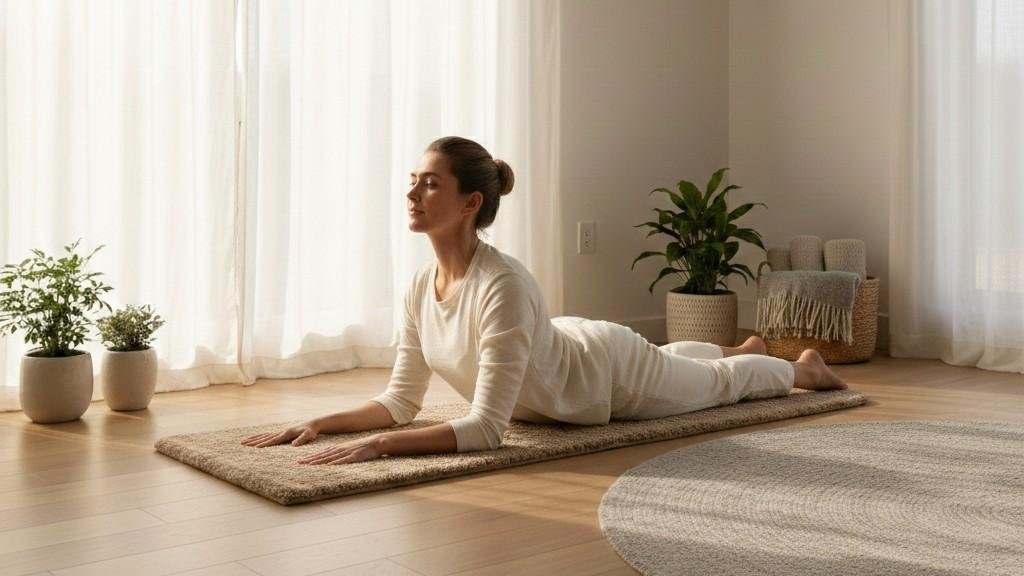
Start by lying on your stomach with your elbows directly under your shoulders and forearms resting on the floor.
- Press your forearms into the mat as you gently lift your chest and head upward, creating a slight arch in your lower back.
- Hold for 1 minute. This passive backbend strengthens your spine while relieving discomfort from tight lower back muscles. It also encourages proper posture by opening up the chest and shoulders.
5. Bridge Pose (Setu Bandha Sarvangasana)
Lie on your back with your knees bent and feet flat on the floor, hip-width apart.
- Press through your feet to lift your hips off the ground, creating a straight line from your knees to your shoulders. Squeeze your glutes and engage your core to support your spine.
- Hold for 20-30 seconds, then slowly lower your hips back to the floor. Repeat 3-5 times. This pose strengthens your lower back, glutes, and core, all of which are important for relieving and preventing back pain.
Frequently Asked Questions
1. How often should I practice yoga for back pain relief?
Practicing yoga 3-4 times a week is ideal, but if your back pain is severe, you might want to start with shorter sessions or even daily practice. Consistency is key when it comes to building strength and flexibility in your back muscles. Start slowly and gradually increase the duration as your body adapts.
2. Can yoga make back pain worse?
Yoga is generally safe for back pain, but if you push yourself too hard or practice incorrectly, it could lead to more discomfort. Always listen to your body and avoid pushing through any sharp pain. If you have specific conditions like herniated discs or sciatica, consider working with a certified yoga instructor who can guide you through modifications.
3. What is the best yoga pose for lower back pain?
For lower back pain, the Child’s Pose and Bridge Pose are particularly effective. These poses help stretch and strengthen the lower back, providing immediate relief from tightness and tension. Child’s Pose decompresses the spine, while Bridge Pose strengthens the muscles that support the lower back.
4. Do I need a yoga mat to practice these poses?
While you don’t need a mat, having one can significantly improve your comfort and prevent slipping. A yoga mat provides cushioning for your knees and wrists, especially during poses like Cat-Cow and Sphinx. If you’re practicing on a hard surface, a mat is highly recommended.
Take Care of Your Back, and It’ll Take Care of You
Back pain doesn’t have to rule your life, and you don’t need to rely on medication or surgery to feel better. Yoga offers a natural, holistic way to stretch, strengthen, and care for your spine. The best yoga poses for back pain help you build a stronger, more flexible back, while also reducing tension and stress.
The key is consistency, so commit to incorporating these poses into your routine, listen to your body, and before you know it, you’ll be feeling relief and moving with ease again.