Entering your forties represents a powerful and mature phase of life, often accompanied by career stability, self-confidence, and a clearer sense of personal identity. However, this decade also marks the beginning of significant, unavoidable biological shifts. Behind the scenes, the intricate endocrine network that has quietly governed your growth, sleep patterns, and daily metabolic rate for decades begins to transition into a new operational baseline.
Many individuals assume that the emerging signs of midlife vitality loss, such as erratic sleep quality, fluctuating weight, and a foggy memory, are just normal elements of aging that must be accepted. This passive mindset is a disservice to your long-term health.
The choices you make regarding your biochemical health during your forties dictate your physical and cognitive longevity for the next thirty years. By implementing targeted lifestyle strategies and working with specialized clinical resources, you can smoothly regulate your hormonal shifts, preserving your vibrant energy and optimizing your health span.
Managing the Progesterone Decline and Cellular Sleep Quality
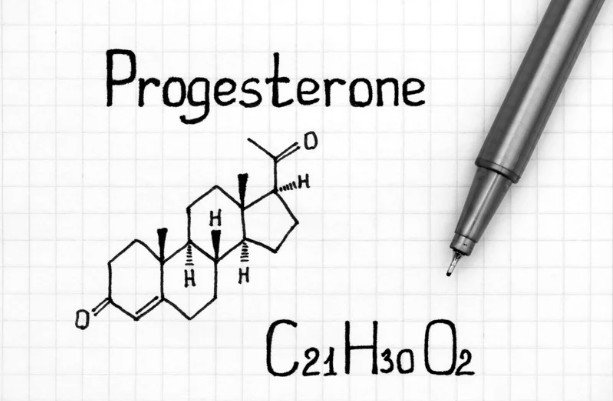
One of the earliest endocrine shifts in midlife occurs long before the actual onset of menopause. During your early to mid-forties, the ovaries gradually reduce their production of progesterone.
The Impact of Estrogen Dominance
Progesterone acts as a natural soothing agent in the central nervous system, helping to balance the stimulating effects of estrogen. As progesterone drops, the ratio between these two dominant reproductive chemicals shifts, often resulting in a state known as estrogen dominance. This internal mismatch can trigger unprovoked evening anxiety, sudden mood fluctuations, and a stubborn accumulation of fluid retention.
Prioritizing Sleep Hygiene for Cellular Repair
Because progesterone binds directly to calming receptors in the brain, its decline frequently manifests as severe, disruptive insomnia. Deep, uninterrupted sleep is non-negotiable for longevity, as your brain clears out metabolic waste and manufactures vital growth hormones during deep sleep cycles.
Protect your sleep quality by eliminating caffeine consumption after noon, keeping your bedroom completely dark, and maintaining a cool room temperature to mitigate corporate or physiological night sweats.
Stabilizing Your Metabolic Framework and Insulin Sensitivity
As your reproductive chemicals alter, your body’s ability to process carbohydrates efficiently can also undergo a noticeable decline. Maintaining lean muscle mass and metabolic rate becomes a top priority after forty.
Countering Age-Related Insulin Resistance
This change increases the systemic risk of developing insulin resistance, a state where body cells ignore signals to pull glucose from the bloodstream. When insulin remains constantly elevated, the body locks down its fat reserves, making fat loss exceptionally difficult while triggering a state of chronic, daily afternoon exhaustion.
The Role of Strength Training and Lean Protein
To protect your insulin sensitivity and maintain your baseline metabolic function, you must adapt your exercise and nutritional habits. Move away from exhausting, long-distance cardio sessions, which lift chronic stress chemicals like cortisol, and pivot toward consistent weight resistance training.
Building lean skeletal muscle tissue increases the number of available insulin receptors on your body, allowing you to burn glucose efficiently even while at rest. Combine this physical training with a clean diet prioritizing high-quality whole proteins, unrefined fats, and mineral-dense leafy greens to stabilize daily blood sugar patterns.
Supporting Adrenal Health and Stress Management Pathways

Your adrenal glands serve as a critical secondary manufacturing center for reproductive building blocks as ovarian function slows down. If your adrenals are chronically exhausted from unmanaged daily life stressors, your entire hormonal baseline suffers.
Reducing the Total Glycemic and Inflammatory Load
When you experience chronic psychological stress, your adrenal glands prioritize producing the survival chemical cortisol over everything else. Elevated cortisol actively depletes your remaining progesterone reserves, suppresses your active thyroid output, and damages your digestive lining.
Managing this total stress load involves removing systemic inflammatory inputs. Reduce your consumption of ultra-processed industrial seed oils, refined flours, and alcohol, as these substances irritate the gut lining and force the adrenals to release extra cortisol to fight internal inflammation.
Exploring Personalized Holistic Medical Support
Because every individual possesses a unique genetic structure, environmental background, and biochemical blueprint, a generic approach to midlife wellness is rarely effective. When lifestyle adjustments are insufficient to resolve severe, life-altering symptoms like extreme fatigue or cognitive fog, seeking out a holistic medical partner is the safest path forward.
Comprehensive testing allows clinicians to analyze your baseline salivary cortisol curves, full thyroid panels, and exact reproductive levels with immense precision. For individuals looking for an encompassing, root-cause blueprint for healthy aging, partnering with a clinic that specializes in women’s integrative medicine in Minnesota offers access to tailored combinations of evidence-based nutrition coaching, targeted botanical adaptogens, and bioidentical replacement therapies. This comprehensive medical model ensures that your physical systems are thoroughly supported, helping you feel energized and balanced from the inside out.
By recognizing your changing biological requirements and proactively adjusting your diet, exercise habits, and clinical support networks, you can master your midlife transition, ensuring that your later decades are defined by exceptional vitality, mental clarity, and true structural longevity.