
Thermal management is the backbone of modern engineering. From the HVAC units keeping our office buildings comfortable to the complex cooling networks in electric vehicles and the massive industrial boilers powering manufacturing plants, the way we manage heat defines our operational success. In an era where energy costs are rising and environmental regulations are tightening, maximizing the efficiency of these systems is no longer just a nice-to-have—it’s a critical business imperative.
Inefficient thermal systems are silent profit killers. They leak energy, require more frequent maintenance, and often have shorter lifespans due to thermal stress. Conversely, a well-optimized system runs smoother, costs less to operate, and significantly reduces a facility’s carbon footprint. Whether you are an engineer, a facility manager, or an operations lead, understanding the levers you can pull to improve thermal performance is essential. Here are seven strategies to help you achieve a more efficient thermal system.
1. Upgrade Insulation and Refractories
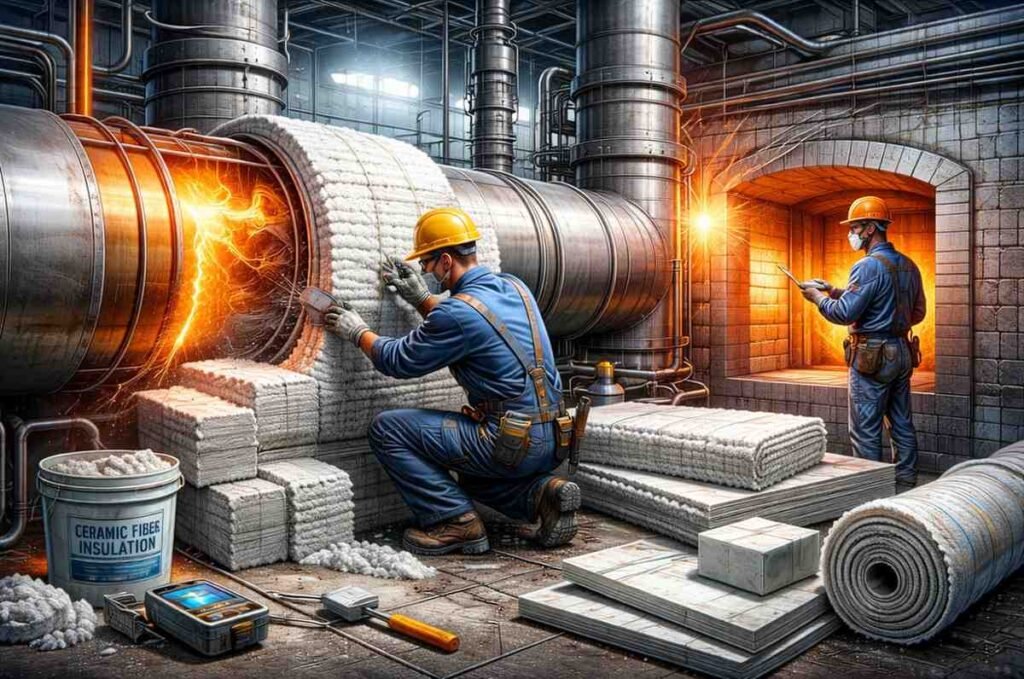
The first line of defense against thermal inefficiency is preventing unwanted heat transfer. In many industrial settings, heat loss through pipework, valves, and furnace walls accounts for a staggering percentage of wasted energy. Upgrading insulation is often the most cost-effective measure with the quickest return on investment.
For high-temperature applications, inspecting and repairing refractory linings is crucial. Over time, refractories degrade, leading to hot spots on the casing and increased energy consumption. Modern insulating materials, such as aerogels or advanced ceramic fibers, offer superior thermal resistance with a thinner profile, allowing for better heat containment without requiring massive structural changes.
2. Implement Waste Heat Recovery
One of the fundamental laws of thermodynamics tells us that energy is never destroyed, only transferred. In many systems, a significant amount of heat is expelled into the atmosphere as exhaust. Waste Heat Recovery (WHR) systems capture this thermal energy and repurpose it.
Techniques range from simple economizers on boilers to complex regenerative burners in metal processing. For instance, the hot exhaust gas from a furnace can be used to preheat the combustion air coming in. This means the system needs less fuel to bring the air up to the operating temperature. By closing the loop, facilities can see efficiency jumps of 20% or more, turning waste directly into value.
3. Optimize Manufacturing and Joining Processes
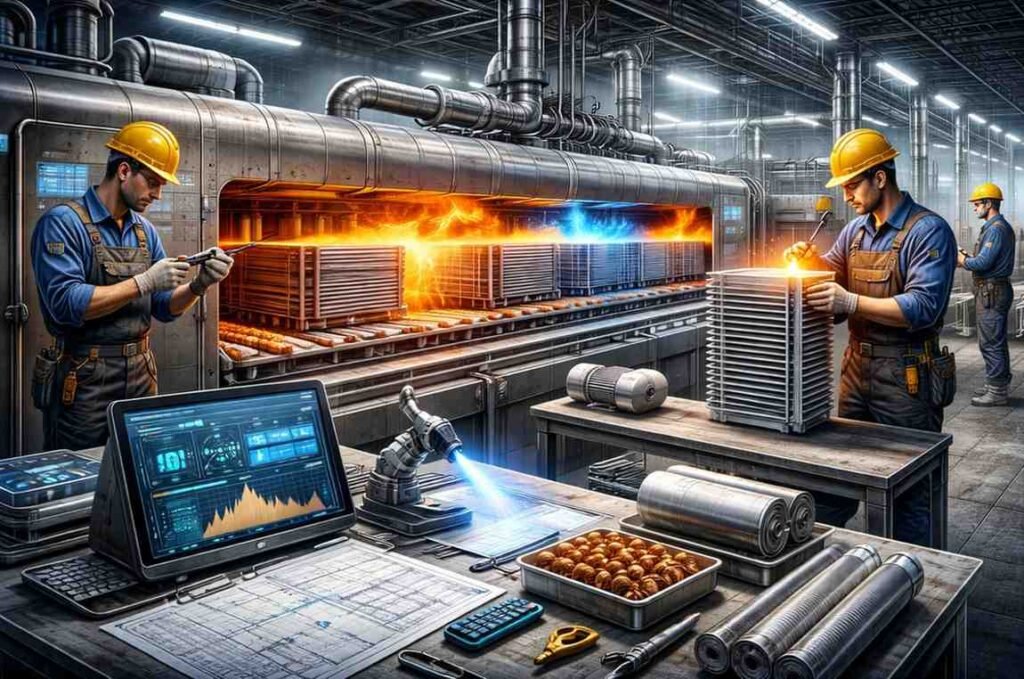
Efficiency often starts at the component level. How heat exchangers, radiators, and structural components are assembled impacts their thermal conductivity and durability. The method of joining materials plays a pivotal role here. Traditional welding can sometimes introduce inconsistencies or stress points that impede heat flow.
For high-volume production of thermal components, utilizing a continuous furnace ensures a uniform thermal environment during the joining process. This method allows for precise temperature control across the entire belt, resulting in consistent, high-strength joints that facilitate better thermal transfer. When components are brazed in such a controlled atmosphere, they exhibit superior integrity and cleaner surfaces, which directly translates to better overall system performance.
4. Integrate Smart Control Systems
Gone are the days of manual dials and simple on/off switches. The integration of the Internet of Things (IoT) and smart sensors has revolutionized thermal management. Intelligent control systems can monitor temperature, pressure, and flow rates in real-time, making micro-adjustments that a human operator might miss.
These systems use algorithms to predict load requirements. For example, a smart HVAC system can learn the occupancy patterns of a building and adjust the cooling load before people arrive, rather than reacting after the temperature has already risen. This proactive approach eliminates the energy spikes associated with “catching up” and ensures the system runs at its optimal efficiency curve for longer periods.
5. Prioritize Heat Exchanger Maintenance
In systems involving fluids, heat exchangers are the workhorses. However, they are prone to fouling—the accumulation of sludge, scale, or biological growth on the heat transfer surfaces. Even a thin layer of scale acts as an insulator, drastically reducing the rate of heat transfer and forcing pumps to work harder to overcome the increased pressure drop.
A rigorous maintenance schedule is non-negotiable. Regular cleaning cycles, water treatment protocols to prevent scaling, and monitoring pressure differentials across the exchanger can keep the heat transfer coefficient high. Keeping these surfaces clean ensures that the energy input is actually doing the work of heating or cooling, rather than fighting against resistance.
6. Utilize Advanced Heat Transfer Fluids
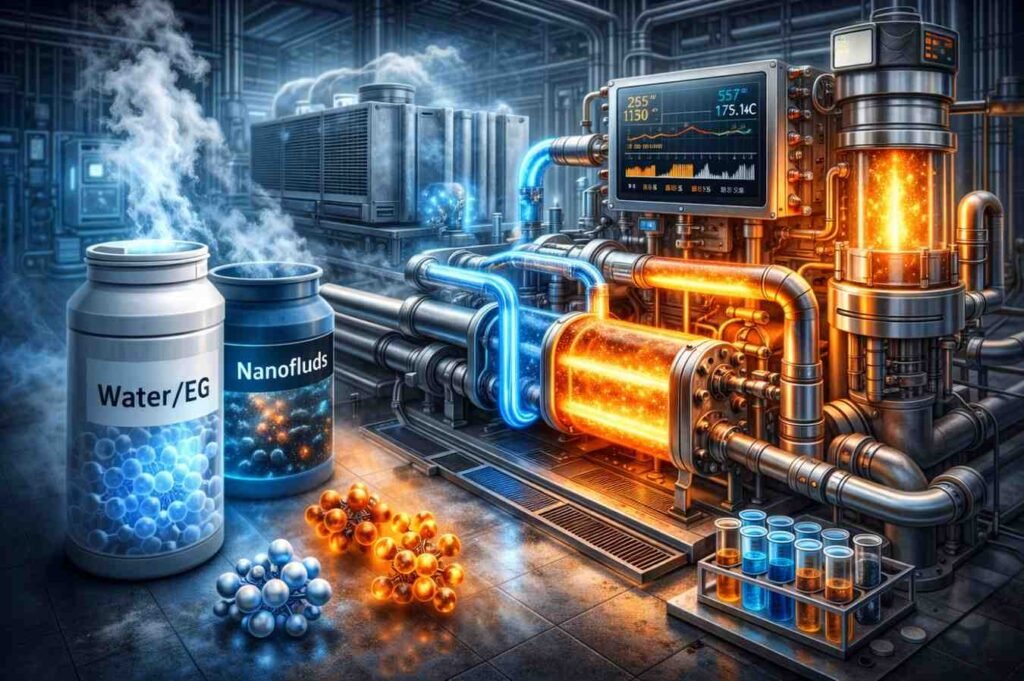
Water is the most common heat transfer fluid due to its high specific heat capacity and low cost, but it isn’t always the most efficient choice for every application, particularly at temperature extremes. Innovations in chemical engineering have produced advanced nanofluids—fluids containing suspended nanoparticles—that exhibit significantly higher thermal conductivity than base fluids.
Furthermore, using the correct glycol concentration in cooling systems is vital. Too much glycol increases viscosity and requires more pumping energy, while too little risks freezing. Analyzing and optimizing the fluid properties for your specific operating temperature range ensures the medium carrying the energy is doing so with minimal resistance and maximum capacity.
7. Minimize Thermal Hysteresis with Pinch Analysis
System design is the ultimate determinant of efficiency. Pinch analysis is a methodology used to minimize energy consumption in chemical processes by calculating thermodynamically feasible energy targets. It looks at the heating and cooling streams within a process and attempts to match them.
By identifying the “pinch point”—the most constrained part of the system where the temperature difference between hot and cold streams is minimal—engineers can design a network that maximizes heat recovery between process streams. This reduces the demand for external utilities (like steam or cooling water) and ensures that the system is designed efficiently from a thermodynamic perspective.
Achieving thermal efficiency is rarely about a single silver bullet; it is about the aggregation of marginal gains. By insulating properly, recovering waste heat, employing consistent manufacturing processes like continuous furnace brazing, and leveraging smart technologies, organizations can build systems that are robust and economical. As we move toward a more environmentally conscious business landscape, the importance of these strategies will only grow, making thermal optimization a key skill for the modern industry.