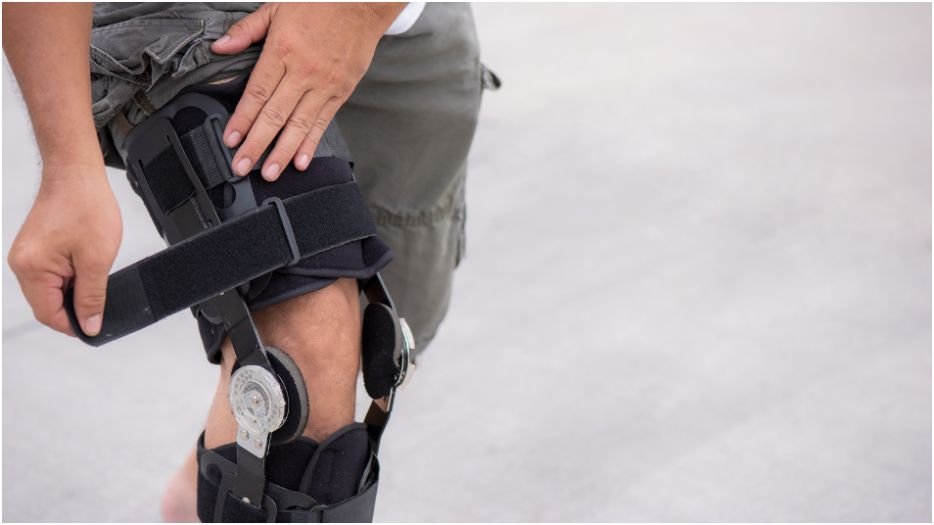
An anterior cruciate ligament (ACL) injury is a common and often severe knee problem, especially among athletes and active individuals. Managing such injuries effectively requires appropriate support to minimise further damage and enable proper healing.
An ACL knee brace is an essential tool in this regard, offering stability and protection to the compromised ligament. Selecting the right brace, however, demands careful consideration of several factors to ensure optimal knee support and comfort.
Understanding the Role of an ACL Knee Brace
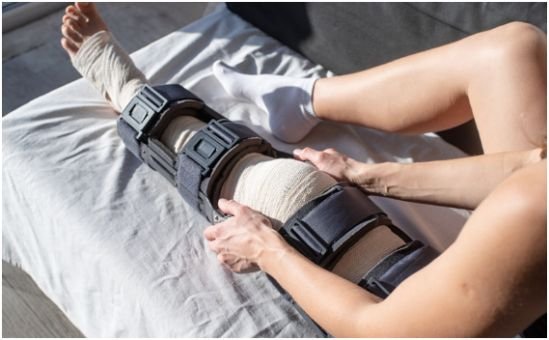
The ACL is one of the key ligaments stabilising the knee joint. When injured, it can cause instability, pain, and diminished mobility. An ACL knee brace helps by limiting excessive movements that stress the ligament, providing external support during recovery or physical activities. This external support reduces the risk of re-injury and enhances confidence in movement.
There are several types of ACL braces available, varying mainly in their design and primary function. Understanding the distinctions among these types is crucial for selecting a brace that aligns with the user’s specific injury severity and lifestyle demands.
Functional vs Preventive ACL Knee Braces
Functional braces are generally prescribed after an ACL injury has occurred or following surgical reconstruction. They are designed to provide stability by compensating for the ligament’s compromised function. Preventive braces, on the other hand, are used by individuals at high risk of ACL injuries to help reduce the likelihood of initial ligament damage. They primarily enhance proprioception and restrict excessive knee motions that may cause injury.
Key Considerations for Choosing an ACL Knee Brace
Assessment of Injury Severity
The degree of ligament damage significantly influences the type of brace needed. Minor sprains may require only a lightweight support brace, whereas complete tears or post-surgical recovery often necessitate more robust and stabilising options. Consultation with a healthcare professional is advised to accurately assess the injury and gain recommendations on appropriate bracing solutions.
Material and Comfort
Comfort is vital, as the brace is often worn for extended periods during rehabilitation or activity. Materials that are breathable, lightweight, and hypoallergenic help reduce irritation and improve compliance. Moreover, adjustable straps and padding can significantly enhance comfort and ensure a better fit, which in turn improves the brace’s effectiveness.
Design and Support Mechanism
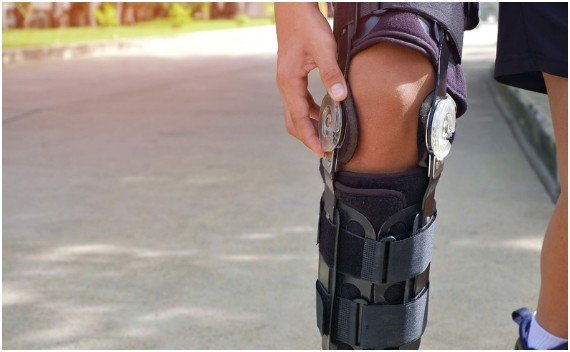
Effective ACL braces typically incorporate rigid supports, such as hinges or reinforced frames, to limit unwanted knee motions. Hinged braces offer controlled movement through a restricted range, which helps protect the ligament from rotational and hyperextension forces. Some designs also allow for customisation in terms of rigidity and flexibility based on the wearer’s needs.
Size and Fit
A proper fit is essential to ensure the brace provides the necessary support without causing discomfort or movement restriction. Incorrect sizing may render the brace ineffective or even contribute to further injury. It is important to measure the knee circumference and consult sizing guides provided by manufacturers before purchasing a brace.
Benefits of Using an ACL Brace Knee
Implementing an Acl brace knee within rehabilitation protocols offers multiple benefits. These include enhanced joint stability, reduced pain, and prevention of abnormal knee kinematics. Additionally, braces can aid in regaining confidence to resume daily activities and sports after injury or surgery.
Wearing a suitable brace may also allow some patients to avoid lengthy periods of immobilisation, facilitating earlier initiation of physical therapy and functional movement. This can contribute to better long-term outcomes and a quicker return to normal activity levels.
Protection During Physical Activity
An ACL knee brace is particularly useful for protecting the knee during high-risk activities such as football, skiing, or basketball. It helps control twisting, pivoting, and sudden directional changes that typically place stress on the ACL. Coaches and athletes often recommend wearing such braces prophylactically after prior injury or even as a preventive measure in vulnerable individuals. In such cases, and for older adults also fall detection devices can help and reduce the risk of re-injury.
Evaluating Different Types of ACL Knee Braces
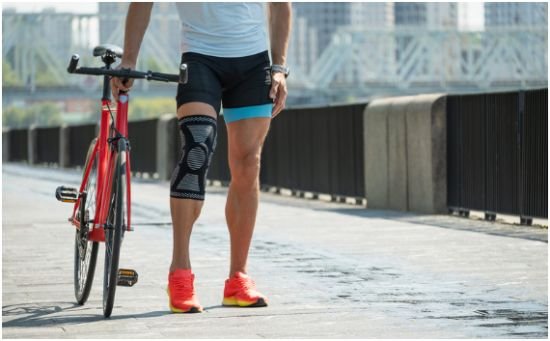
When considering options, the following types of ACL braces should be examined:
- Soft braces: These are made of elastic or neoprene materials and provide compression and mild support.
- Wraparound braces: Provide moderate support and are adjustable for a customised fit.
- Hinged braces: Offer the highest level of stability by incorporating metal or plastic hinges that restrict lateral movement.
While soft and wraparound braces may suit minor injuries or preventive purposes, hinged braces are generally preferred post-ACL reconstruction or in cases of significant instability.
Quality and Durability
Choosing a brace from reputable brands ensures higher quality, durability, and reliability. High-quality materials and construction methods also enhance comfort and longevity, reducing the need for frequent replacements.
Implementing a Brace into a Rehabilitation Programme
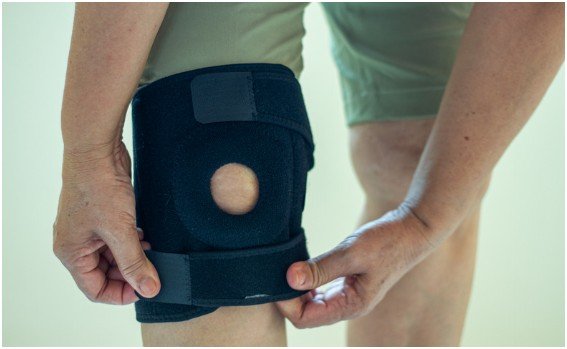
It is essential to integrate the use of an ACL knee brace within a comprehensive rehabilitation programme designed by healthcare providers. Bracing works best in conjunction with physical therapy, strength training, and gradual return to activity. Relying solely on a brace without proper rehabilitation may lead to suboptimal recovery.
Rehabilitation protocols might also advise on specific durations and situations in which to wear the brace—such as during weight-bearing activities or sports—to maximise protection while minimising complications such as muscle weakness due to over-reliance.
Consultation with Healthcare Professionals
Before purchasing an ACL knee brace, consulting an orthopaedic specialist, physiotherapist, or sports medicine expert is advised. They can help identify the most appropriate brace and ensure it is fitted correctly. Professional guidance mitigates the risk of improper use and helps tailor the choice of brace to the individual’s injury, lifestyle, and recovery goals using old age balance exercises for older adults.
Conclusion
Choosing the best ACL brace for knee support involves a nuanced assessment of injury severity, activity level, and personal comfort requirements. An Acl brace knee can greatly aid in stabilising the knee, preventing further injury, and facilitating effective rehabilitation.
Overall, an informed decision supported by professional advice optimises outcomes for individuals recovering from ACL injuries or seeking preventive knee support. Correct usage combined with appropriate rehabilitation protocols ensures that the knee receives both protection and the opportunity to regain strength and function.