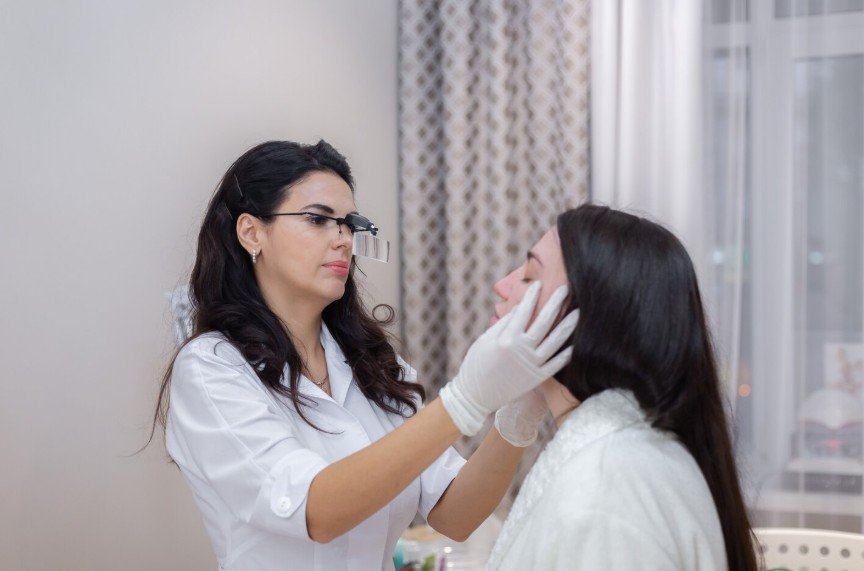
Choosing the right type of care for skin concerns or aesthetic goals can be confusing, especially when dermatology, cosmetic clinics, and plastic surgery often seem to overlap.
Each plays a distinct role in health, appearance, and medical treatment, but their scope, training, and procedures differ significantly. Understanding these differences helps individuals make informed decisions about safety, results, and expectations.
With clearer knowledge, it becomes easier to select the right professional for specific skin or surgical needs.
Understanding Dermatology And Medical Skin Health Care

Dermatology is a branch of medicine focused on diagnosing and treating conditions related to the skin, hair, and nails.
Dermatologists are medical doctors trained to manage both common and complex skin issues, ranging from acne and eczema to skin infections and chronic diseases. Their primary goal is to restore and maintain skin health rather than focus purely on appearance.
For individuals looking to improve their skincare routine alongside professional treatment, How to Use Snail Mucin for Better Skin offers practical guidance on incorporating one of today’s most popular skincare ingredients.
A key aspect of dermatology is its medical foundation. Treatments often involve prescription medications, topical therapies, or minimally invasive procedures designed to address underlying health conditions.
Dermatologists also play a critical role in the early detection of serious issues such as skin cancer, making their expertise essential for preventive care.
Beyond disease treatment, dermatologists may also perform minor cosmetic procedures such as chemical peels or laser treatments. However, these are typically secondary to their medical responsibilities.
Patients usually visit dermatologists when they experience symptoms, discomfort, or visible changes in skin health that require clinical evaluation and treatment.
The Role Of Cosmetic Clinics In Aesthetic Enhancement

Cosmetic clinics primarily focus on improving appearance through non-surgical or minimally invasive treatments. Unlike dermatology, which centers on medical conditions, cosmetic services are generally elective and aim to enhance facial or body aesthetics.
These clinics often cater to individuals seeking improvements in skin texture, tone, or overall youthful appearance.
Common treatments in cosmetic clinics include injectables, skin rejuvenation therapies, body contouring, and non-invasive facial enhancements.
These procedures are typically performed without the need for surgery, making them popular among individuals looking for quicker recovery times and less intensive interventions.
While cosmetic clinics can deliver noticeable aesthetic improvements, they are not designed to treat underlying medical skin conditions. Instead, their focus is on surface-level enhancement and maintenance of appearance.
As such, individuals with medical concerns are usually referred to dermatologists before pursuing cosmetic treatments.
It is important to understand that outcomes from cosmetic procedures depend heavily on practitioner skill and patient expectations. Proper consultation and realistic goal setting are essential for achieving satisfying results in this field.
Plastic Surgery And Advanced Surgical Aesthetic Procedures

Plastic surgery involves surgical techniques to reconstruct or enhance physical appearance and function. Unlike dermatology or cosmetic clinics, plastic surgery is more invasive and often requires significant recovery time.
It is performed by highly trained surgeons who specialize in both reconstructive and aesthetic procedures.
reconstructive plastic surgery focuses on repairing defects caused by injury, congenital conditions, or medical treatments.
This includes restoring function and appearance in areas affected by trauma or disease. Aesthetic plastic surgery, on the other hand, focuses on enhancing appearance through procedures such as facial reshaping, body contouring, and tissue modification.
Individuals exploring body contouring options can also learn more about regain confidence with contour enhancements before discussing suitable procedures with a qualified specialist.
Because plastic surgery involves surgical intervention, it carries higher risks and requires thorough pre-operative evaluation. Patients must consider factors such as healing time, potential complications, and long-term results. This makes consultation and surgeon expertise especially important in achieving safe and effective outcomes.
In many cases, individuals seeking surgical enhancement research extensively before choosing a provider, sometimes looking for the best plastic surgeon in Peoria, AZ, to ensure high standards of care and expertise. This highlights the importance of experience, certification, and patient trust in surgical decisions.
Comparing Goals, Training, And Treatment Approaches
Although dermatology, cosmetic clinics, and plastic surgery may appear similar in purpose, their training and goals differ significantly.
Dermatologists undergo extensive medical education focused on diagnosing and treating skin diseases, while cosmetic practitioners specialize in aesthetic procedures that enhance appearance without major surgery.
Plastic surgeons, in contrast, receive advanced surgical training to perform complex reconstructive and cosmetic operations.
The goals of each field also vary. Dermatology prioritizes health and disease management, cosmetic clinics focus on visual enhancement, and plastic surgery combines both functional restoration and aesthetic transformation.
These differences influence the types of treatments offered, recovery expectations, and overall patient experience.
Treatment approaches also vary in intensity. Dermatology typically uses medical therapies and minor procedures, cosmetic clinics rely on non-invasive techniques, and plastic surgery involves operative procedures requiring anesthesia and recovery time.
Understanding these distinctions helps patients align their expectations with the appropriate type of care.
Each field plays an important role in the broader healthcare and aesthetics landscape, and they often complement one another.
For example, a patient may see a dermatologist for a skin condition, visit a cosmetic clinic for appearance improvement, and consult a plastic surgeon for structural correction when necessary.
Choosing The Right Path For Skin And Aesthetic Goals
Selecting the appropriate care provider depends on individual needs, goals, and medical conditions.
Those focused on achieving a naturally radiant complexion may also find How to Get Glass Skin helpful when building a daily skincare routine alongside professional treatments.
For persistent skin issues, dermatology is typically the first step, as medical evaluation is essential for accurate diagnosis and treatment.
For individuals seeking non-invasive aesthetic improvements, cosmetic clinics may offer suitable options with minimal downtime.
When more significant structural changes or reconstructive needs are involved, plastic surgery becomes the appropriate choice.
Understanding the level of intervention required helps ensure safer and more effective outcomes. It is important to avoid choosing treatments based solely on trends or assumptions without professional consultation.
Consultation plays a critical role in decision-making. A qualified specialist can assess skin condition, discuss goals, and recommend the most suitable approach. This ensures that patients receive care tailored to their needs rather than a one-size-fits-all solution.
Ultimately, informed decision-making leads to better satisfaction and safety. By understanding the differences between these three fields, individuals can confidently choose the right path for their skin health and aesthetic goals.
Conclusion
Dermatology, cosmetic clinics, and plastic surgery each serve distinct yet complementary roles in skin health and aesthetic care.
Dermatology focuses on medical diagnosis and treatment, cosmetic clinics enhance appearance through non-invasive procedures, and plastic surgery provides advanced surgical solutions for reconstruction and transformation.
Understanding these differences allows individuals to make informed choices based on safety, needs, and expectations. With the right guidance and professional support, achieving both healthy skin and desired aesthetic outcomes becomes more accessible and effective.