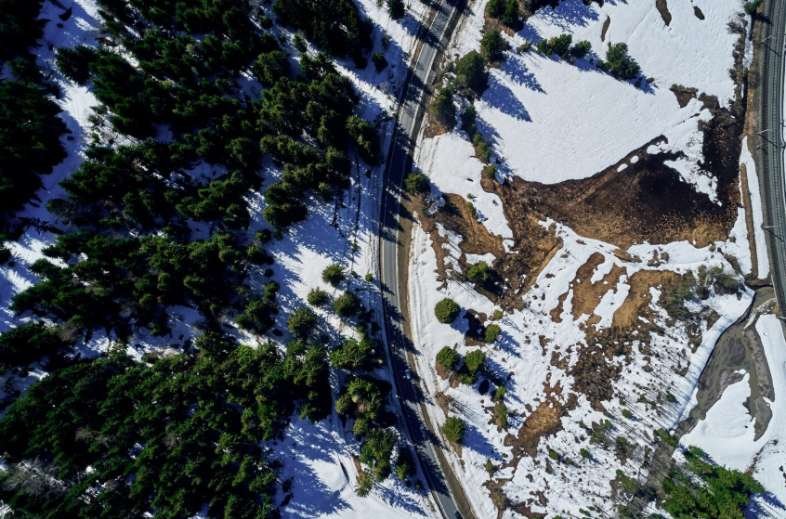
Utah rewards good landscape design and punishes shortcuts. That is the central truth behind effective Utah landscaping. A yard that looks polished in May can fail by January if it was not planned for freeze-thaw cycles, high-altitude planting, soil limitations, summer drought, and shoulder-season swings that change the ground underneath it.
That is why four-season planning is not a luxury in Utah. It is the difference between a landscape that holds its shape, protects its investment value, and stays useful year-round, versus one that becomes a maintenance problem every spring.
Cottonwood Landscaping approaches this reality with the kind of regional judgment that only comes from long experience in the Wasatch Front, where climate is not a backdrop but a design constraint.
Utah’s Climate Demands Design That Thinks Beyond Summer
Many landscape plans are built around the warmest six weeks of the year. In Utah, that is not enough. Summer heat can be intense, but the real test comes from the full cycle: cold snaps, thawing soil, dry winds, UV exposure, and variable precipitation.
If the design ignores those shifts, the result is often cracking hardscape, stressed plants, drainage problems, and irrigation systems that waste water or fail when needed most.
Strong Utah landscaping starts with the assumption that every material, plant, and grade change will be tested by seasonal movement. Soil expands and contracts.
Water drains differently after snowmelt than it does in July. Pavers and stone need room to move without shifting out of alignment. Plant selection has to respect both drought conditions and winter exposure. These are not cosmetic details. They are the structural logic of the whole project.
Why Spring And Fall Matter As Much As Summer
In Utah, spring reveals where the winter worked against the landscape. It is when poor drainage shows up, retaining walls begin to lean, and planting beds expose weak soil preparation.
Fall, meanwhile, is the planning window that determines whether a yard enters winter hydrated, trimmed, and protected enough to survive the cold.
That is why Cottonwood Landscaping treats seasonal transition as a design issue, not just a maintenance issue. A strong plan accounts for runoff, soil health, plant establishment, and irrigation adjustment long before the first hard freeze arrives.
The Strongest Landscapes Are Built From The Ground Up
A durable outdoor space is not created by choosing attractive materials alone. It starts beneath the surface. Excavation, grading, drainage, and soil correction determine whether a yard will support itself over time. In Utah’s semi-arid conditions, this foundation matters even more because water is both scarce and destructive when it moves incorrectly.
The best projects are engineered to do several things at once:
- Move water away from structures without creating erosion.
- Support root systems in poor or compacted soil.
- Resist settlement in areas exposed to freeze-thaw cycles.
- Preserve usable outdoor space across wet and dry seasons.
- Reduce long-term maintenance by correcting problems before planting begins.
Cottonwood Landscaping’s full-service model is especially valuable here because the company can manage excavation, drainage, structural work, and planting as one coordinated plan. That matters in Utah, where a beautiful finish can still fail if the base is wrong.
Hardscape Choices Need Thermal Discipline
Pavers, flagstone, walls, fire features, and steps all expand and contract with temperature swings. In Utah, that movement is not theoretical. Materials that are not selected and installed with thermal expansion in mind can crack, heave, or separate over time.
Homeowners comparing stone options should also understand the real value of better landscape materials, since material density, durability, drainage performance, and resistance to Utah’s temperature swings can directly affect the lifespan of patios, walkways, retaining walls, and other outdoor features.
This is one reason experienced builders distinguish between decorative installation and climate-resilient construction. Proper base preparation, drainage, and material selection create a hardscape that stays aligned through repeated seasonal stress. Cottonwood Landscaping’s craftsmanship is built around that kind of precision, which is essential for long-term performance rather than short-term appearance.
Planting Strategy Should Match Water, Exposure, and Altitude
A common mistake in Utah yards is assuming all drought-tolerant plants are interchangeable. They are not. Microclimates vary by slope, wind exposure, sun intensity, elevation, and soil drainage. A plant that performs well in one part of a property may struggle in another. Good softscaping respects these differences instead of flattening them into a generic design.
Utah landscaping works best when planting choices are made for resilience first and ornament second. That does not mean sacrificing beauty. It means choosing plants that can thrive in the local reality rather than fight it. Xeriscaping, when done well, supports this approach by reducing unnecessary water demand while still creating texture, color, and seasonal interest.
A practical planting plan usually balances:
- Drought-tolerant species suited to regional conditions.
- Grouping by water need so irrigation is efficient.
- Placement that respects sun exposure and wind.
- Soil preparation that improves root establishment.
- Space for mature size, not just first-year appearance.
Cottonwood Landscaping uses this kind of climate-aware thinking to create softscapes that are visually refined and easier to sustain. That is a smarter long-term investment than forcing high-maintenance planting into an environment that naturally resists it.
Irrigation And Drainage Must Be Designed Together
Water management in Utah is too important to treat as a separate line item. Irrigation and drainage are connected systems. If the yard receives water inefficiently, plants suffer. If the site does not drain correctly, water pools, soil erodes, and hardscapes deteriorate.
In a state where conservation matters, the goal is not just to water less. The goal is to water better.
Modern systems should account for plant zones, soil absorption, slope, and seasonal use. Secondary water systems and efficient irrigation design can support healthier landscapes without creating unnecessary waste.
But even the best irrigation strategy cannot compensate for poor grading or ignored runoff. The system has to work as a whole.
For homeowners planning a remodel or new build, this is one of the most strategic decisions they can make. A landscape that is beautifully planted but poorly drained becomes expensive to maintain.
A landscape that handles water intelligently becomes more durable, more comfortable, and more adaptable through the seasons.
How Seasonal Maintenance Protects The Original Investment
The most sophisticated landscape plans still need regular attention. That is not a weakness in the design; it is part of responsible ownership. In Utah, seasonal maintenance helps protect plant health, irrigation calibration, and hardscape integrity. It also keeps the property aligned with changing weather conditions instead of letting minor issues compound.
Good maintenance should focus on:
- Adjusting irrigation for seasonal demand.
- Inspecting for settlement, shifting, or erosion.
- Refreshing soil and mulch where needed.
- Monitoring plant stress after heat or cold events.
- Preparing the landscape for winter dormancy and spring recovery.
Cottonwood Landscaping’s consult, design, refine, build, and maintain process reflects this reality well. A premium outdoor space is not finished when the last plant goes in. It stays healthy because the original plan anticipated what the landscape would need in February, June, and October.
What Homeowners In The Wasatch Front Should Expect From A Serious Landscape Partner
A serious landscape partner does not sell a vision that ignores Utah’s environment. It translates that environment into a smarter design. That is the difference between a yard that looks impressive on day one and one that still feels intentional after years of weather, use, and seasonal pressure.
Homeowners in Salt Lake, Utah, and Summit Counties should expect three things from any premium design-build team. First, they should expect regional knowledge that reflects real climate and soil conditions. Second, they should expect transparency around scope, timing, and budget. Third, they should expect materials and methods chosen for durability, not just visual appeal.
Cottonwood Landscaping fits that standard because its work is grounded in decades of local experience and a full-service process that keeps the project coherent from excavation to final planting.
The Real Measure Of Success Is Year-Round Usability
The best landscapes in Utah do more than survive. They remain useful. They still frame the home well in winter. They still drain properly after snowmelt. They still provide shade, gathering space, structure, and visual order during summer. They still feel deliberate when the season changes.
Homeowners who want to transform their outdoor space should begin by identifying how the yard will be used throughout the year, then align planting, hardscaping, lighting, shade, and gathering areas with Utah’s changing seasonal conditions.
That is the deeper logic of Utah landscaping: design for the climate you actually have, not the one you wish you had. When planning is done well, the result is not simply a nicer yard. It is a better-performing property that holds its value and reduces avoidable problems over time.
For that reason, four-season planning should be the starting point, not the upgrade. Cottonwood Landscaping understands that distinction, and it shows in the way durable outdoor environments are conceived, built, and maintained across Utah’s challenging seasons.